
24/7 Customer Support

Free returns

Same-day & Next-day Delivery

Quality Guaranteed

Unlock Your Welcome Offers: FREE Delivery | Up to 80% OFF | Free 30-day JoyPlus trial
Download the APP
Navigating the world of K-beauty can feel overwhelming. With promises of "glass skin" and a dizzying array of exotic ingredients, it's easy to end up with a bathroom cabinet full of products that don't quite live up to the hype. As a Joybuy Product Recommendation Officer, my role is to help you see past the clever marketing and focus on what truly matters for your skin. Many UK shoppers find themselves caught in a few common traps when buying a Korean moisturiser. Let's break them down so you can make a smarter choice.
To avoid these pitfalls, focus on the fundamental aspects of the formula. Here are the key parameters to check before you add any Korean moisturiser to your basket.
The texture of a moisturiser is not just about how it feels; it dictates its suitability for your skin type and the UK climate.
Look past the marketing and check the ingredients list for proven actives that support skin health.
A healthy skin barrier is essential for keeping moisture in and irritants out. A good skin barrier repair cream will contain lipids that mimic the skin's natural structure.
Instead of a one-size-fits-all list, we've matched some standout options to specific skin needs common among UK residents.
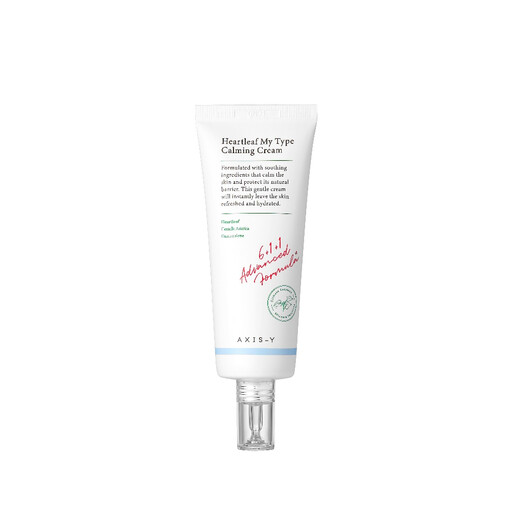
Why This Fits Their Persona: If your skin reacts to everything, you need a formula that prioritises soothing over everything else. This cream is designed to reduce redness and calm irritation without heavy oils or fragrance, making it a safe harbour for stressed skin.
It sidesteps the vague "calming" claim by using a focused blend of Heartleaf and Centella Asiatica, both known for their soothing properties, in a fragrance-free base.
The lightweight gel-cream texture provides hydration without clogging pores, making it suitable even for sensitive skin that is also prone to breakouts.
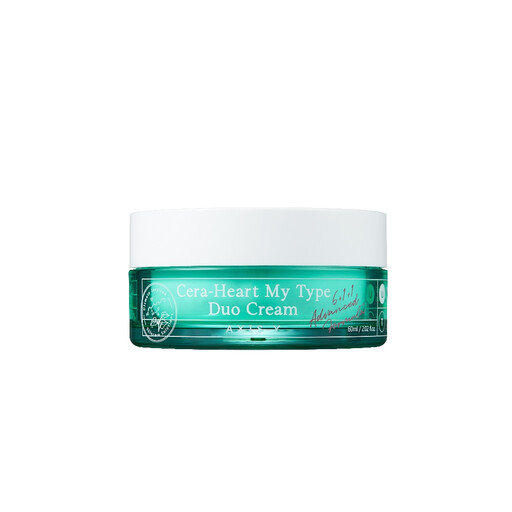
Why This Fits Their Persona: Dealing with an oily T-zone and dry cheeks is a classic combination skin challenge. This innovative product offers a targeted solution, removing the guesswork of finding one cream to suit two different needs.
It directly counters the "one-size-fits-all" trap by providing two distinct formulas in one jar: a lightweight gel for the oily T-zone and a richer cream for the dry U-zone.
This offers a truly customisable approach. The T-Zone cream uses Heartleaf to hydrate without adding shine, while the U-Zone cream uses Ceramides to nourish dry patches.
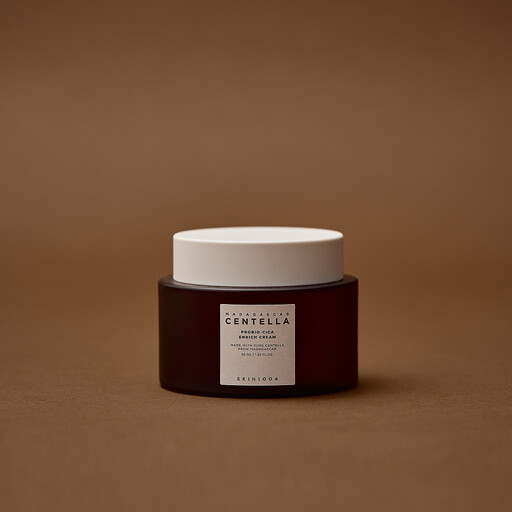
Why This Fits Their Persona: For those whose skin feels constantly tight, dry or looks dull, especially during UK winters, a simple hydrating cream isn't enough. You need a formula that actively repairs and strengthens the skin's moisture barrier for long-term resilience.
This cream avoids the "hype ingredient" trap by delivering a potent, synergistic blend of fermented Centella, Probiotics and Ceramide NP to provide comprehensive skin barrier support.
It has a rich, nourishing texture that provides deep, lasting moisture without feeling heavy or sticky, making it an effective skin barrier repair cream for daily use.
We have compiled a complete, real-time list of products that fully satisfy these strict selection criteria and UK safety regulations.
1. How long does a 50ml Korean moisturiser typically last? With standard twice-daily application, a 50ml jar of Korean face cream will generally last between two and three months. Most formulas are concentrated, so a pea-sized amount is usually sufficient to cover the face and neck.
2. Can I use a Korean face cream if I have rosacea? Many people with rosacea-prone skin find that gentle, calming K-beauty moisturisers work well for them. The key is to choose formulas that are free from common triggers like alcohol and artificial fragrance. Look for products that contain ingredients like Centella Asiatica, Panthenol or Heartleaf Extract. As with any new product, it is always wise to perform a patch test on a small area of skin first and consult a dermatologist for personalised advice.
3. Do I still need a serum if my Korean moisturiser is very hydrating? This depends on your specific skincare goals. A moisturiser's primary function is to hydrate the skin and create a barrier to prevent moisture loss. A serum, on the other hand, is typically a more lightweight product with a higher concentration of active ingredients designed to target specific concerns, such as fine lines, dark spots or loss of firmness. If your main goal is hydration, a high-quality hydrating face cream may be sufficient. However, if you have other concerns you wish to address, layering a targeted serum underneath your moisturiser can yield more noticeable results.