
24/7 Customer Support

Free returns

Same-day & Next-day Delivery

Quality Guaranteed

Unlock Your Welcome Offers: FREE Delivery | Up to 80% OFF | Free 30-day JoyPlus trial
Download the APP
Korean pancakes cover a surprisingly wide range of foods. You may be looking for a savoury buchimgae mix for kimchi pancakes, a frozen sweet pancake filled with brown sugar or a ready-to-eat snack inspired by Korean street food. The right choice depends less on attractive packaging and more on ingredients, storage, cooking method and portion size.
Before adding Korean pancakes to your basket, watch out for three common buying pitfalls.
There are three main formats:
Check the preparation instructions before ordering. For example, a frozen sweet pancake may cook in approximately three minutes in a frying pan, while a mushroom-filled Chinese crêpe may require around three to four minutes per side.
Savoury Korean pancakes are often soft and tender in the centre with a lightly crisp exterior. A product such as a kimchi pancake can work as a side dish or snack, while a plain Korean pancake mix is more flexible because you choose the ingredients.
Sweet varieties are more suitable when you want a dessert-style snack. Brown sugar mochi, black sesame, sweet red bean, taro and sweet potato fillings offer noticeably different flavours. If you prefer a more familiar bean-filled confectionery, Japanese dorayaki uses soft cake-like pancakes with sweet adzuki bean or matcha-style filling.
For a wider Asian food selection, Chinese scallion pancakes and paratha-style products usually focus on flaky layers and spring onion flavour rather than the softer batter texture associated with Korean savoury pancakes.
Frozen products should remain at -18°C or below until cooking. If a product becomes slightly chilled or partially defrosted during delivery, follow the supplier’s handling instructions and do not refreeze it after thawing. Cook according to the packet instructions and ensure it is thoroughly hot before serving.
Dry mixes should be stored in a cool, dry place and sealed after opening. The BEKSUL Korean Pancake Mix Powder contains wheat and may contain traces of soya, sesame, fish and crustaceans. Ready-to-eat dorayaki products can contain wheat, egg, soya and milk, with possible traces of nuts depending on the product.
Always use the packaging as the final reference for ingredients, allergens, best-before dates and cooking instructions.
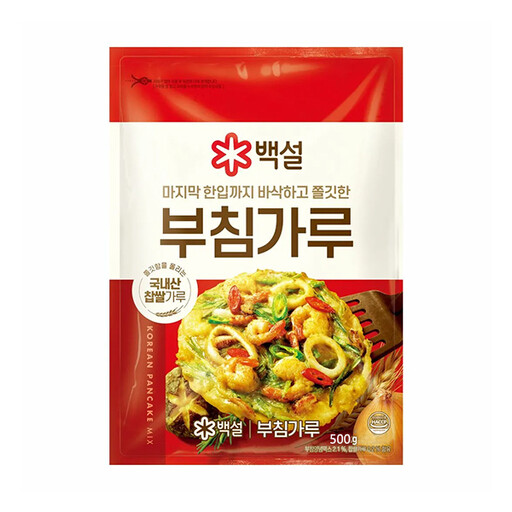
Why This Fits Their Persona: A practical starting point for students, couples and home cooks who want to customise portions with ingredients already in the fridge.
It is clearly a dry mix rather than a ready-to-eat product, so the preparation expectations are straightforward. You can choose your own filling instead of paying for ingredients you may not want.
Contains wheat flour, rice flour and cornflour. Suitable for kimchi pancakes, vegetable pancakes and spring onion combinations.

Why This Fits Their Persona: A convenient dessert option for shoppers who value a defined filling and multiple cooking methods at home.
The listing identifies it as frozen and states that it should not be refrozen after defrosting. It can be cooked from frozen, avoiding unnecessary preparation.
Black sesame filling, 480g pack and pan-fry, oven-bake and air-fryer instructions are provided.
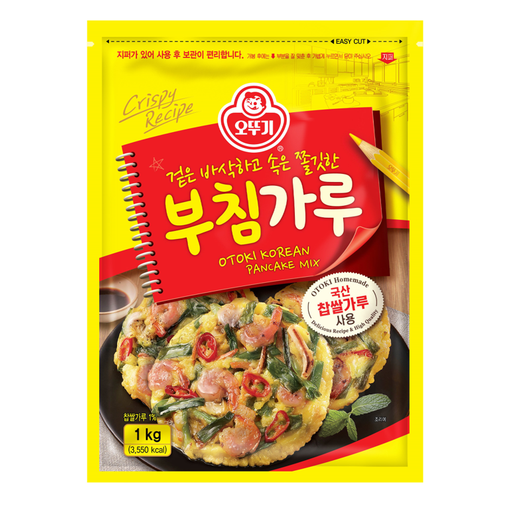
Why This Fits Their Persona: The larger pack suits families, regular Korean food cooks and anyone preparing pancakes for gatherings.
The 1kg size makes the quantity clear before purchase, while the product is labelled as a mix requiring preparation rather than a frozen finished meal.
Ingredients include wheat flour, salt and onion powder. Store in a cool, dry place away from direct sunlight.
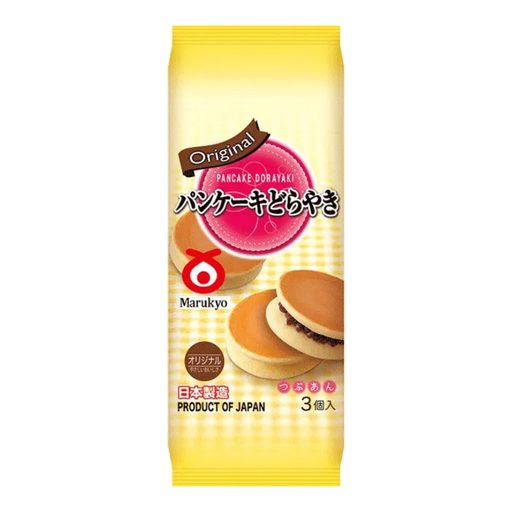
Why This Fits Their Persona: A no-cook Japanese pancake snack for afternoon tea, gifting or portioned desserts.
The product is ready to eat, so it avoids the common mistake of treating a frozen or dry pancake as a finished snack.
Three pieces per 150g pack with adzuki bean filling. No cooking is required; store unopened in a cool, dry place.
We have compiled a complete, real-time list of products that fully satisfy these strict selection criteria and UK safety regulations.
For savoury pancakes, add spring onions, sliced vegetables or kimchi to a prepared batter. Serve with soya-based dipping sauce, sesame seeds or a light salad. Frozen products can be paired with eggs or vegetables to create a quick breakfast or lunch.
Sweet Korean pancakes work well with tea, coffee or fruit. Follow the packet instructions rather than relying only on appearance, as filled products can remain hot in the centre after the outside has browned.
Both. Korean savoury pancakes include buchimgae and kimchi pancakes, while Korean sweet pancakes, including hotteok-style products, may contain brown sugar, sesame, red bean, sweet potato or taro fillings.
Some can. Hometown frozen varieties provide air-fryer instructions, while other products specify pan-frying or oven cooking. Check the individual packaging, cook from frozen only where instructed and ensure the centre is thoroughly hot.
Yes, provided you follow the preparation instructions and use the batter immediately. A mix offers more flexibility than a pre-filled product, but you will need to add water and choose your own fillings. Always check the wheat and potential cross-contact allergen information before cooking.