
24/7 Customer Support

Free returns

Same-day & Next-day Delivery

Quality Guaranteed

Unlock Your Welcome Offers: FREE Delivery | Up to 80% OFF | Free 30-day JoyPlus trial
Download the APP
Korean seaweed snacks can be a convenient addition to a lunchbox, rice bowl or desk drawer. However, thin roasted sheets vary considerably in seasoning, pack size, allergens and intended use. A small packet may look like good value until you discover that it contains only a few grams, while a large bag of seaweed flakes may lose its crispness before you finish it.
This guide explains the practical details to check before buying Korean seaweed snacks, including seasoned seaweed snack formats, Korean roasted seaweed, seaweed laver and Asian seaweed snacks.
Seaweed snacks are light, so a large-looking outer package does not necessarily contain much food. Compare the net quantity and the number of individual portions. For example, a 40g pack containing eight 5g portions is structured differently from a 15g pack containing three 5g portions, even if both are marketed as convenient snacks.
For family sharing or frequent meals, larger packs of seaweed flakes may be more practical. For work bags, school lunchboxes and portion control, individually wrapped seaweed snack packs usually offer better protection against moisture.
“Roasted seaweed” can mean lightly salted sheets, a strongly seasoned laver snack, chilli flakes or a flavoured product such as wasabi or Korean barbecue. Check the ingredient list for oil, sugar, soy sauce, sesame oil, chilli and flavour enhancers rather than relying only on front-of-pack descriptions.
A plain or lightly salted product may suit sushi and rice dishes, while a seasoned seaweed snack is usually more suitable for eating directly.
Seaweed sheets are thin, but seasoned varieties may include oil and salt. Nutritional values are often listed per 100g, although an individual serving may be only 3g to 5g. To compare products accurately, check both the per-100g figures and serving size.
Allergens also need careful attention. Soy, wheat, sesame and, in some flavoured products, crustaceans or molluscs may be present. Always read the current UK packaging, particularly if buying for children or anyone with a food allergy.
If crispness is your priority, select dry roasted sheets or flakes in sealed packaging.
Individual packs help preserve texture after opening. This is useful in the UK where a packet may be stored in a kitchen cupboard, office drawer or lunchbox for several days. Once opened, consume thin sheets promptly and reseal larger flake packs tightly. Moisture is the main cause of sogginess.
For regular use, compare the total grams per pack, not just the number of packets. A three-pack may be convenient for occasional snacking, whereas a 40g or 60g pouch may offer more food for rice toppings and family meals.
Look for a clear ingredient list and a UK-compliant allergen declaration. Products in this selection include examples containing soy, wheat, sesame or possible traces of fish and shellfish. Other options list sesame only, while some products may have no declared allergens but still require checking the packaging for updated information.
Do not assume seaweed is a substitute for a balanced meal. Seasoned products can contain notable salt and fat per 100g, so portion size matters. The product label remains the appropriate source for current nutritional and allergen information.

Why This Fits Their Persona: Three individual 4.5g packs provide a straightforward way to try Korean roasted seaweed without committing to a larger pouch. It suits lunchboxes, first-time buyers and occasional rice accompaniments.
The stated net quantity and individual portions make it easier to compare value instead of judging the outer packaging.
Non-fried processing is stated in the product information, and the ingredients list includes green seaweed, canola oil, sesame oil and salt.
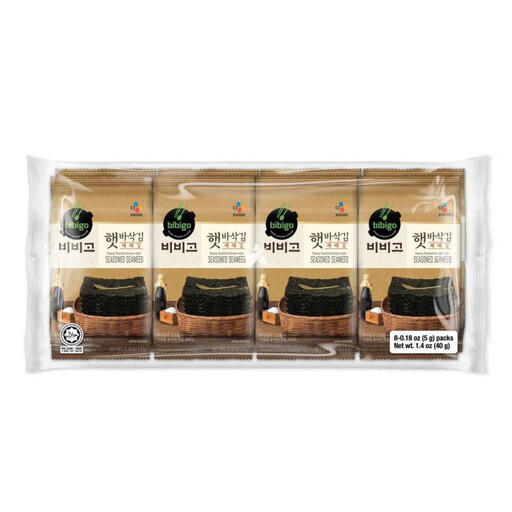
Why This Fits Their Persona: This eight-pack format suits shoppers who want a familiar Korean-style gim snack for work, packed lunches and rice bowls throughout the week.
Eight sealed 5g portions reduce repeated exposure to air and make the total 40g quantity clear before purchase.
The product is ready to eat and can be used as a sheet, rice wrap, soup garnish or salad topping. It contains soy, wheat and sesame.
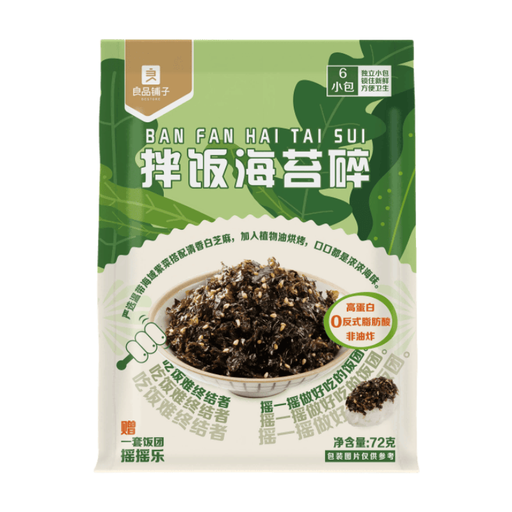
Why This Fits Their Persona: The 72g format is designed for repeated use, making it practical for rice bowls, noodles, congee and meal preparation rather than only hand-to-mouth snacking.
The flake format avoids paying for multiple small wrappers when the main purpose is topping meals.
It combines dried seaweed and white sesame and is ready to mix with rice or noodles. The declared allergen is sesame.
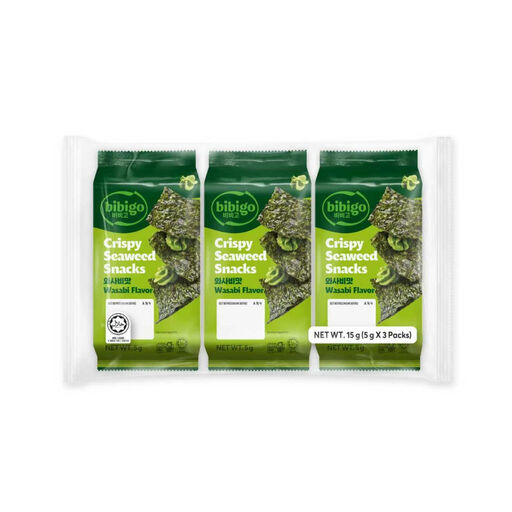
Why This Fits Their Persona: The wasabi seasoning gives shoppers a clearly defined flavour profile for standalone snacking or adding a sharper note to noodles and rice.
The wasabi flavour is stated directly, helping avoid buying a plain laver snack when a stronger seasoning is preferred.
The product contains three individually portioned 5g packs and is ready to eat. It contains soy and may contain traces of milk and sesame.
We have compiled a complete, real-time list of products that fully satisfy these strict selection criteria and UK safety regulations.
Yes, individually wrapped seaweed snack packs are convenient for lunchboxes because they require no preparation. Keep them dry and check the allergen information before packing them for children. Thin sheets can be brittle, so younger children should be supervised while eating.
Store unopened packs in a cool, dry cupboard away from sunlight, heat and strong odours. After opening, consume the portion promptly or reseal a larger flake pack tightly. Moisture causes roasted seaweed and laver sheets to soften.
The cost depends on the format. Individually portioned packs usually provide convenience and better protection from air, while larger pouches or seaweed flakes may offer more grams for meal toppings. Compare the price per 100g, total net quantity and intended use before choosing.