
24/7 全天候客户支持

免费退货

当日/次日达

品质保障

开启新人专享福利: 全场免邮 | 低至 2 折 | 免费试用 30 天 JoyPlus 会员
下载 Joybuy
Choosing Korean skincare products can be surprisingly difficult. Attractive packaging, long ingredient lists and promises of “glass skin” do not always tell you whether a product suits your skin or your daily routine.
UK shoppers also need to consider seasonal dryness, limited winter daylight, summer UV exposure, product storage and whether imported cosmetics provide clear ingredient and safety information. The following guide explains the main buying traps, the specifications worth checking and suitable options for different skincare needs.
K-beauty skincare often combines several popular ingredients, such as niacinamide, hyaluronic acid, centella asiatica, rice extracts and botanical oils. More ingredients can offer multiple benefits, but they can also make it harder to identify what is causing irritation.
If you have sensitive or acne-prone skin, introduce one new product at a time. Look for a full INCI ingredient list and follow the label’s patch-testing advice. A simple Centella ampoule or hydrating serum may be easier to assess than a multi-active routine.
Terms such as “brightening”, “pore refining” and “anti-ageing skincare” generally describe cosmetic appearance or user-perceivable effects. They should not be interpreted as medical or therapeutic promises.
For example, niacinamide may be included in a formula designed to improve the appearance of uneven tone, while hyaluronic acid is commonly used in hydrating skincare for a moisturised skin feel. Neither description guarantees a particular outcome for every user.
A Korean sunscreen SPF 50 or SPF 50+ product can be a practical part of a morning routine, but the stated protection depends on applying enough product and reapplying when appropriate. Sunscreen should be the final skincare step before make-up and should cover the face, neck and ears.
Check whether the product is water- or sweat-resistant. The SKIN1004 sun serum listed below is specifically described as not water or sweat-resistant, so it may need replacing after swimming or heavy perspiration.
Match ingredients to your main concern rather than buying based on popularity alone:
The Beauty of Joseon Glow Serum Propolis + Niacinamide includes propolis, 2% niacinamide, 0.5% BHA and alpha-arbutin. This combination may appeal to shoppers seeking hydration alongside care for excess shine and uneven-looking tone, but BHA should be introduced gradually.
A good Korean skincare routine does not need every available step. A basic sequence is:
Sheet masks and toner pads are optional additions rather than compulsory steps. If several watery products are layered together, check whether your skin feels tight, sticky or congested. A lighter Korean face serum may be enough under a moisturiser, particularly during warmer months.
Before purchasing, check the product photographs and packaging for:
Single-use ampoules can be convenient for travel, while jars and tubs should be closed promptly and kept away from heat and direct sunlight. Always follow the product label if it differs from general routine advice.
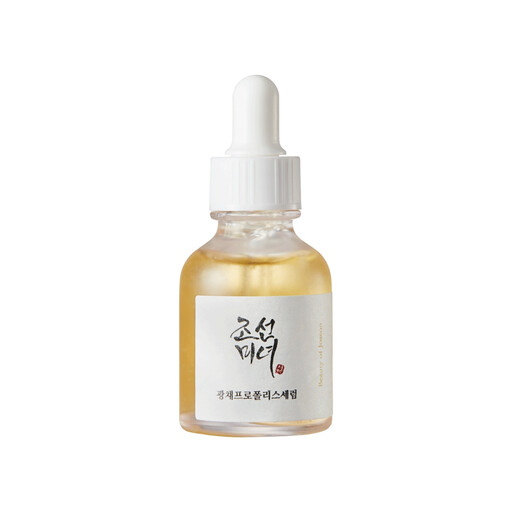
Why This Fits Their Persona: A single serum can be a manageable starting point for UK shoppers who do not want to purchase a full routine at once. Its viscous texture is designed to leave a dewy finish without an oily feel.
The listed percentages make the key actives easier to identify than vague “glow” claims. Introduce it gradually because it contains BHA.
Includes 2% niacinamide, 0.5% BHA and alpha-arbutin; suitable for layering beneath lotion or cream.
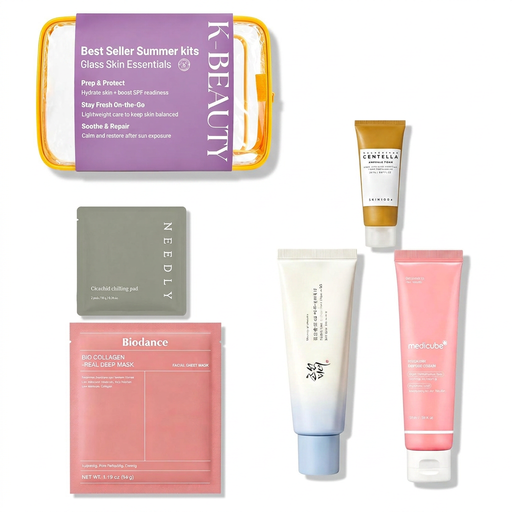
Why This Fits Their Persona: This curated set suits shoppers who prefer coordinated products for holidays, gifting or building a routine without selecting every item separately.
The contents are listed clearly: cleanser, mask, moisturiser, pad and SPF 50+ sunscreen. Buyers can check whether each step suits them before ordering.
Five products with rice, hyaluronic acid, collagen, centella asiatica and niacinamide; includes a travel pouch.
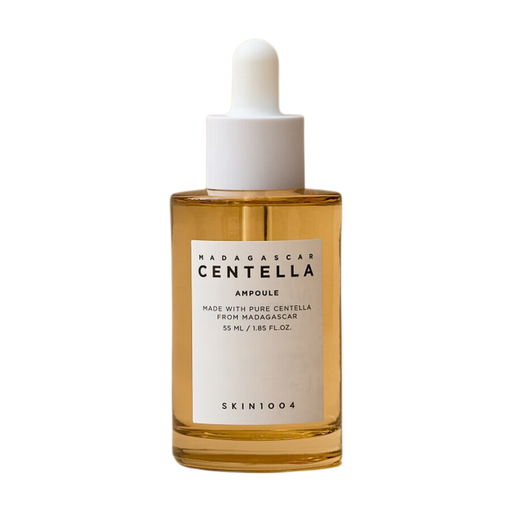
Why This Fits Their Persona: Its watery, single-ingredient format may suit shoppers who want a straightforward soothing layer for a simple morning or evening routine.
A short ingredient profile makes it easier to avoid unnecessary active combinations. Patch testing is still advisable, particularly for reactive skin.
Contains Centella Asiatica Extract; lightweight texture and 55ml capacity.
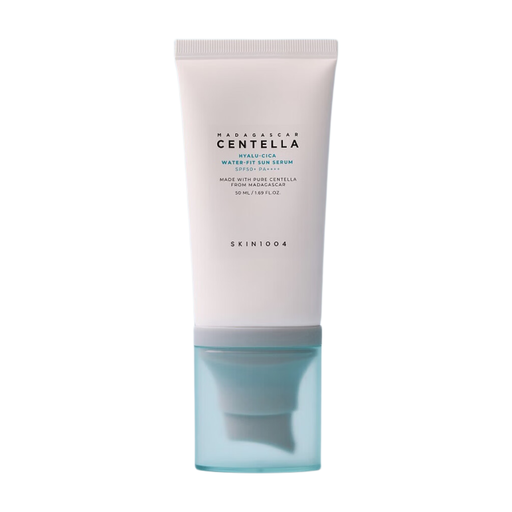
Why This Fits Their Persona: Daily SPF users who dislike heavy sunscreen textures may prefer this serum-like formula for commuting, office wear and make-up layering.
The listing states that it is not water or sweat-resistant, preventing buyers from assuming it suits swimming or strenuous outdoor activity.
SPF 50+ PA++++; includes centella asiatica, niacinamide and hyaluronic acid in a fragrance-free formula.
Start with a cleanser, moisturiser and sunscreen. Add a Korean face serum only when you have identified a specific need, such as hydration or the appearance of uneven tone. Toner pads can replace a conventional toner for convenience, while sheet masks are useful as occasional care rather than a substitute for daily moisturising.
For dry skin, apply serum to slightly damp skin and seal it with a cream. For oily or combination skin, choose lighter layers and avoid introducing BHA, vitamin C derivatives and other active products simultaneously. If a product causes persistent stinging, redness, itching or swelling, stop using it and seek appropriate medical advice.
We have compiled a complete, real-time list of products that fully satisfy these strict selection criteria and UK safety regulations.
A practical routine can contain three core products: cleanser, moisturiser and sunscreen in the morning. Add a serum or ampoule after checking its ingredients, then introduce masks or toner pads if they offer a clear benefit for your skin.
Some Korean skincare products are designed with lightweight, soothing ingredients such as centella asiatica, beta-glucan or panthenol. However, suitability depends on the complete formula. Patch test new products, especially those containing fragrance, essential oils, acids or multiple botanical extracts.
Follow the packaging’s expiry date and period-after-opening symbol. Keep products tightly sealed, away from direct sunlight and excessive heat. Single-use vials should be discarded after use, while sheet masks and toner pads need to remain closed so the essence does not dry out.