
24/7 全天候客户支持

免费退货

当日/次日达

品质保障

开启新人专享福利: 全场免邮 | 低至 2 折 | 免费试用 30 天 JoyPlus 会员
下载 Joybuy
Sensitive, dry and acne-prone skin can make skincare shopping unnecessarily complicated. A product labelled “calming” may still contain ingredients your skin dislikes, while a large routine can leave you with several half-used bottles and no clear idea what caused irritation.
This guide from the Joybuy Product Recommendation Officer focuses on practical selection rather than marketing language. It explains what to check in Korean skincare for sensitive skin, then matches a small selection of cleansers, ampoules, serums and routines to different needs.
Centella asiatica, fermented extracts and plant oils are popular in gentle skincare, but natural origin does not guarantee compatibility. Sensitive skin can react to almost any ingredient, particularly when several new products are introduced together.
Check the full ingredient list and patch test a small area before applying a new product across your face. If redness, swelling, itching or persistent discomfort occurs, stop using it and seek medical advice where appropriate.
A high percentage of vitamin C, niacinamide or tranexamic acid may sound appealing, but strength is only one part of the decision. A product’s texture, supporting ingredients and your existing routine also affect how comfortable it feels.
For a cautious introduction, look for soothing and hydrating ingredients alongside brightening actives. A vitamin C serum containing Centella Asiatica and panthenol may be more practical for some sensitive users than a highly concentrated, minimalist formula.
When skin feels tight, flaky or reactive, adding exfoliating acids, retinoids and multiple brightening products can make the routine harder to manage. Start with a mild sensitive skin cleanser, a moisturising serum or ampoule and a suitable cream. Add one targeted treatment only after the basic routine feels comfortable.
A cleanser should remove sunscreen, daily dirt and excess oil without leaving the face uncomfortably tight. Consider a low-pH formula and gentle surfactants rather than judging performance by how dramatically it foams.
The SKIN1004 Madagascar Centella Ampoule Foam has a stated pH of 5 and includes Centella Asiatica, glycerin and sodium hyaluronate. Its directions recommend creating foam in wet hands, massaging gently for 30–60 seconds, then rinsing with lukewarm water. Avoid scrubbing, especially around dry or blemish-prone areas.
For barrier repair skincare, look for a balanced combination of humectants, emollients and barrier-supporting ingredients. Useful examples include:
A “probiotic skincare” label should not be treated as a guarantee of results. Instead, check whether the formula also contains familiar moisturising and barrier-supporting ingredients.
A dark spot serum, brightening ampoule or tranexamic acid serum may suit people concerned about visible uneven tone, but gradual use is sensible for reactive skin. The SKIN1004 Madagascar Centella Tone Brightening Capsule Ampoule includes niacinamide, tranexamic acid, 3-O-Ethyl Ascorbic Acid and Centella Asiatica.
During daytime, use broad-spectrum sunscreen as the final skincare step. This is particularly important when your routine focuses on the appearance of dark spots and uneven tone. Do not apply brightening products to broken or irritated skin.
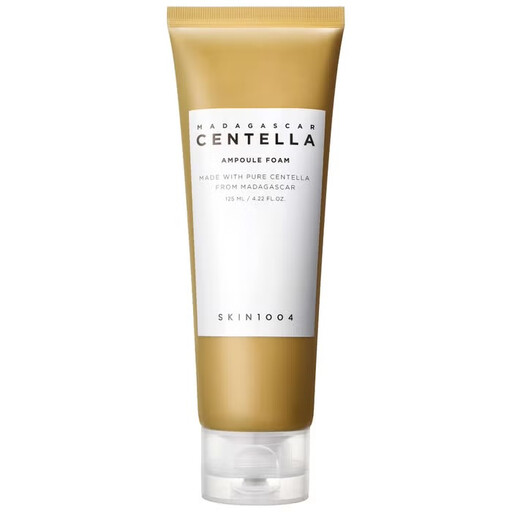
Why This Fits Their Persona: A straightforward starting point for UK shoppers who want to improve cleansing before adding several treatment products. It can be used in the morning, evening or according to personal preference.
Its stated pH of 5 and gentle cleansing directions provide more useful selection information than foam volume alone.
Includes Centella Asiatica, glycerin and sodium hyaluronate; designed to remove impurities without an overly stripping finish.
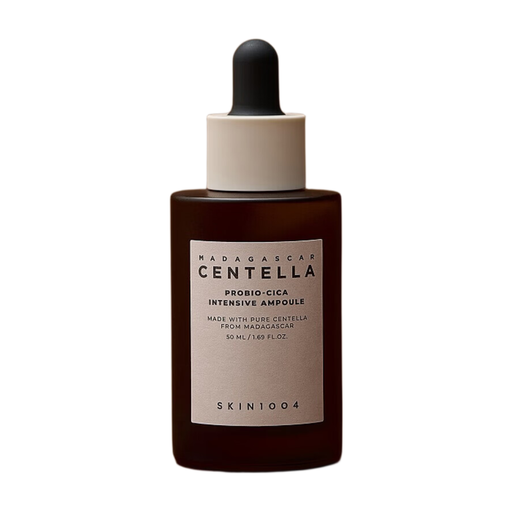
Why This Fits Their Persona: Suitable for shoppers seeking a richer, focused step for dry, uncomfortable or weakened-looking skin, especially during colder or drier indoor conditions.
The ingredient list identifies ceramide NP, panthenol, sodium hyaluronate and fermented Centella rather than relying only on a “repair” label.
Milky, silky texture; includes ceramide NP and fermented Centella extract for a moisturising barrier-supporting routine.
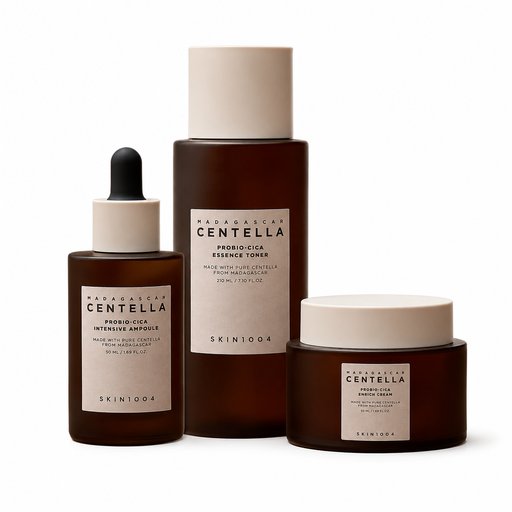
Why This Fits Their Persona: A practical skincare set for dry or sensitive users who want a coordinated three-step routine rather than selecting toner, serum and moisturiser separately.
The set shows the intended order of use and lists the ingredients across each step, helping avoid an unplanned collection of incompatible actives.
Contains toner, ampoule and cream; includes multiple forms of hyaluronic acid, ceramide NP, panthenol and squalane.
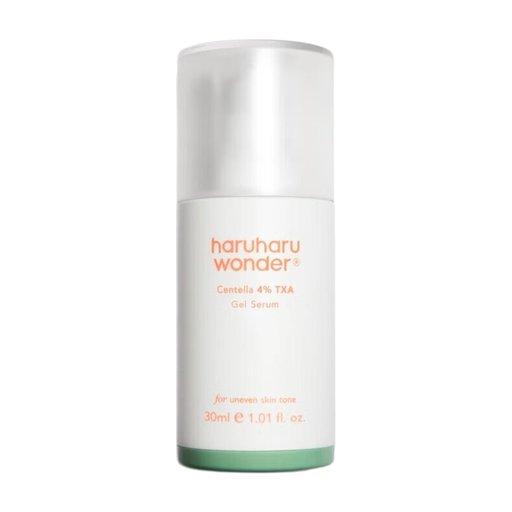
Why This Fits Their Persona: Designed for shoppers prioritising the appearance of dark spots and uneven tone while still wanting Centella-focused soothing ingredients in the same formula.
The formula clearly states 4% tranexamic acid and 4% niacinamide, so shoppers can compare active content rather than relying on vague “glow” wording.
Lightweight gel texture; includes Centella complex, tranexamic acid, niacinamide and vitamin C derivatives.
We have compiled a complete, real-time list of products that fully satisfy these strict selection criteria and UK safety regulations.
It can be, but suitability depends on the individual formula and your skin’s current condition. Check ingredients, avoid applying new products to broken skin and patch test before full use. Products for acne-prone skin should also be introduced gradually, particularly when they contain brightening or exfoliating ingredients.
A simple routine of cleanser, moisturiser and daytime sunscreen is a sensible starting point. Add one ampoule or serum once your skin feels comfortable with the basics. A skincare set for dry skin can simplify product order, but you should still patch test each item.
Follow the packaging instructions and storage guidance, including the period-after-opening symbol where provided. Keep products away from direct sunlight and excessive heat, and do not continue using them if the smell, colour or texture changes. Always check the latest batch, shelf-life and ingredient information printed on the packaging.