
24/7 全天候客户支持

免费退货

当日/次日达

品质保障

开启新人专享福利: 全场免邮 | 低至 2 折 | 免费试用 30 天 JoyPlus 会员
下载 Joybuy
Dark spots, post-acne marks, redness and clogged pores often lead shoppers towards Korean skincare serums for dark spots and blemishes. However, attractive packaging and long ingredient lists do not always make a product suitable for your routine. The right choice depends on the type and concentration of active ingredients, your skin’s tolerance and how consistently you can use the product.
A strong formula is not automatically the most suitable formula. A 10% niacinamide serum, for example, may appeal to shoppers seeking a brightening serum, but sensitive or compromised skin may prefer a lower concentration. Some formulas also combine several active ingredients, increasing the chance of dryness or irritation when layered incorrectly.
Look at the full ingredient list and usage instructions rather than focusing on one headline percentage.
Dark spots, post-inflammatory marks, active blemishes and enlarged-looking pores are related but not identical concerns. A tranexamic acid serum may suit uneven tone and the appearance of hyperpigmentation, while a pore-clearing serum containing exfoliating acids may be more relevant to congestion and rough texture.
A soothing product such as a centella asiatica essence can support a stressed-feeling skin barrier, but it is not a replacement for a targeted dark spot serum.
Overusing exfoliating acids or combining too many brightening products can leave skin feeling tight, sore or reactive. Daytime UV exposure can also make uneven tone appear more noticeable. Any routine targeting dark spots should include a broad-spectrum sunscreen during the day, following the product’s instructions and UK-appropriate sun protection advice.
Check whether the formula matches your main concern:
A leave-on serum can fit a daily routine, but active formulas should be introduced gradually. A rinse-off exfoliating acid serum may be more appropriate for weekly use because the contact time is limited. Always follow the instructions rather than treating every serum as an everyday product.
Light gel textures can be convenient for oily or blemish-prone skin, especially under moisturiser and sunscreen. Those with sensitive skin may wish to check for fragrance, essential oils, drying alcohol and potential irritants. Hydrating ingredients such as glycerin, hyaluronic acid, panthenol and squalane can make an active formula feel more comfortable, although individual tolerance varies.
Patch test a new product before applying it across the face. Avoid applying products to broken or inflamed skin, and stop use if persistent irritation develops.
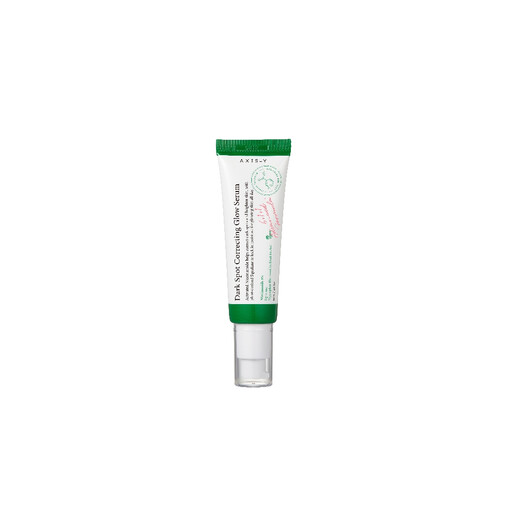
Why This Fits Their Persona: A straightforward all-over or targeted option for shoppers starting a daily brightening routine without choosing a multi-acid treatment.
The formula provides a clearly stated 5% niacinamide concentration instead of relying only on vague “glow” language.
50ml size, lightweight gel texture, squalane, glycerin and sodium hyaluronate for added moisture support.
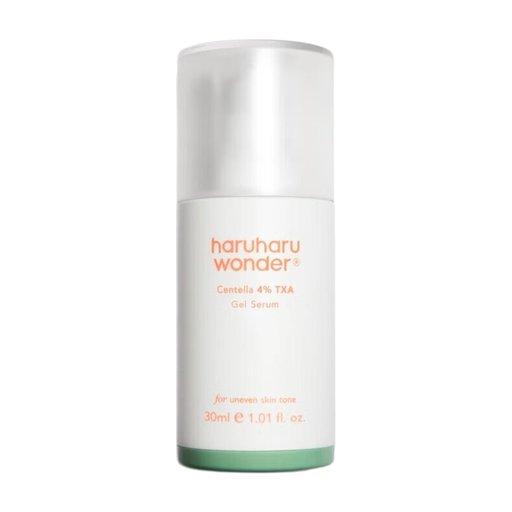
Why This Fits Their Persona: Suits shoppers wanting a focused hyperpigmentation serum with a modern, lightweight format for morning or evening use.
Its ingredient profile states the TXA and niacinamide percentages clearly, making comparison easier than choosing by “intensive brightening” wording alone.
Contains 4% tranexamic acid, 4% niacinamide and a centella complex; the product description states it is free from artificial fragrance and drying alcohol.
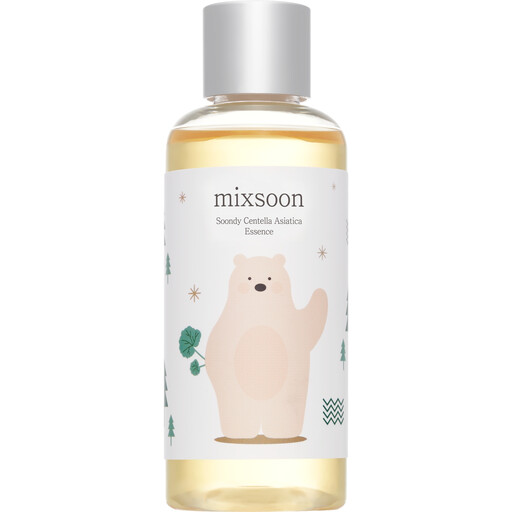
Why This Fits Their Persona: A practical choice for people in the UK who want a simple soothing layer when their skin feels dry, stressed or easily irritated.
The short three-ingredient list makes it easier to identify what you are applying and avoid unnecessary active layering.
100ml format with centella asiatica extract and a lightweight essence texture designed for gentle hydration.
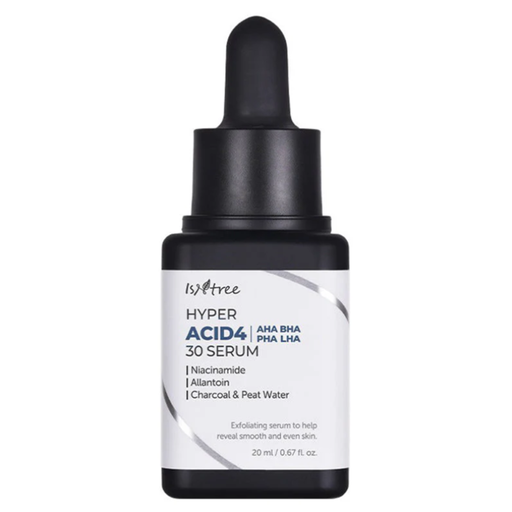
Why This Fits Their Persona: Designed for experienced users who specifically want a weekly texture and pore-care step rather than another daily hydrating serum.
It is clearly labelled as a one-minute rinse-off formula, reducing the risk of treating a strong exfoliant as an everyday leave-on serum.
Combines AHA, BHA, PHA and LHA; the instructions recommend use once or twice weekly and rinsing thoroughly.
Start with cleansing, followed by one treatment serum and moisturiser. Introduce a brightening serum two or three times weekly if your skin is reactive, then increase only if comfortable. Keep exfoliating acid products on separate evenings from other potentially irritating actives.
For active blemishes and post-acne marks, a niacinamide serum or targeted dark spot serum may be easier to use regularly than an intensive exfoliant. If redness or sensitivity is the main concern, prioritise a gentle centella asiatica essence or sensitive skin serum before adding stronger treatments.
Always use sunscreen in the morning. Check the packaging for the latest ingredients, batch information and storage instructions, as formulas may change.
We have compiled a complete, real-time list of products that fully satisfy these strict selection criteria and UK safety regulations.
It is usually more practical to use them on separate days, particularly when starting. Combining several active products can increase dryness or irritation. Follow each product’s directions and introduce only one new formula at a time.
The timeframe varies according to the type of mark, product formula and routine consistency. Hydration may feel immediate, while the appearance of uneven tone and post-blemish marks generally requires regular use over time. Sunscreen is important because ongoing UV exposure can make pigmentation concerns more noticeable.
Some are formulated with lightweight or soothing ingredients, but suitability is individual. Check the ingredient list, patch test first and avoid applying products to broken or inflamed skin. For persistent, painful or worsening acne, seek advice from a qualified healthcare professional rather than relying solely on cosmetic skincare.