
24/7 Customer Support

Free returns

Same-day & Next-day Delivery

Quality Guaranteed

Unlock Your Welcome Offers: FREE Delivery | Up to 80% OFF | Free 30-day JoyPlus trial
Download the APP
By Joybuy Product Recommendation Officer
Korean skincare serums are popular for their lightweight textures, ingredient-focused formulas and broad range of skin concerns. However, attractive packaging and impressive-sounding ingredient percentages do not automatically make a serum suitable for your routine.
For UK shoppers, three common purchasing traps are worth avoiding:
Start with one primary goal rather than buying several overlapping products.
A serum cannot replace professional advice for persistent, painful or changing skin concerns. Stop using a product if it causes ongoing redness, swelling, itching or discomfort.
Ingredient order can help you understand the formula. Ingredients appearing near the beginning are generally present in greater amounts, although exact percentages are not always disclosed.
Also check for potential personal triggers:
Descriptions such as “vegan”, “fragrance-free” or “non-comedogenic” should still be checked against the current packaging and ingredient list before use.
A 30ml bottle can be practical for a targeted product, while 50ml or 55ml options may be more convenient for daily, full-face application. Watery formulas usually layer easily beneath moisturiser and SPF. Gel formulas can offer a fresh finish, while milky or silky serums may feel more comfortable for dry skin.
For a morning routine, apply serum after cleansing and toning, then finish with moisturiser and a broad-spectrum sunscreen. At night, use serum before your moisturiser. Patch testing is sensible, particularly when choosing a vitamin C serum, brightening serum or product with several active ingredients.
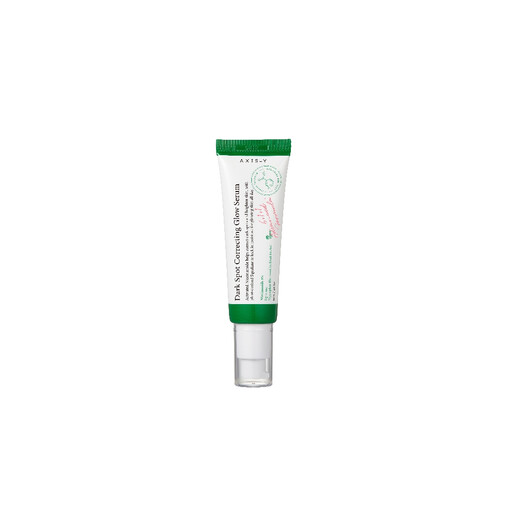
Why This Fits Their Persona: A practical starting point for shoppers wanting one lightweight product for uneven-looking tone and daily hydration.
Its stated 5% niacinamide concentration is clearly identified, helping beginners avoid guessing the strength from vague brightening language.
50ml size; lightweight gel texture; includes glycerin, sodium hyaluronate and plant extracts.
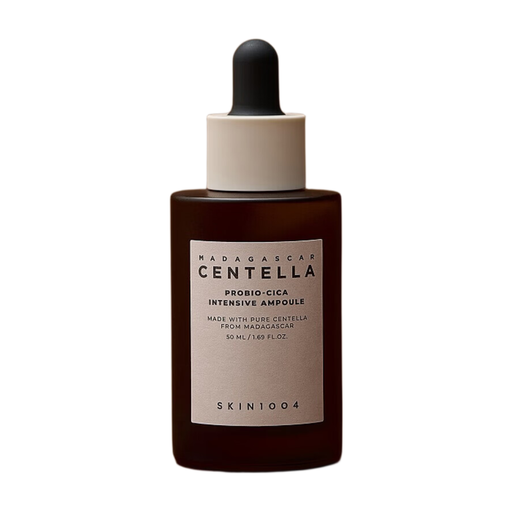
Why This Fits Their Persona: Suits users prioritising a richer barrier-focused layer during cold weather or in centrally heated homes.
The formula lists ceramide NP, panthenol and centella ferment rather than relying solely on a fragrance-led sensorial experience.
50ml format; milky texture; includes five listed ceramide types and sodium hyaluronate.
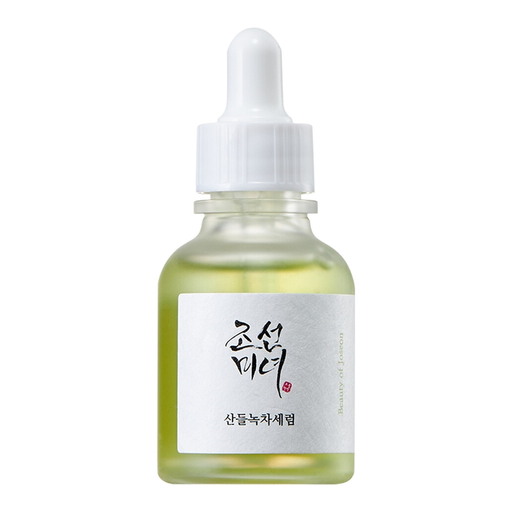
Why This Fits Their Persona: A simple option for users who prefer a fragrance-free, lightweight layer under moisturiser and SPF.
The listed formula is fragrance-free, helping shoppers avoid an often-overlooked source of personal sensitivity.
30ml bottle; 76% green tea leaf water listed; contains panthenol and sodium hyaluronate.
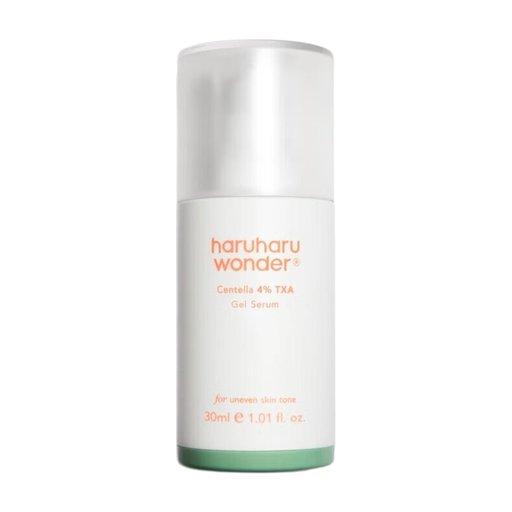
Why This Fits Their Persona: Designed for shoppers specifically comparing a dark spot serum with a clearly stated tranexamic acid and niacinamide content.
It provides stated 4% levels for both tranexamic acid and niacinamide, avoiding an unclear proprietary brightening blend.
Airless pump packaging; fragrance-free listing; lightweight gel texture with centella components.
We have compiled a complete, real-time list of products that fully satisfy these strict selection criteria and UK safety regulations.
Patch test first, then apply a small amount two or three times weekly. If your skin remains comfortable, gradually increase use according to the product directions. Avoid introducing several new actives at once, as this makes it difficult to identify the cause of irritation.
Many brightening serums are designed for regular use, but suitability depends on the ingredients and your skin’s tolerance. Use daytime SPF, particularly when addressing the appearance of dark marks, and follow the product’s instructions. Reduce frequency if persistent dryness or discomfort develops.
Shelf life varies with the formula, packaging and how often it is used. Keep bottles tightly closed and follow the storage guidance on the packaging. Vitamin C products should generally be protected from heat and direct sunlight. Changes in colour, smell or texture can indicate that a product should no longer be used.