
24/7 全天候客户支持

免费退货

当日/次日达

品质保障

开启新人专享福利: 全场免邮 | 低至 2 折 | 免费试用 30 天 JoyPlus 会员
下载 Joybuy
A Korean skincare toner can be a simple hydrating step or a targeted treatment for dullness, sensitivity, uneven texture and blemishes. The challenge is separating useful formulation details from attractive packaging and vague promises. UK shoppers also need to consider fragrance, active ingredients, texture and how the toner fits with the rest of their routine.
Centella, mugwort, birch juice and aloe are popular ingredients in Korean beauty skincare, but one highlighted extract does not tell you everything about a formula. Check the complete ingredient list, especially if you have reactive or acne-prone skin. A centella toner may also contain essential oils, exfoliating acids or fragrance that you did not expect.
A watery product may feel refreshing without providing enough lasting moisture. If your skin feels tight after cleansing, look for humectants such as glycerin, betaine, panthenol, sodium hyaluronate or hyaluronic acid, then follow with a moisturiser to reduce moisture loss.
Conversely, an exfoliating toner containing AHA, BHA or PHA should not automatically be used morning and night. Overuse can leave skin feeling dry or uncomfortable, particularly when combined with retinoids, scrubs or other acids.
A brightening toner can support a more even-looking complexion, but cosmetic products should not be treated as guaranteed solutions for pigmentation or acne marks. Ingredients such as niacinamide, vitamin C derivatives and gentle exfoliants have different purposes and tolerances. Daily sunscreen remains important when addressing the appearance of uneven tone.
Match the formula to your main concern rather than buying several toners with overlapping functions.
“Natural” does not always mean suitable for sensitive skin. Review the label for parfum, essential oils, limonene, linalool, menthol and denatured alcohol. These ingredients are not automatically unsuitable, but they may be less comfortable for people who already experience stinging or redness.
Always check the packaging supplied to you, as ingredient lists and product versions can change. For a new formula, apply a small amount to a discreet area first and stop use if persistent irritation develops.
A thin watery toner is convenient for layering, while an ampoule-style or essence toner may feel more substantial. Cotton-pad application can provide a light sweeping effect, whereas applying with clean palms generally creates less product waste.
Bottle size also affects value. A 300ml toner may suit twice-daily users, while a 125ml mist or 150ml bottle can be more practical for travel or occasional targeted use.
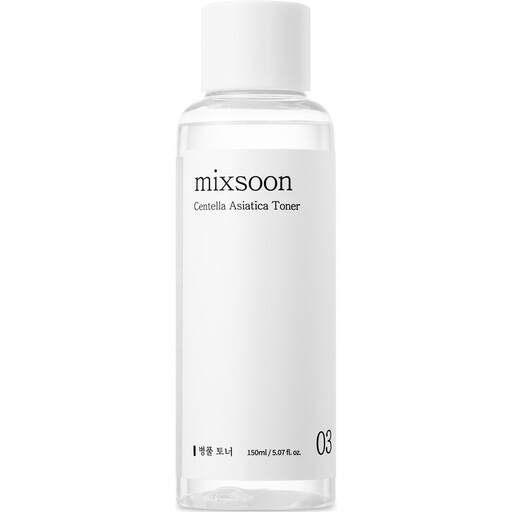
Why This Fits Their Persona: A straightforward option for shoppers starting a gentle Korean skincare routine, with a short listed ingredient profile and a lightweight texture for morning or evening use.
It avoids unnecessary exfoliating acids in the listed formula, making it easier to add without immediately duplicating an active treatment.
Centella asiatica extract; can be applied by patting or gently wiping.
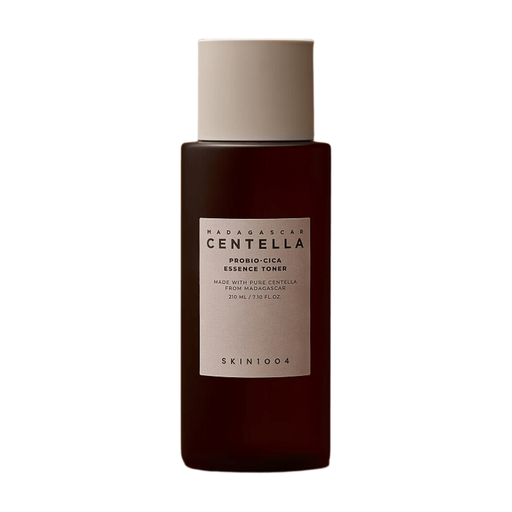
Why This Fits Their Persona: Suits shoppers who prefer an essence-like toner with a richer feel, particularly when central heating or cold weather leaves skin feeling dry.
Its ingredient list identifies ceramide NP, panthenol and several hyaluronic acid forms instead of relying only on a botanical headline ingredient.
Watery-essence texture; includes fermented centella, ceramide NP and multiple humectants.
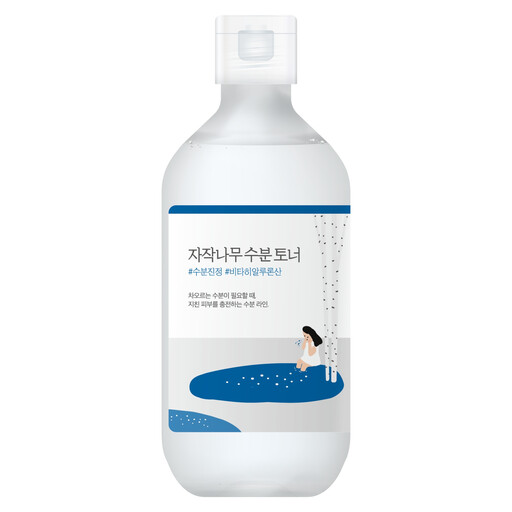
Why This Fits Their Persona: The 300ml size is practical for frequent use, layering or sharing within a household, while the ampoule-style texture suits dry and dehydrated skin.
The fragrance-free formula makes the label easier to assess for sensitive routines, while the ingredient list clearly identifies birch juice at 10,000 ppm.
300ml bottle; contains panthenol, betaine and hyaluronic acid ingredients.
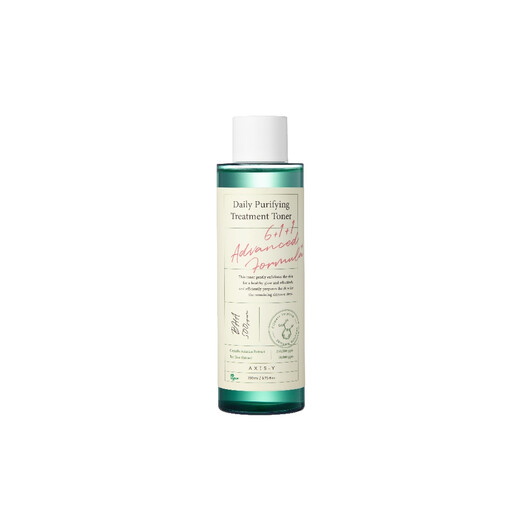
Why This Fits Their Persona: Designed for shoppers focused on oiliness, visible congestion and uneven texture who already understand how to introduce exfoliating ingredients carefully.
The active system is specified as 0.5% salicylic acid alongside glycolic acid and gluconolactone, so shoppers can identify it as a treatment rather than a basic hydrating toner.
Alcohol-free formula; includes BHA, AHA, PHA and centella asiatica extract.
For a fragrance-free toner, start with one product rather than layering several new formulas at once. If choosing a mugwort toner, aloe toner or centella toner, compare the full ingredient list and use frequency instructions instead of relying on the front-label extract percentage.
We have compiled a complete, real-time list of products that fully satisfy these strict selection criteria and UK safety regulations.
No. A toner is optional. It can add hydration, comfort or controlled exfoliation after cleansing, but a gentle cleanser, moisturiser and daytime sunscreen may be sufficient for a simple routine.
Begin once or twice weekly, unless the product label gives different instructions. Increase only if your skin remains comfortable. Avoid combining it immediately with other exfoliating products or applying it to broken, sunburnt or visibly irritated skin.
Some are formulated with fragrance-free, alcohol-free ingredients and soothing components such as panthenol, centella, mugwort or aloe. However, sensitivity varies. Review the ingredients, patch test when appropriate and discontinue use if irritation persists.