
24/7 全天候客户支持

免费退货

当日/次日达

品质保障

开启新人专享福利: 全场免邮 | 低至 2 折 | 免费试用 30 天 JoyPlus 会员
下载 Joybuy
A Korean skincare toner can add hydration, prepare skin for serum and moisturiser, or provide carefully selected exfoliating and brightening ingredients. However, choosing by attractive packaging or a long ingredient list can lead to wasted money and avoidable irritation.
The right facial toner depends on your skin concern, tolerance and the rest of your routine. Before buying, look beyond phrases such as “glass skin”, “instant glow” or “pore refining” and check the formula, texture, usage guidance and potential irritants.
Some products are designed as a hydrating toner, while others contain acids, fragrance, essential oils or brightening actives. A toner containing glycolic acid, salicylic acid or gluconolactone should not automatically be treated like a simple moisture step.
Using several active products together may increase the likelihood of dryness or stinging. Check your cleanser, serum and treatment products before adding an exfoliating toner.
A large percentage of rice extract, yuja or Centella may sound impressive, but the overall formula matters more than one headline ingredient. Preservatives, solvents, fragrance and the position of active ingredients in the ingredient list can affect whether a product suits your routine.
Claims about brightening or calming should be understood as cosmetic positioning, not a promise of a medical result. Look for clearly listed ingredients such as niacinamide, panthenol, hyaluronic acid or Centella Asiatica, then consider how they fit your needs.
A watery toner is quick to apply with clean hands, while a milky or essence-like formula may feel more comfortable on dry skin. Cotton-pad application can help distribute a product evenly, but repeated wiping may feel uncomfortable if your skin is reactive.
A toner that is technically suitable but unpleasant to use may simply remain in the cupboard. Choose a texture that fits your morning and evening routine.
If your skin is reactive, consider avoiding or limiting formulas containing denatured alcohol, fragrance and essential oils, particularly when they appear alongside exfoliating acids. This is not a universal rule: individual tolerance differs, but a simpler formula can make it easier to identify what your skin likes.
Always patch test a new product. Do not apply toner to broken or inflamed skin, avoid the eye area and stop use if persistent redness, swelling, itching or burning develops.
Bottle size affects value, but a larger bottle is only economical if you will use it consistently. Products such as a rice toner, Centella toner or niacinamide toner may be used daily, whereas an acid toner may be used less frequently.
Store toner away from direct sunlight and heat, and check the packaging for batch, shelf-life and storage information. Follow the product label rather than assuming that all Korean beauty toner formulas should be used morning and night.
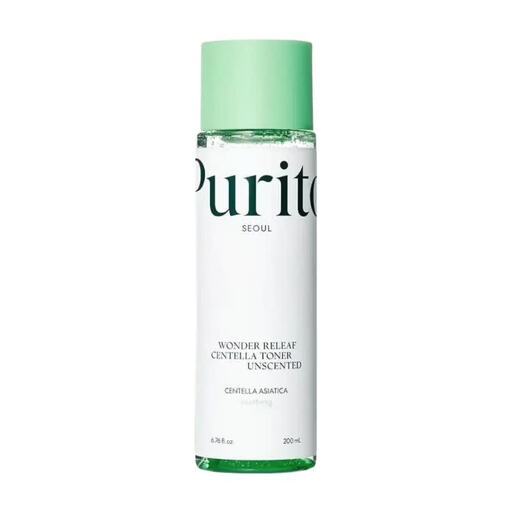
Why This Fits Their Persona: A practical starting point for UK shoppers who want a simple daily toner without fragrance or essential oils.
It avoids relying on a complicated active blend and is listed as fragrance-free, alcohol-free and essential-oil-free.
Centella Asiatica, panthenol and sodium hyaluronate; 200ml size; vegan and cruelty-free according to the product information.
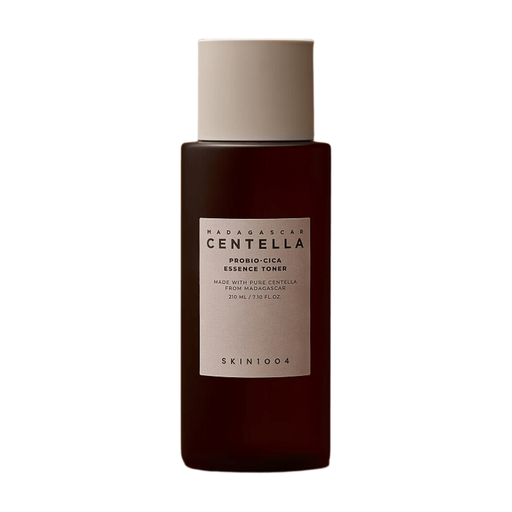
Why This Fits Their Persona: Suitable for shoppers who prefer an essence-toner texture and barrier-focused ingredients rather than a very watery finish.
Its role is clearly defined around hydration and barrier care, rather than promising a single dramatic transformation.
Contains fermented Centella, ceramide NP and several forms of hyaluronic acid; 210ml volume.
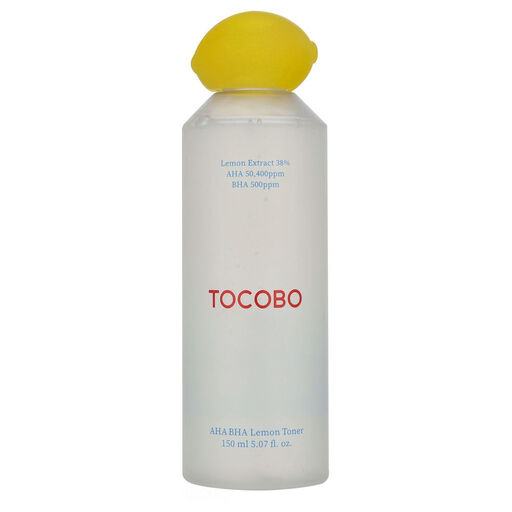
Why This Fits Their Persona: Designed for shoppers specifically seeking an exfoliating toner for oily areas, visible congestion and uneven texture.
The AHA and BHA roles are identifiable, making it easier to avoid accidentally buying a basic hydrating toner for an exfoliation-focused routine.
Contains glycolic acid, salicylic acid, panthenol, allantoin and sodium hyaluronate; labelled vegan and cruelty-free.
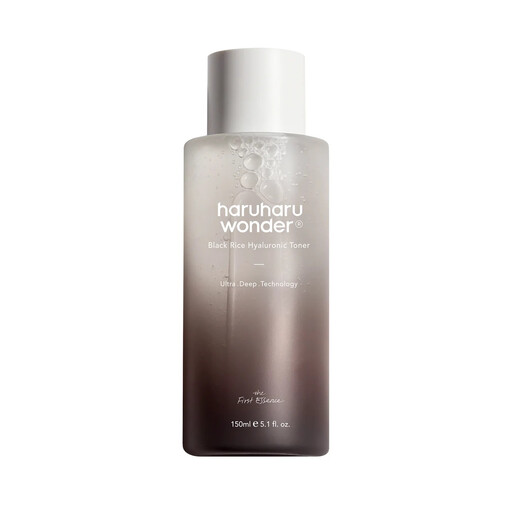
Why This Fits Their Persona: A lightweight option for people who want to layer moisture during dry indoor heating or after cleansing.
It is positioned as a daily hydrating toner, so shoppers can distinguish it from acid-based exfoliating formulas.
Includes black rice extract, hyaluronic acid and beta-glucan; lightweight watery texture; listed as vegan and cruelty-free.
After cleansing, apply a small amount to clean hands or a cotton pad, then gently pat or sweep over the face and neck. Follow with serum and moisturiser. For an acid toner, begin less frequently than the label’s maximum guidance if your skin is new to exfoliation. Use daytime broad-spectrum sunscreen when using exfoliating or brightening products.
We have compiled a complete, real-time list of products that fully satisfy these strict selection criteria and UK safety regulations.
No. A toner is optional, but it can provide extra hydration, deliver selected actives or make the transition from cleansing to serum more comfortable. A moisturiser and sunscreen remain more important routine steps.
It depends on the formula. A simple hydrating toner may suit morning and evening use, while an AHA, BHA or PHA toner may be better introduced gradually. Follow the label and avoid combining several exfoliating products without considering your skin’s tolerance.
This depends on bottle size, application method and whether you apply one layer or several. A 150ml bottle used once daily may last longer than a 200ml bottle applied in multiple layers. Keep it closed, store it away from heat and check the packaging for product-specific shelf-life information.