
24/7 全天候客户支持

免费退货

当日/次日达

品质保障

开启新人专享福利: 全场免邮 | 低至 2 折 | 免费试用 30 天 JoyPlus 会员
下载 Joybuy
Korean skincare toners range from simple hydrating waters to exfoliating acids, essence-like lotions and toner pads. That variety is useful, but it can also make shopping confusing. A product described as a “brightening toner” may mainly provide hydration, while a “pore-refining toner” may contain acids or alcohol that are not comfortable for every skin type.
Before choosing a facial toner, look beyond the front label. The ingredient list, texture, usage instructions and your existing routine matter more than dramatic promises.
Modern Korean beauty skincare products are not all designed to remove leftover cleanser or provide an astringent finish. Many are leave-on treatments intended to hydrate, soothe or exfoliate after cleansing. Applying several active products together can make a routine unnecessarily harsh.
Check whether the formula contains AHA, BHA, PHA, retinoids, vitamin C derivatives or a high level of niacinamide before adding it to an already active routine.
Botanical ingredients can feel appealing, but essential oils, citrus oils, fragrance and alcohol may still be unsuitable for reactive skin. For example, some exfoliating formulas combine acids with citrus or aromatic oils. This does not automatically make them unsuitable, but it is a reason to patch test and introduce them gradually.
If you need a toner for sensitive skin, look for a shorter ingredient list with familiar moisturising and calming ingredients such as glycerin, panthenol, betaine, centella asiatica, aloe, allantoin or ceramides.
A high percentage printed on the packaging does not tell you how the product will feel or how well it fits your routine. A brightening toner may include niacinamide or tranexamic acid, but it may also contain fragrance. An exfoliating toner may have a modest acid level yet still feel strong if your skin is dry or already sensitised.
For UK shoppers, also check the full ingredient list, directions, warnings, batch details and period-after-opening information on the packaging. Cosmetic products placed on the UK market should include appropriate safety and labelling information; product claims should not replace these practical checks.
A lightweight hydrating toner usually contains water-binding ingredients such as glycerin, hyaluronic acid, betaine or panthenol. Essence toners are often thicker and can suit dry or dehydrated skin when used under a moisturiser.
A watery facial toner may be more comfortable for oily or combination skin, particularly in warmer indoor environments. If you dislike sticky layers, avoid applying several rich essence products in succession.
Choose the active according to your concern:
Do not assume that an exfoliating toner should be used morning and night. Follow the product directions, begin less frequently if necessary and wear a broad-spectrum sunscreen during the day. Do not apply acids to broken or irritated skin.
A 150ml bottle and a 300ml bottle may offer different value depending on how much you use. Applying toner with your hands generally uses less product than soaking a cotton pad. Toner pads are convenient, but they contain a fixed number of applications and may cost more per use.
For oily or acne-prone skin, consider whether you need one targeted exfoliating toner or a gentler daily hydrating formula. Using multiple pore-refining products can create overlap without improving the routine.
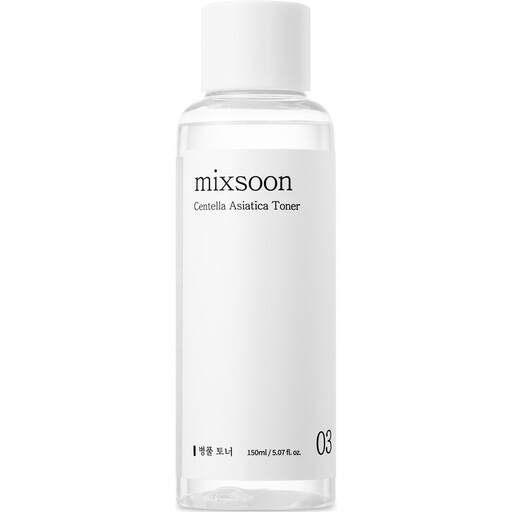
Why This Fits Their Persona: A straightforward option for someone starting a Korean skincare routine and wanting a lightweight toner without a long list of active ingredients.
The formula lists water, butylene glycol, 1,2-hexanediol and centella asiatica extract, rather than relying on a complicated active blend.
Four listed ingredients and a light texture make it easy to layer under serum and moisturiser.
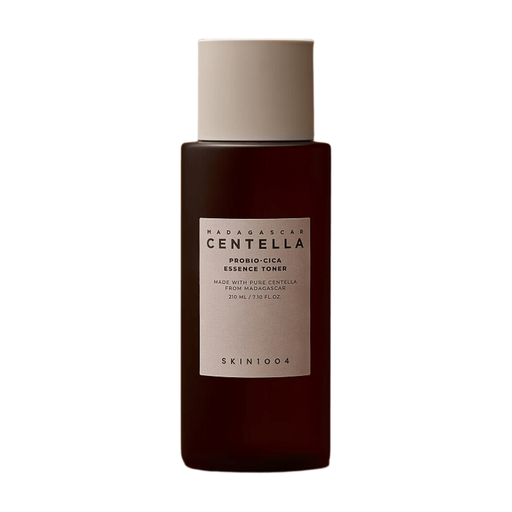
Why This Fits Their Persona: Suitable for shoppers who prefer an essence-like toner with barrier-focused ingredients and a more nourishing feel.
It combines fermented centella, panthenol, ceramide NP and several forms of hyaluronic acid, making the ingredient purpose clearer than a vague “glow” claim.
210ml size, watery-essence texture and ceramide-containing formula.
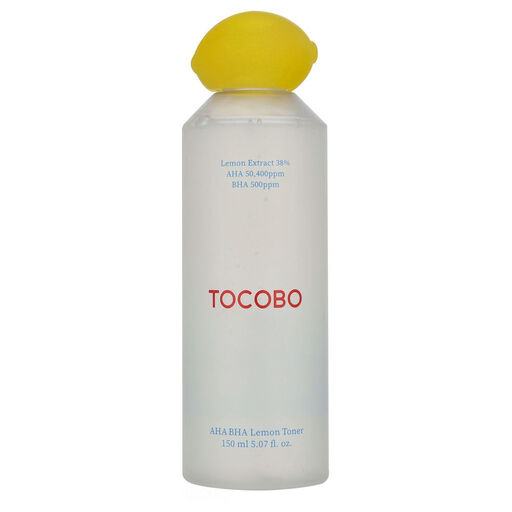
Why This Fits Their Persona: A targeted choice for shoppers managing an oily T-zone who specifically want an exfoliating toner rather than a purely hydrating step.
The ingredient list clearly identifies glycolic acid, salicylic acid and denatured alcohol, so shoppers can assess it rather than treating “clarifying” as a guarantee.
Dual AHA/BHA format with panthenol, hyaluronic acid and allantoin; patch testing and sunscreen are particularly important.
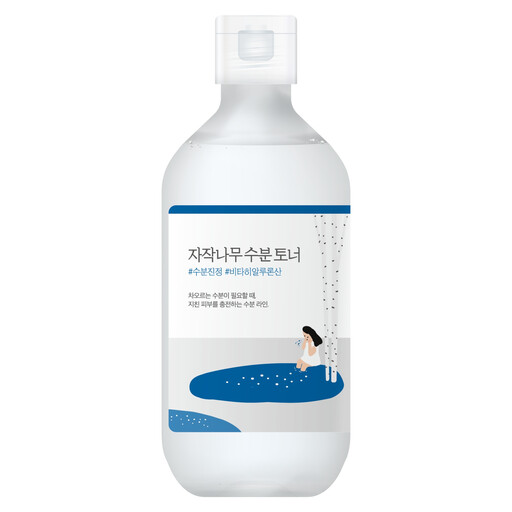
Why This Fits Their Persona: A practical daily option for dry, dehydrated or sensitive skin, especially when you want a larger bottle for regular use.
It is fragrance-free according to the supplied product information and does not rely on exfoliating acids as its main feature.
300ml format with birch juice, panthenol, dipotassium glycyrrhizate and hyaluronic acid.
We have compiled a complete, real-time list of products that fully satisfy these strict selection criteria and UK safety regulations.
Apply toner after cleansing, while the skin is clean and slightly damp if the product instructions allow. Use your palms for lightweight hydration or a cotton pad when the directions specifically recommend wiping. Follow with serum and moisturiser to reduce moisture loss.
Introduce only one new active product at a time. If you choose an exfoliating toner, start with evening use and avoid combining it immediately with other exfoliants. Stop if persistent redness, itching, swelling or burning develops, and seek appropriate medical advice where needed.
No. It is an optional skincare step. A hydrating toner can add another layer of moisture, while an exfoliating toner may support a smoother-feeling surface. If your cleanser, serum and moisturiser already meet your needs, a toner is not essential.
Look for a toner for oily skin containing ingredients such as salicylic acid, glycolic acid or gluconolactone, but select the strength and frequency carefully. A soothing toner may be more appropriate if oiliness is accompanied by tightness or sensitivity.
Usage varies. A 150ml bottle may last several weeks or longer when applied with the hands, while cotton-pad application uses more product. Store it as directed, close the cap securely and follow the packaging’s period-after-opening guidance rather than keeping it indefinitely.