
24/7 全天候客户支持

免费退货

当日/次日达

品质保障

开启新人专享福利: 全场免邮 | 低至 2 折 | 免费试用 30 天 JoyPlus 会员
下载 Joybuy
Korean skincare products cover everything from lightweight hydrating toner and barrier-strengthening skincare to toner pads, dark spot corrector formulas and complexion products. The wide choice is useful, but it can also make shopping confusing. A high ingredient percentage does not automatically mean a product suits your skin, while terms such as “pore refining” and “brightening” often describe appearance rather than permanent changes.
For UK shoppers, three common purchasing traps are worth avoiding:
Start with one priority rather than buying several products that perform similar jobs.
Ingredient lists are arranged broadly from higher to lower concentration, although this does not reveal the exact percentage of every component. A product with 2% salicylic acid, such as the Korres Poreless Skin Perfecting Toner, is a more targeted exfoliating option than a simple moisture toner.
Use exfoliating products every other day initially and observe your skin’s response. Do not apply them to broken or irritated skin, avoid the eye area and stop use if persistent redness, itching or discomfort occurs. AHA and BHA products can increase sensitivity to sunlight, so daily sunscreen is particularly important.
Fragrance and essential oils are also worth checking if you have reactive or sensitive skin. The SKINFOOD Royal Honey Propolis Enrich Toner includes several plant oils and denatured alcohol, while some fragrance-free options may be easier to fit into a minimal routine.
A rich essence toner may be comfortable in a cold, dry home but feel heavy in a heated office or during summer. Watery products generally layer easily, while milky or essence-like formulas can replace an additional lightweight moisturising step.
For toner pads, check the number of pads, seal quality and whether the container can be closed securely. A loose lid can allow pre-soaked pads to dry out. For complexion products, shade is just as important as skincare ingredients. Compare undertone and depth where possible, and remember that SPF-labelled makeup should not replace a dedicated sunscreen for prolonged outdoor exposure.
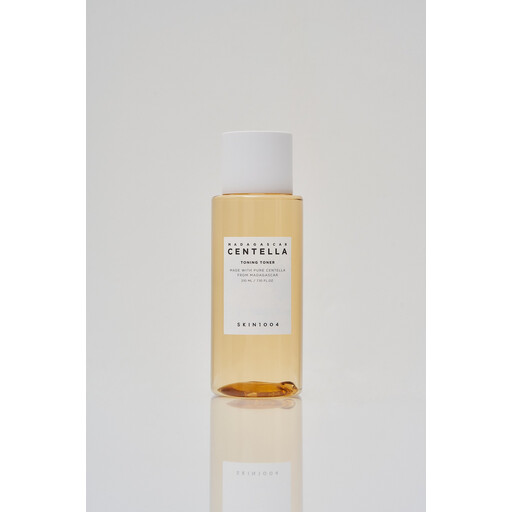
Why This Fits Their Persona: A straightforward everyday toner for shoppers who want hydration, gentle textural care and a simple morning or evening routine.
Its ingredient list identifies PHA, centella, niacinamide, betaine and hyaluronic acid, making the formula easier to assess than relying on broad “glass skin” claims.
Contains 84% centella extract, PHA and hyaluronic acid in a 210ml format for regular use.
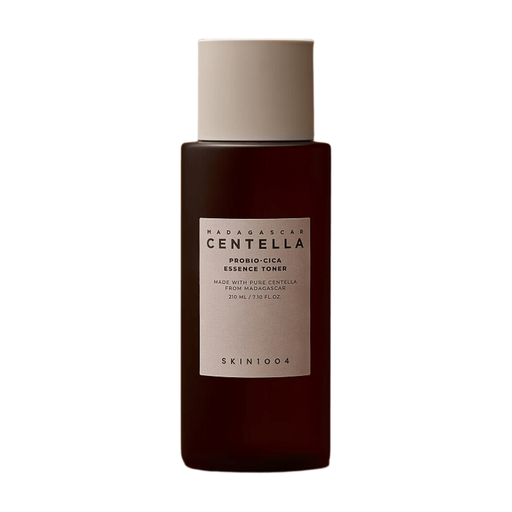
Why This Fits Their Persona: Suits shoppers seeking an essence-like toner with a more nourishing feel for dry, tight or easily unsettled skin.
The formula clearly lists ceramide NP, fermented centella, panthenol and several hyaluronic acid forms rather than relying on texture alone to suggest barrier support.
Watery-essence finish; includes ceramide NP and multi-depth hyaluronic acid.
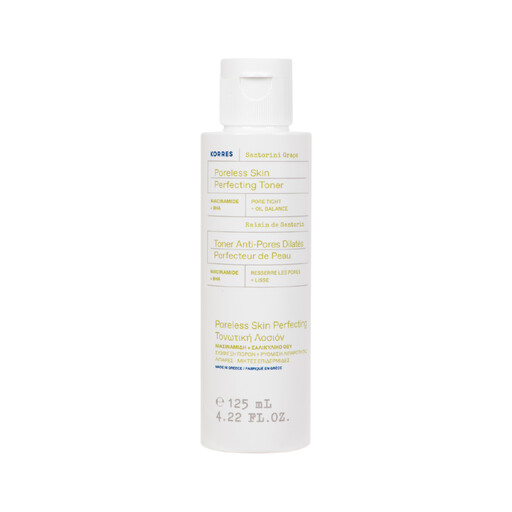
Why This Fits Their Persona: A targeted choice for combination or oily areas where visible pores, excess oil and uneven texture are the main concerns.
It specifies 2% salicylic acid and advises starting every other day, helping shoppers plan around exfoliation rather than using it continuously without checking tolerance.
Contains salicylic acid and niacinamide; 88.3% natural content is stated in the product information.
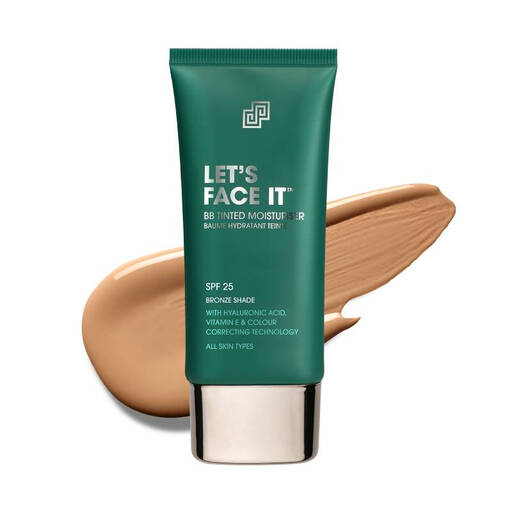
Why This Fits Their Persona: Suitable for men or anyone wanting sheer-to-medium coverage, a moisturising feel and a natural-looking finish for daily wear.
The product is available in shade variants and lists its coverage, SPF25 rating and key moisturising ingredients, so shoppers can assess it as makeup rather than a replacement for facial sunscreen.
Sheer-to-medium coverage; contains glycerin, hyaluronic acid and vitamin E, with SPF25 listed.
Keep the routine manageable: cleanse, apply one toner or toner pad, follow with a serum or moisturiser, then use sunscreen in the morning. If targeting dark spots, choose either a dark spot corrector or a brightening toner first, rather than introducing several active products at once.
For daily protection, consider an SPF 50 facial sunscreen such as L'Oréal Skin Expert Bright Reveal UV Fluid. Apply enough to cover exposed facial and neck skin, and reapply after sweating, swimming or towel drying. SPF 20 or SPF25 in a serum foundation or BB tinted moisturiser can complement a routine but should not be treated as the sole protection during extended outdoor exposure.
Patch-test new products, particularly exfoliating toner, fragranced formulas and products containing essential oils. Always check the latest packaging for ingredients, usage directions, batch information and warnings.
Look for shorter ingredient lists, fragrance-free options and ingredients such as centella, panthenol, glycerin and ceramides. Introduce one new product at a time and patch-test before applying it across the face. Even products marketed for sensitive skin can cause individual reactions.
Begin every other day or less frequently, depending on the formula and your skin’s tolerance. Avoid combining an exfoliating toner with several other acids or retinoid products until you understand how your skin responds. Use sunscreen during the day.
It depends on usage. Toner pads offer convenience and controlled application, but a bottle may provide more flexibility and less packaging per application. Compare the number of pads or volume in millilitres, and keep the container tightly sealed to reduce drying.