
24/7 Customer Support

Free returns

Same-day & Next-day Delivery

Quality Guaranteed

Unlock Your Welcome Offers: FREE Delivery | Up to 80% OFF | Free 30-day JoyPlus trial
Download the APP
Shopping for Korean snacks and food online can be an easy way to explore Korean crisps, seaweed snacks, sauces and street-food favourites. However, attractive packaging does not always tell you whether a product suits your taste, storage space or dietary requirements.
Before adding items to your basket, check three common pitfalls:
For UK shoppers, allergen information should be a priority. Common ingredients in Korean food include wheat, soya, sesame, fish, crustaceans, egg and milk. Korean shrimp crackers and Korean shrimp crackers with chilli seasoning may contain shrimp, anchovy or other fish ingredients, even when the seafood flavour seems mild.
If you want a savoury snack without seafood, compare the ingredient list carefully. Onion ring snacks, for example, can contain wheat and sesame but no listed crustacean ingredient. Conversely, seaweed snacks may include sesame oil, soya sauce or fish traces depending on the product.
For cooking, Korean soybean paste brings fermented savoury depth, while Korean gochujang generally adds a sweet, spicy and rich chilli flavour. These pastes are concentrated, so a small spoonful can influence an entire bowl of noodles, stew or rice.
Storage affects both safety and texture:
Think about delivery timing and freezer capacity before ordering frozen Korean street food. A multi-pack may be convenient, but only if you can store it safely.
Preparation instructions can change the eating experience. Air-frying or oven-heating often helps restore crispness to Korean corn dogs and pre-cooked Korean fried chicken, whereas microwaving may create a softer coating.
Also compare the number of portions. Individually packed seaweed is useful for lunchboxes and office snacks, while a larger bag of chicken suits families or group meals. Nutrition information is normally listed per 100g, so use the net weight and serving size to estimate how much you will actually eat.
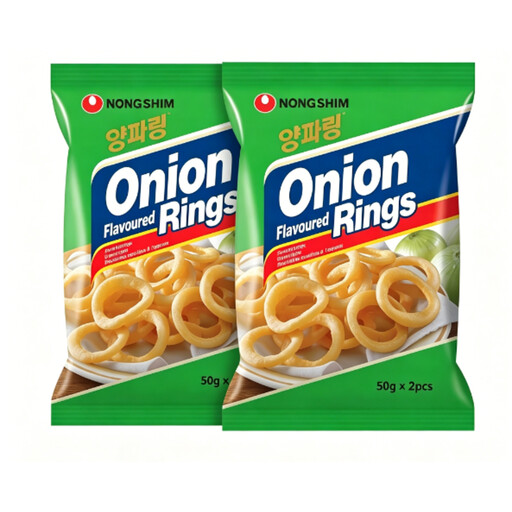
Why This Fits Their Persona: A small two-pack is a straightforward entry point for students, families and shoppers trying Korean snacks UK options without committing to a large quantity.
The product information identifies wheat and sesame allergens and gives clear cool, dry storage guidance, helping buyers check suitability before opening.
Two 50g packs; ready to eat; onion seasoning and a light ring-shaped crunch.
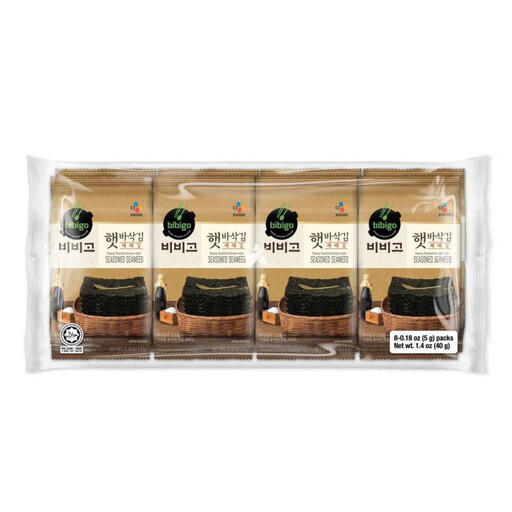
Why This Fits Their Persona: Individual portions suit shoppers who value freshness, portability and a more organised way to enjoy Korean seaweed snacks with rice, noodles or lunchbox meals.
Eight 5g packs reduce the need to leave a larger opened packet exposed to air and moisture. The listed allergens include soya, wheat and sesame.
Roasted laver; eight individual portions; ready to eat or crumble over rice and soup.
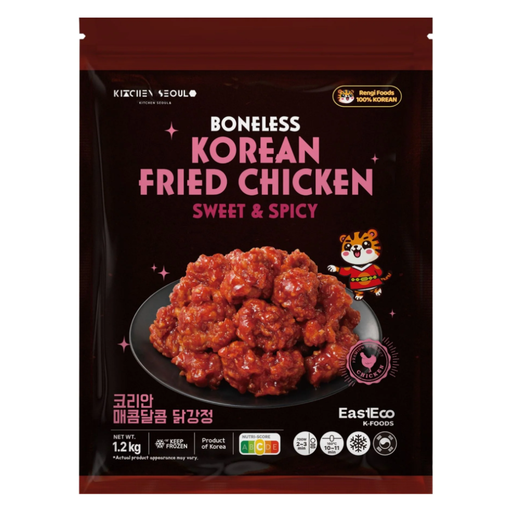
Why This Fits Their Persona: A larger frozen pack is suited to households, parties and home cooks recreating Korean fried chicken or Korean street food over multiple meals.
The listing states a -18°C or below storage requirement and advises against refreezing after thawing, making the freezer commitment clear before purchase.
1.2kg quantity; boneless pieces; spicy-sweet glaze; suitable for oven or air-fryer preparation according to the product information.
For a balanced order, combine an immediate snack with ingredients for home cooking. Korean shrimp crackers or Korean crisps provide ready-to-eat texture, while seasoned seaweed can accompany rice. A 500g tub of Korean soybean paste works in doenjang-style stews, marinades and vegetable dips. Korean gochujang can be used in bibimbap, tteokbokki-style dishes and spicy sauces.
If you prefer convenient street food, compare Korean corn dogs, Korean bungeoppang and frozen fried chicken by pack size, cooking method and freezer requirements. Check whether a product contains mozzarella, fish sausage, chicken, egg or wheat before serving it to family members or guests.
We have compiled a complete, real-time list of products that fully satisfy these strict selection criteria and UK safety regulations.
Some are, but check the texture, shape and allergen information first. Crunchy crackers and thin seaweed may present choking concerns for younger children. Follow the product’s age and safety guidance, and supervise children while eating.
Dry snacks are usually most enjoyable immediately after opening. Reseal them tightly or transfer them to an airtight container, then store them away from heat and moisture. Opened pastes should be refrigerated according to the label.
The main practical cost is freezer space and cooking energy. Choose individually portioned or smaller packs if you cook for one or two people; larger packs can offer more flexibility for families, provided they can be stored safely and used before the best-before date.