
24/7 Customer Support

Free returns

Same-day & Next-day Delivery

Quality Guaranteed

Unlock Your Welcome Offers: FREE Delivery | Up to 80% OFF | Free 30-day JoyPlus trial
Download the APP
Korean soju is now widely available in the UK, from traditional clear spirits to fruit-flavoured bottles and zero-sugar options. However, a colourful label or familiar brand name does not always tell you what the drink will taste like, how strong it is or whether it suits your plans.
Before you buy Korean soju, watch for three common traps:
The practical solution is to compare ABV, bottle size, ingredients, allergens, sugar content and serving style before adding a bottle to your basket.
Alcohol by volume, shown as ABV, is the quickest way to compare Korean spirits. A 350ml bottle at 13% ABV contains approximately 4.55 UK units, while a 360ml bottle at 16.5% ABV contains approximately 5.9 units. A 375ml bottle at 25% ABV contains approximately 9.38 units.
This matters because flavoured Korean soju may be easy to sip, yet it is still alcoholic. Check the product page and bottle label rather than judging strength by flavour. Do not drink and drive, and do not consume alcohol during pregnancy. UK adults are advised not to regularly exceed 14 units per week.
The standard options in this range are relatively compact:
A smaller bottle can help avoid opening more alcohol than you intend to serve. Once opened, flavoured products are generally more enjoyable when kept refrigerated and consumed within a reasonable period.
Original Korean soju usually offers a clean, lightly sweet and neutral profile. This makes it useful with rich dishes or in mixed drinks. Flavoured Korean soju, by contrast, adds fruit flavouring, juice concentrate, sugar or sweeteners. Plum, peach, grapefruit, lemon, strawberry, green grape and melon each create a different level of sweetness and acidity.
Always check the ingredient list for allergens. For example, Muhak Good Day Original Soju lists barley and wheat, while Kooksoondang Bek Se Ju contains wheat through its fermentation starter. Some Jinro flavoured varieties list no allergens, but packaging can vary by market, so the label remains the final reference.
Korean rice wine is a separate category from distilled soju. Rice wines such as yakju are fermented and can have a fuller, more grain-led or herbal taste. Kooksoondang Bek Se Ju, for example, is a traditional herbal rice wine rather than a standard clear soju.
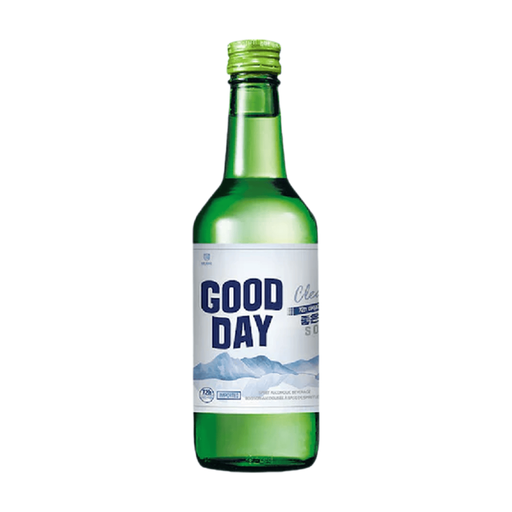
Why This Fits Their Persona: A straightforward entry point for UK shoppers who want a classic Korean soju format without committing to a fruit flavour. At 16.5% ABV, it can be served chilled, paired with Korean food or used in simple mixed drinks.
Its ABV, 360ml quantity and listed ingredients are clearly specified, helping you compare it with lighter flavoured bottles rather than relying on taste alone.
Neutral profile; suitable for chilled serving, cocktails and dishes such as kimchi stew, grilled meat and seafood pancakes.

Why This Fits Their Persona: Intended for shoppers seeking a stronger, rice-based spirit with a more pronounced traditional character. Its 25% ABV suits measured pours alongside a Korean meal or a formal gift.
The 25% ABV is prominent, so its stronger profile is not mistaken for a light, easy-sipping flavoured drink.
Made using distilled alcohol from rice; recommended serving temperature is 8–10°C.
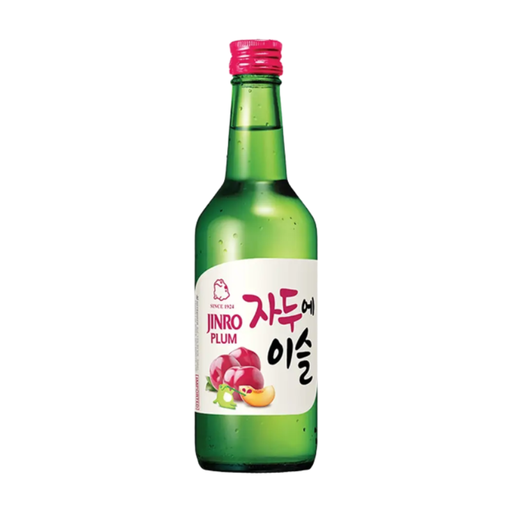
Why This Fits Their Persona: Plum brings a sweet-tart fruit character to a 13% ABV soju, making this a practical choice for newcomers who prefer approachable flavours with Korean fried chicken, barbecue or soda.
The 13% ABV and 4.55 UK units per bottle are stated clearly, preventing the fruit profile from disguising its alcohol content.
350ml serving size; can be served chilled, freezer-cold or lengthened with soda.
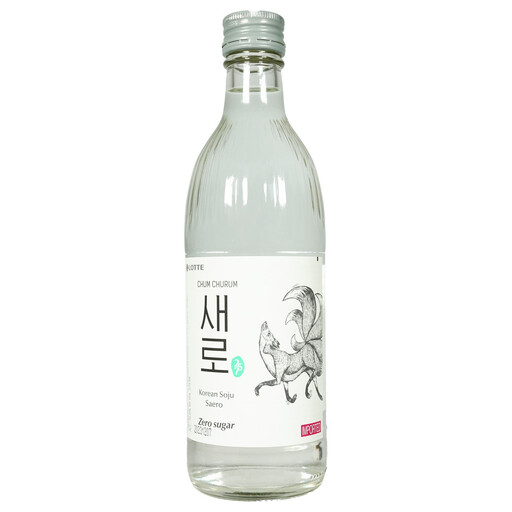
Why This Fits Their Persona: A 16% ABV option for customers specifically comparing zero-sugar soju labels, with a neutral profile that works alongside spicy stews, bulgogi and fried chicken.
Its listed nutrition information shows 0g carbohydrate and 0g sugar per 100ml, while the 16% ABV keeps the alcohol strength visible.
375ml bottle; no listed sugar or carbohydrate; suitable for chilled serving or cocktails.
We have compiled a complete, real-time list of products that fully satisfy these strict selection criteria and UK safety regulations.
Soju is commonly served chilled, either straight from the fridge or in small glasses. Fruit varieties can also be mixed with soda water, citrus or ice. Original soju provides a more neutral base for cocktails, while premium Korean soju is generally more appropriate for slower, measured sipping.
Store unopened bottles in a cool, dry place away from direct sunlight. Check the packaging for the relevant shelf-life information. Refrigerate flavoured soju after opening if instructed on the label, and avoid serving alcohol to anyone under 18. Joybuy may apply age-verification requirements at checkout and delivery.
Usually, yes. The products listed here range from 13% to 25% ABV, whereas ordinary beer is commonly lower in alcohol percentage. Because soju is often served in small glasses and flavoured bottles can taste sweet, measure your intake by UK units rather than flavour.
Jinro is a brand with several styles, including Chamisul Fresh, Classic and fruit-flavoured varieties. “Original Korean soju” describes a style rather than one specific brand: it generally means a clear, relatively neutral expression without a prominent fruit flavour. Compare the ABV and ingredients of each bottle before buying.
A neutral bottle such as Muhak Good Day Original Soju or Jinro Chamisul Fresh can provide a flexible base. Fruit varieties such as plum, lemon, peach, grapefruit or green grape add flavour without requiring many extra ingredients. Always count the alcohol from the soju when preparing mixed drinks and serve responsibly.