Navigating the world of Korean cooking can be an exciting journey, but finding the right ingredients is key. If you've ever found yourself standing in an aisle wondering which tub of Korean soybean paste is the right one for your stew or barbecue, you're not alone. This guide is designed to help you understand the different types of paste available and choose the one that best suits your culinary needs, without the marketing fluff.
We'll explore the essential pastes that form the flavour backbone of countless Korean dishes, from hearty stews to savoury dips. Let's find the perfect addition to your pantry.
Choosing Your Korean Soybean Paste: A Practical Guide
Before you add a product to your basket, it helps to know what you're looking for. The world of fermented soybean paste is diverse, but a few key distinctions can make your choice much simpler.
1. Understand the Core Types: Doenjang vs. Ssamjang
The most common point of confusion is the difference between Doenjang and Ssamjang. While both are soybean-based, they serve very different purposes.
- Doenjang (??): This is the foundational fermented soybean paste. Made primarily from soybeans and brine, it has a deep, salty and intensely savoury umami flavour. It is the essential ingredient for classic dishes like doenjang jjigae (soybean paste stew). If a recipe calls for a Korean paste for stew, this is what you need. Its robust flavour is meant to be cooked into dishes.
- Ssamjang (??): This is a seasoned dipping paste. It starts with a base of doenjang and gochujang (Korean chilli paste) and is enhanced with ingredients like garlic, onion and sesame oil. It's ready to eat straight from the tub and is the classic Korean dipping sauce served with grilled meats like samgyeopsal (pork belly). If you're looking for a versatile samgyeopsal sauce, ssamjang is the ideal choice.
2. Check the Ingredients for Authenticity
For those seeking authentic Korean ingredients, the ingredients list offers valuable clues. Traditional doenjang often has a very simple list: soybeans, water and salt. Seasoned pastes like ssamjang will naturally have a longer list including garlic, onion and various seasonings. Checking the soybean content can also give you an idea of the paste's richness and depth.
3. Consider Your Primary Use
Think about what you plan to cook most often.
- For Stews and Soups: A pure, unseasoned doenjang gives you a blank canvas to build complex flavours from scratch. It is the definitive doenjang jjigae paste.
- For Dips, Wraps and Quick Meals: A pre-seasoned ssamjang is incredibly convenient. It's ready to serve with grilled meats and fresh vegetables, or it can be used to add a quick flavour boost to stir-fries.
Our Top Product Recommendations
Here are a few carefully selected options available in the UK, each suited for different culinary applications.
CJ Seasoned Soybean Paste (Sa Gae Jeol) 500g
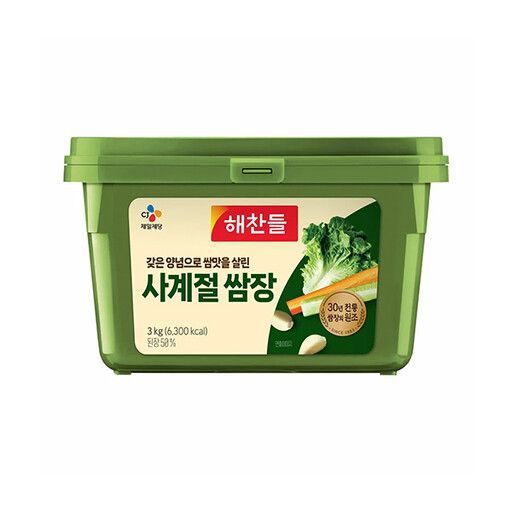
- Why It Stands Out: This is a classic example of a versatile, seasoned paste (ssamjang). It expertly balances the savoury depth of soybean paste with garlic, onion and a touch of sweetness. It removes the guesswork, providing a perfectly balanced flavour profile straight from the tub.
- Pros: Ready to use with no extra preparation needed. Its smooth, spreadable texture makes it an excellent dipping sauce. The 500g tub offers great value for regular use.
- Who is it for?: Ideal for anyone hosting a Korean barbecue or looking for a convenient and flavourful samgyeopsal sauce. It's also a great all-rounder for adding a savoury kick to wraps and stir-fries.
CJ Seasoned Soybean Paste 170g
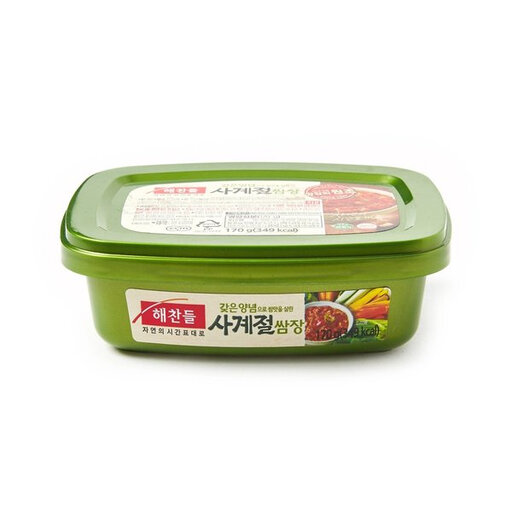
- Why It Stands Out: This product offers the rich, savoury flavour of seasoned soybean paste in a smaller, more convenient package. While seasoned, its profile is robust enough to serve as a flavour base for quick stews and marinades, as well as a dip.
- Pros: The 170g size is perfect for smaller households, occasional use or for those trying seasoned paste for the first time. It's a versatile paste that can be used for both cooking and dipping.
- Who is it for?: A great choice for home cooks who want a multi-purpose Korean soybean paste without committing to a large tub. It's suitable for adding depth to a quick stew or using as a simple marinade.
Chung Jung One Jaerae Soybean Paste 500g
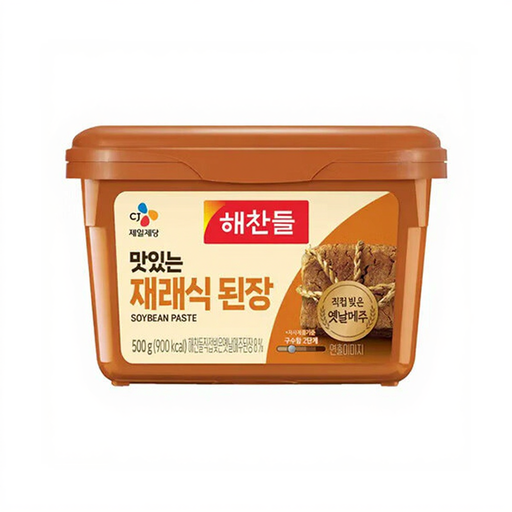
- Why It Stands Out: This is a traditional doenjang, crafted for cooking. Its primary flavour is a deep, salty umami derived from its high soybean content (94%). This paste provides the authentic, foundational flavour required for genuine Korean stews.
- Pros: Delivers a rich and complex flavour that is essential for authentic doenjang jjigae. It is vegetarian-friendly and allows the cook full control over the final seasoning of their dish.
- Who is it for?: This is the paste for the home cook dedicated to recreating traditional Korean recipes from scratch. If your goal is to make an authentic Korean paste for stew, this is an excellent choice.
Looking for Other Options?
If these recommendations aren't quite what you're looking for, or if you'd like to explore different brands and sizes, there are many more options to discover.
? Explore our full range of authentic Korean soybean paste to find the perfect match for your kitchen.
Frequently Asked Questions
What is the difference between doenjang and ssamjang?
Doenjang is a pure, fermented soybean paste used primarily for cooking, especially in stews like doenjang jjigae. It has a strong, salty and savoury flavour. Ssamjang is a seasoned dipping sauce made from a base of doenjang and other ingredients like gochujang, garlic and sesame oil. It's ready to eat and is typically served with grilled meat and vegetable wraps.
How should I store Korean soybean paste?
Unopened containers should be stored in a cool, dry place away from direct sunlight. Once opened, the paste must be sealed tightly and kept in the refrigerator. It's best to use a clean, dry spoon each time to prevent contamination. The paste will darken over time due to oxidation, which is normal and does not affect its safety, though the flavour may become deeper.
Can I use Korean soybean paste instead of Japanese miso?
While both are fermented soybean pastes, they have distinct flavour profiles. Korean doenjang is typically saltier, more pungent and has a coarser texture than most types of miso. Miso is often milder and can be sweeter. You can substitute them in a pinch, but the final taste of your dish will be noticeably different. For an authentic Korean flavour, it is always better to use doenjang.


