
24/7 Customer Support

Free returns

Same-day & Next-day Delivery

Quality Guaranteed

Unlock Your Welcome Offers: FREE Delivery | Up to 80% OFF | Free 30-day JoyPlus trial
Download the APP
A Korean sunscreen SPF50 product can offer an elegant, lightweight alternative to heavier traditional formulas. However, attractive packaging and skincare-style claims do not automatically mean a formula suits your skin, routine or the UK climate.
The most useful way to compare a K-beauty sunscreen is to check its protection rating, filter type, finish, ingredients and reapplication practicality. This guide highlights common buying traps and matches several options to different needs.
SPF mainly indicates protection against UVB, the rays associated with sunburn. It does not provide the full picture of UVA protection, which is linked to tanning and longer-term photodamage.
For everyday use, check for:
A product labelled SPF50 is not a reason to apply less. Using too little reduces the protection you receive.
Many Korean facial sunscreens are designed for comfortable daily wear, including commuting, office use and wearing under make-up. A lightweight or serum-like texture does not necessarily mean the product is water- or sweat-resistant.
Unless the packaging specifically states otherwise, assume you need to reapply after:
For beach days, walking holidays or outdoor sport, prioritise the product’s current packaging instructions rather than relying on texture or marketing language.
Chemical formulas often dry clear, while mineral sunscreen containing zinc oxide can leave a visible cast on some complexions. Tinted formulas use pigments to reduce this effect, but the shade still needs to suit your undertone.
A tint may also transfer to clothing, appear warmer in daylight or provide less coverage than foundation. Treat tinted sunscreen as a light complexion product, not a replacement for a full base.
Choose SPF50 or SPF50+ sunscreen when you want high daily protection, particularly for prolonged outdoor exposure. PA++++ can be useful if UVA protection is a priority, although PA+++ remains a commonly used rating.
Apply sunscreen as the final step of your morning skincare routine. A practical face-and-neck application is often described as approximately two finger lengths, but always follow the product label. Apply evenly to the face, ears, neck and other exposed areas, then reapply as directed.
People with reactive skin should check the full ingredient list. Fragrance, essential oils, alcohol and certain botanical extracts may not suit everyone. A patch test is sensible, especially when trying a new product.
Skin type should guide the texture:
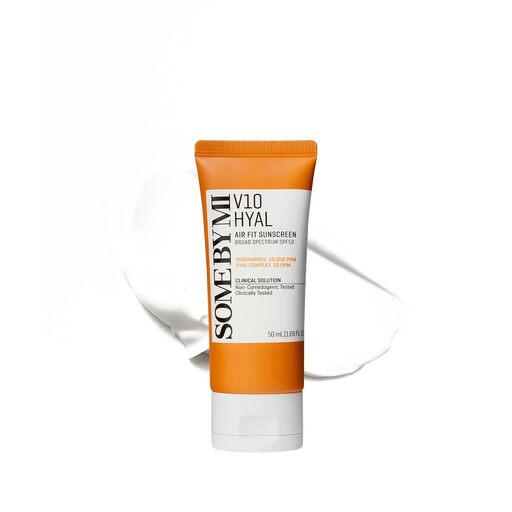
Why This Fits Their Persona: A straightforward daily option for shoppers wanting SPF50, hydration and a light lotion texture for commuting or everyday errands in the UK.
Its listed lightweight, non-greasy formula is designed to avoid a heavy finish, while the product information states that it dries without a white cast.
SPF50 protection; hyaluronic acid, panthenol and sodium hyaluronate are listed among the ingredients.
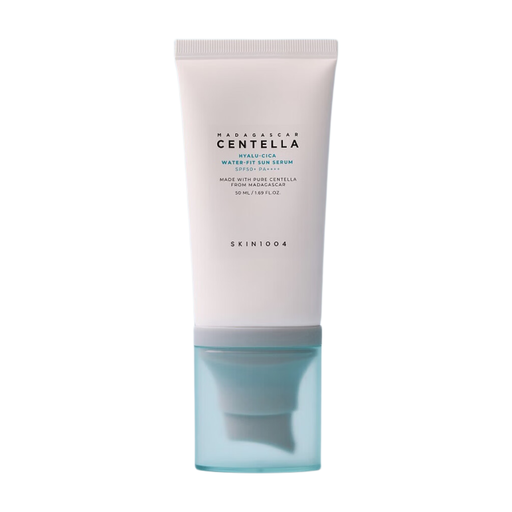
Why This Fits Their Persona: Suitable for shoppers prioritising a serum-like texture, high UVA grading and a make-up-friendly finish during daily UK routines.
The listed formula is fragrance-free and alcohol-free, and its product information clearly notes that it is not water- or sweat-resistant.
SPF50+ PA++++; watery texture with centella asiatica and hyaluronic acid listed.
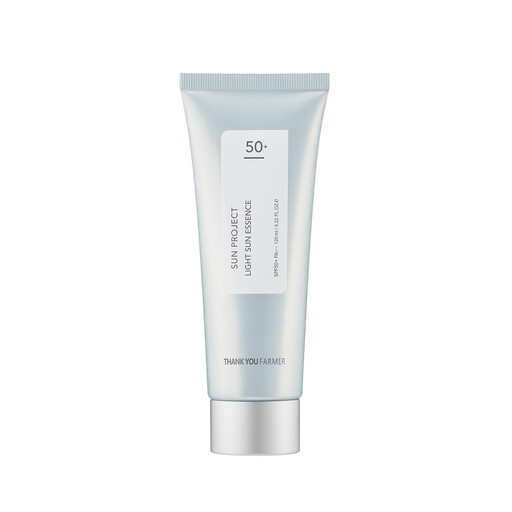
Why This Fits Their Persona: The larger 120ml format is practical for frequent users who apply sunscreen to the face, neck and exposed body areas.
Its product information presents it as a lightweight essence, but still instructs users to reapply after swimming, sweating or towel drying.
SPF50+ PA+++; 120ml size with aloe, lotus water and soybean lipids listed.
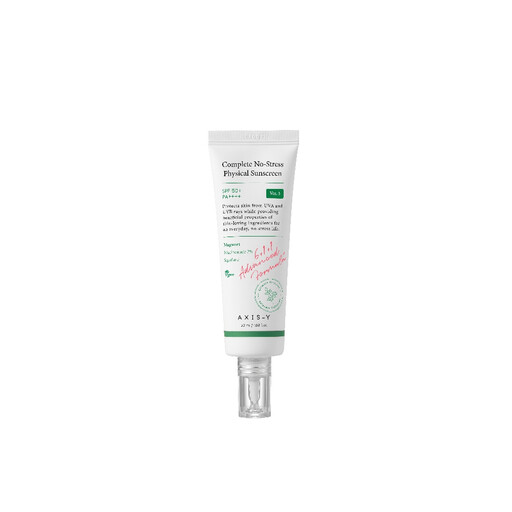
Why This Fits Their Persona: A mineral SPF option for people who prefer zinc oxide and want a fragrance-free formula suitable for daily wear under make-up.
The listed zinc oxide formula is fragrance-free, and the instructions advise patch testing and avoiding damaged or irritated skin.
SPF50 PA++++; zinc oxide, centella, mugwort, squalane and hyaluronic acid are listed.
We have compiled a complete, real-time list of products that fully satisfy these strict selection criteria and UK safety regulations.
It can be suitable for daily use when the product has an appropriate SPF and UVA rating, is applied generously and is reapplied when needed. UK weather does not eliminate UV exposure, particularly during brighter days or extended time outdoors.
Lightweight serum, essence and fluid formulas are generally easier to layer under make-up than rich creams. SKIN1004 Water-Fit Sun Serum and Thank You Farmer Light Sun Essence are listed with lightweight textures, but allow either product to settle before applying foundation.
The usable period varies by product and storage conditions. Check the packaging for the period-after-opening symbol, expiry information and batch details. Replace sunscreen if its colour, smell or texture changes, or if it has been stored in excessive heat or direct sunlight.