
24/7 Customer Support

Free returns

Same-day & Next-day Delivery

Quality Guaranteed

Unlock Your Welcome Offers: FREE Delivery | Up to 80% OFF | Free 30-day JoyPlus trial
Download the APP
Korean toner pads are a convenient way to combine parts of a skincare routine in one pre-soaked product. Depending on the formula, they can provide hydration, gentle exfoliation, brightening care or a short contact treatment for areas that feel dry.
However, attractive packaging and phrases such as “glass skin”, “pore care” and “firming” do not tell you whether a product suits your routine. Before buying, check the pad material, active ingredients, storage requirements and directions for use. The right choice depends less on popularity and more on how your skin behaves.
“Daily” can describe a product’s intended routine, not a guarantee that every skin type will tolerate it every day. Exfoliating toner pads containing AHA, BHA or PHA may feel useful on rough or oily skin, but frequent use can be uncomfortable for some people, particularly when combined with other exfoliating products.
If your routine already includes acids, retinoids or strongly fragranced products, avoid automatically adding another active step. Start slowly and follow the product instructions.
Gel toner pads may feel cool when first applied, especially when used as a short mask. That sensation is temporary. It does not by itself indicate that the skin barrier has been supported or that moisture will last throughout the day.
For dry or sensitive skin, look for humectants such as glycerin, panthenol and hyaluronic acid, alongside barrier-supporting ingredients such as ceramides. A thick, essence-rich pad can also be more practical for targeted application than a thin wipe.
Pre-soaked facial pads can dry out if the lid is not closed tightly. Picking up pads with bare fingers can also transfer dirt into the container. Use the supplied tweezers where provided, keep the lid secure and check the packaging for batch, shelf-life and storage information.
UK shoppers should also check that the product packaging includes appropriate responsible-person and ingredient information for the UK market. Cosmetics are not medicines, so avoid treating claims about pores, redness or ageing as medical outcomes.
Choose the formula according to your primary aim:
Embossed cotton pads can provide more physical contact, while smooth or gel pads are often more comfortable for leave-on use. A split-friendly pad can be useful for placing pieces on the cheeks or forehead.
Check whether the product is designed for:
More essence is not always more practical. A heavily saturated pad may be useful for dry areas, but it can feel excessive under make-up or leave residue if too much product is applied.
Read the full ingredient list rather than relying only on the front label. If a toner pad includes acids, fragrance, essential oils or retinol, introduce it carefully and avoid using it on broken or inflamed skin. Patch testing on a small area is a sensible precaution.
Use sunscreen during the day when exfoliating products form part of your routine. Stop using a product if you experience persistent burning, swelling, rash or unusual discomfort, and seek appropriate medical advice where necessary.
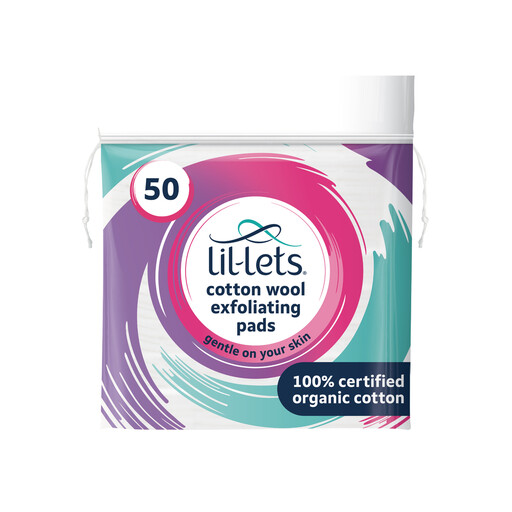
Why This Fits Their Persona: A straightforward option for shoppers who want cotton exfoliating pads without committing to a pre-soaked active formula. They can be used with a toner already in your routine.
It avoids paying for ingredients you may not need and lets you control which toner is applied.
50 cotton pads; flexible for use with an existing toner or essence.
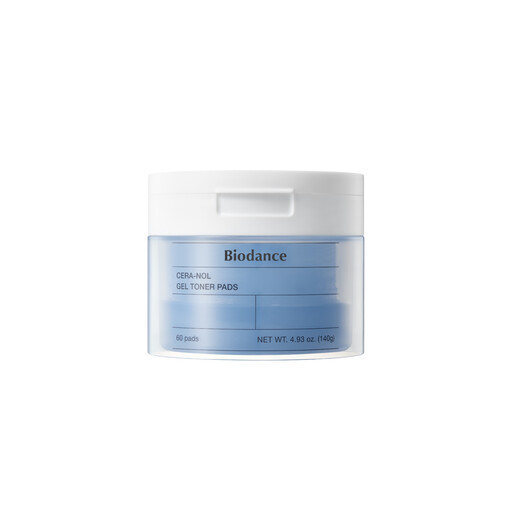
Why This Fits Their Persona: Suits shoppers prioritising a soft gel feel and a hydration-focused step for dry or easily uncomfortable skin.
Its ingredient list clearly includes five ceramides, panthenol, glycerin and hyaluronic acid, rather than relying only on a cooling sensation.
Triple-layer gel structure; 60 pads; can be used as a three-to-five-minute targeted mask.
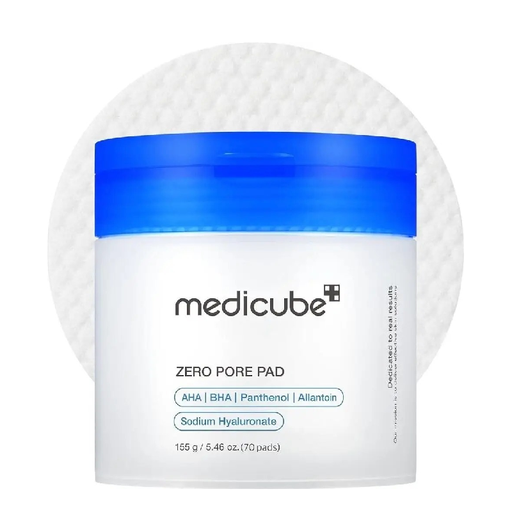
Why This Fits Their Persona: Designed for shoppers focusing on excess oil, uneven texture and the appearance of enlarged pores in a regular routine.
It identifies AHA and salicylic acid in the ingredient list, so buyers can make an informed choice instead of assuming every pore pad is merely hydrating.
Dual-textured pad; contains AHA, BHA and panthenol; 70 pads per container.
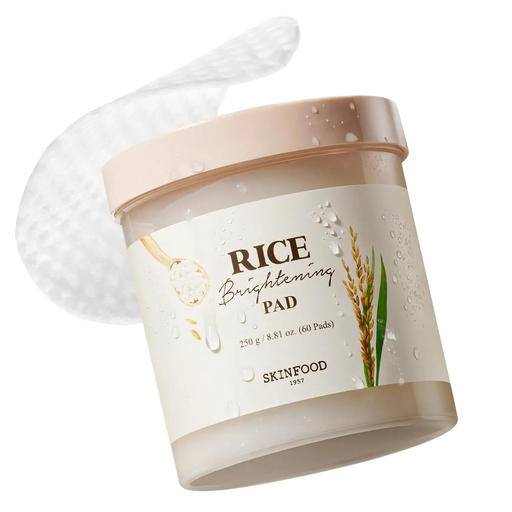
Why This Fits Their Persona: A practical match for people wanting hydration, gentle surface smoothing and a fresher-looking complexion in one step.
It combines niacinamide and panthenol with PHA and protease, making the exfoliation approach visible from the stated formula.
Contains gluconolactone PHA; 60 cotton pads; suitable for targeted mini-mask use according to the product directions.
We have compiled a complete, real-time list of products that fully satisfy these strict selection criteria and UK safety regulations.
Avoid applying pads directly over cuts, active irritation or the eye and lip areas. Close jars and pouches immediately after use to reduce evaporation.
Some are, but suitability depends on the complete formula and your individual triggers. Hydrating gel toner pads containing panthenol, ceramides and hyaluronic acid may be more appropriate than acid-based options for easily uncomfortable skin. Patch test first and stop if irritation develops.
This varies by product and packaging. Follow the period-after-opening symbol and storage instructions on the container. In practical terms, a jar may last several weeks when used once daily, but pads can dry out sooner if the lid is left loose or the container is stored near heat or direct sunlight.
They can streamline a routine, but not every pad performs both functions. Hydrating pads mainly add essence, while exfoliating toner pads contain acids or enzymes intended for surface smoothing. Check the ingredient list and avoid layering several exfoliating steps unless your skin tolerates them.