
24/7 Customer Support

Free returns

Same-day & Next-day Delivery

Quality Guaranteed

Unlock Your Welcome Offers: FREE Delivery | Up to 80% OFF | Free 30-day JoyPlus trial
Download the APP
A Korean toner can be a simple hydrating step or a more active treatment for oiliness, dullness and uneven texture. The challenge is knowing which formula suits your routine rather than paying for attractive packaging, long ingredient lists or vague promises.
For UK shoppers, the right choice depends on your skin concern, tolerance for active ingredients and how the product fits with cleanser, serum, moisturiser and sunscreen. This guide explains the main buying pitfalls, the ingredients worth checking and our top recommendations for different user profiles.
A product may feature dozens of botanical extracts, but the most relevant ingredients are often near the beginning of the INCI list. For hydration, look for ingredients such as glycerin, betaine, panthenol, hyaluronic acid and sodium hyaluronate. For barrier support, ceramides and soothing ingredients such as Centella Asiatica can be more useful than an extended list of minor extracts.
A longer list does not automatically mean better performance or better value.
An AHA BHA toner can help improve the appearance of rough texture and congested pores, but combining several exfoliating products may leave skin feeling tight or irritated. Glycolic acid and other AHAs work mainly on the skin’s surface, while salicylic acid, a BHA, is commonly selected for oily or congested areas.
Start with occasional use, follow the product instructions and avoid applying acids to broken or irritated skin. Since AHAs can increase sensitivity to sunlight, use a broad-spectrum sunscreen during the day.
Sensitivity varies from person to person. A toner labelled for sensitive skin may still contain ingredients that do not suit everyone, including fragrance, essential oils, alcohol or exfoliating acids. Check the current packaging and full ingredient list, and carry out a patch test before applying a new facial toner across your face.
For persistent redness, discomfort or a skin condition, seek advice from a qualified healthcare professional rather than relying on cosmetic products.
Do not judge an exfoliating toner by the ingredient name alone. Check whether it contains one acid or several, whether the product recommends daily or occasional use and whether the formula includes fragrance or alcohol. Avoid layering it immediately with other strong exfoliants until you know how your skin responds.
Watery toners are convenient for layering, while essence-style formulas can provide a more cushioned finish for dry skin. Mist products are useful for quick application, but spraying around the eyes should be avoided. Toner pads are convenient for targeted use, although wiping can create unnecessary friction if applied too firmly.
UK shoppers should also check the responsible person details, batch information, usage directions and warnings on the packaging. Cosmetic products sold in the UK should have appropriate safety and labelling information. Always follow the label supplied with the product, as formulations can change.
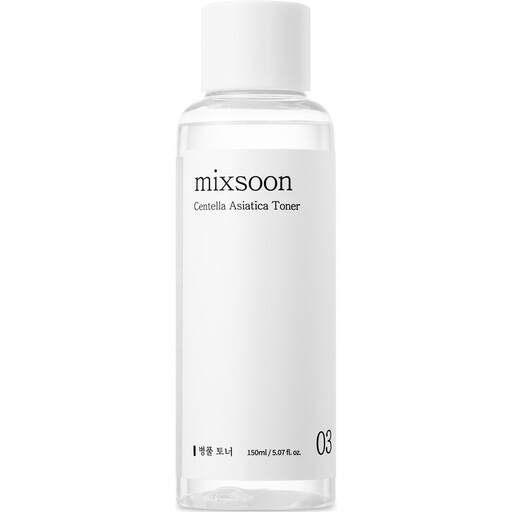
Why This Fits Their Persona: A straightforward option for anyone building a first Korean skincare routine and wanting a lightweight toner for everyday use in the morning and evening.
Its listed formula is short, with Centella Asiatica Extract as the featured ingredient, making it easier to assess than a toner built around numerous actives.
Centella-focused formula; can be applied by patting or gentle wiping.
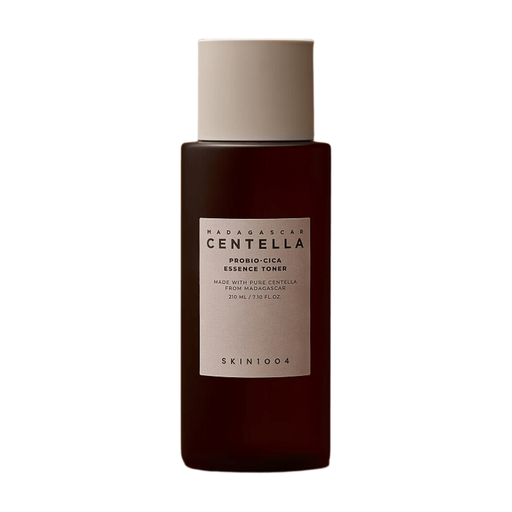
Why This Fits Their Persona: A suitable choice for shoppers who prefer an essence-like toner with barrier-focused ingredients and a more nourishing finish.
The formula combines fermented Centella Asiatica, panthenol, ceramide NP and several forms of hyaluronic acid rather than relying on a single headline ingredient.
Watery-essence texture; includes ceramide NP and panthenol for a moisture-focused routine.
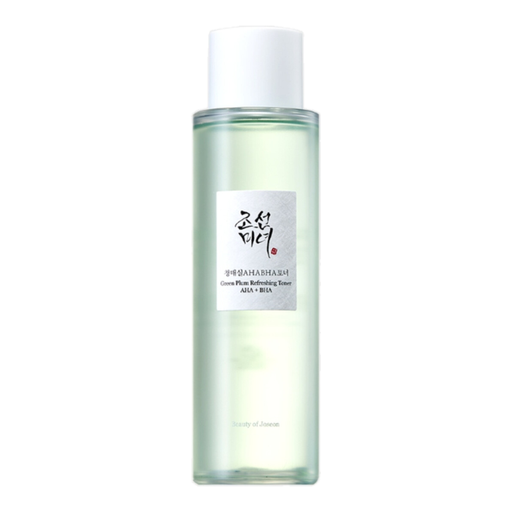
Why This Fits Their Persona: Designed for shoppers prioritising texture and pore-care steps, particularly those with oily or congested areas.
The product clearly identifies its exfoliating blend: glycolic acid at 3% and salicylic acid at 0.5%, so users can plan its place in their routine.
Contains both AHA and BHA; water-light texture with green plum water and mung bean extract.
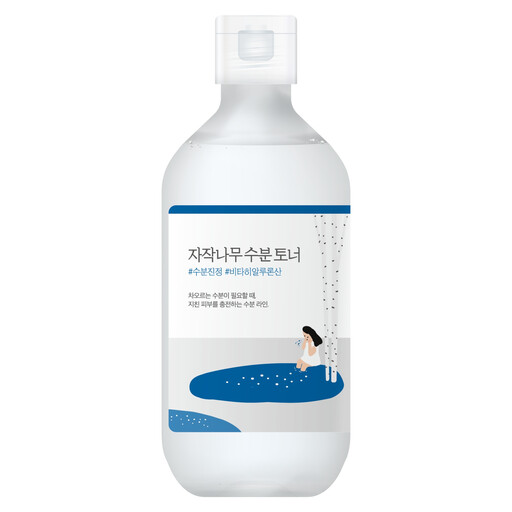
Why This Fits Their Persona: A practical option for dry, dehydrated or sensitive skin, especially during colder UK weather or in centrally heated rooms.
The formula focuses on humectants and soothing ingredients rather than strong exfoliation, with 10,000 ppm birch juice, hyaluronic acid and panthenol listed.
300ml size; fragrance-free formula with a lightweight ampoule-style texture.
We have compiled a complete, real-time list of products that fully satisfy these strict selection criteria and UK safety regulations.
A hydrating toner can usually be used more regularly than an exfoliating toner. If using an AHA, BHA or PHA formula, follow its label directions and avoid combining it with several other exfoliating products at once.
Many formulas are designed for different skin types, but no product is universally suitable. Choose fragrance-free, alcohol-free or simple Centella-based formulas if your skin is easily reactive. Oily skin may prefer a lighter toner, while dry skin often benefits from humectants and an essence-like texture.
A 150–210ml bottle commonly lasts several weeks to a few months, depending on whether it is used once or twice daily, how much is applied and whether it is poured into the hands or onto cotton pads. Toner pads may be used up more quickly because each application contains a pre-measured pad.
Check the product instructions rather than assuming daily use is appropriate. Start less frequently, particularly with an AHA BHA toner, and stop if you experience persistent stinging, redness or irritation. Daytime sunscreen is important when using products containing AHAs or other potentially sensitising actives.