
24/7 Customer Support

Free returns

Same-day & Next-day Delivery

Quality Guaranteed

Unlock Your Welcome Offers: FREE Delivery | Up to 80% OFF | Free 30-day JoyPlus trial
Download the APP
A Korean facial cleanser can do more than create a rich foam. The right formula should remove sweat, sebum, sunscreen and light make-up while leaving your skin comfortable after rinsing. However, product pages often focus on attractive ingredients and dramatic phrases rather than the details that affect everyday use.
As the Joybuy Product Recommendation Officer, I filter the most relevant information so you can compare Korean skincare cleansers with fewer surprises.
A dense lather can feel satisfying, but foam volume does not automatically indicate superior cleansing. Some highly foaming formulas may leave dry or tight skin, particularly when used twice daily during colder UK weather.
Look for the surfactant system, such as amino-acid or betaine-based cleansers, alongside moisturising ingredients including glycerin, panthenol or hyaluronic acid.
A pore cleanser may remove surface oil and loosen impurities, helping skin feel smoother and look temporarily fresher. It cannot permanently change pore structure. Clay, salicylic acid, willow bark and gentle exfoliating particles all suit different needs, but stronger does not always mean more suitable.
AHA, BHA, PHA and enzyme cleansers can be useful for congested or rough-feeling skin. Using several exfoliating products together, or leaving a cleanser on for too long, may cause discomfort. Check the ingredient list and introduce one active product at a time.
If a cleanser contains exfoliating acids, follow its usage instructions and use daytime sun protection. Stop using it if redness, itching, swelling or persistent stinging occurs.
“Low pH” is useful information, but it should not be the only deciding factor. The complete formula and your skin’s response matter more than a single label.
A product containing salicylic acid, AHA, PHA, papain or physical particles is not simply a regular cleanser. It also provides an exfoliating function. This may suit oily, dull or rough-feeling skin, but sensitive users should begin gradually.
Do not assume a rinse-off product will deliver the same effect as a leave-on treatment. Its contact time is shorter, so focus on comfort, cleansing performance and how your skin feels afterwards.
Marketing terms such as “natural”, “clean” or “hypoallergenic” do not replace an ingredient check. If you avoid fragrance, essential oils, alcohol, animal-derived ingredients or particular preservatives, confirm the current packaging information before purchase.
A vegan Korean skincare cleanser may be suitable if vegan formulation is a priority, but vegan status alone does not guarantee that the product will suit sensitive or reactive skin.
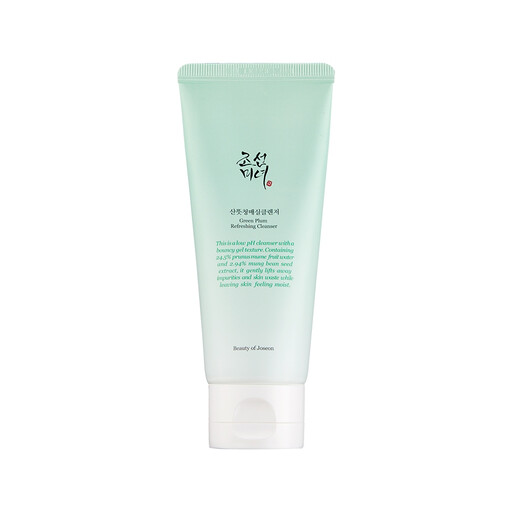
Why This Fits Their Persona: Its gel-to-foam format and 100ml size provide a straightforward starting point for adults building a simple daily cleansing routine in the UK.
The formula is described as low-pH and non-stripping, avoiding the assumption that a strong, squeaky finish is necessary for clean skin.
Contains green plum water, mung bean extract and glycerin; the ingredient list also identifies vegan and cruelty-free positioning.
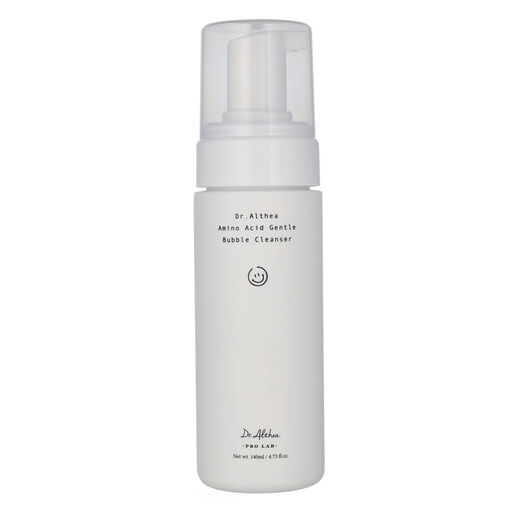
Why This Fits Their Persona: A pre-formed bubble texture suits shoppers who prefer a consistent, low-friction application for morning and evening cleansing.
It focuses on an amino-acid cleansing base rather than relying only on claims about foam density or pore size.
Lists 17 amino acids, sodium hyaluronate and ceramide NP; it is also presented as vegan and free from artificial colour.
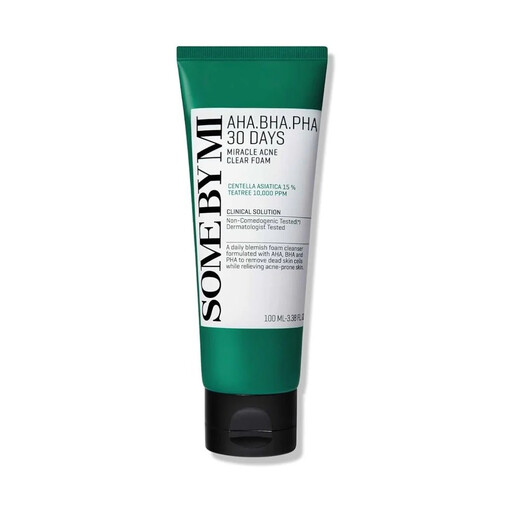
Why This Fits Their Persona: Designed for shoppers focusing on oiliness, congestion and rough texture who want exfoliating ingredients within a cleansing step.
The AHA, BHA and PHA combination is clearly identified, making it easier to avoid accidentally pairing several exfoliating products.
Contains salicylic acid, gluconolactone, calamine and centella-derived ingredients; it produces a cream-to-foam texture.
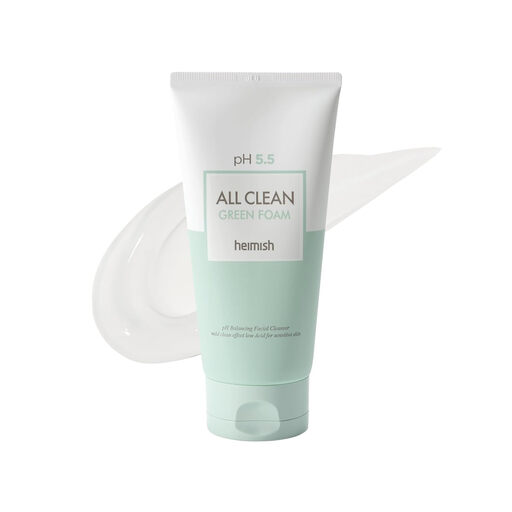
Why This Fits Their Persona: Its gel texture, low-pH positioning and fragrance-free description suit shoppers who want a simple second cleanse after removing sunscreen or make-up.
It avoids piling exfoliating acids into the everyday cleanser, helping keep a minimalist routine easier to manage.
The listed ingredients include centella, witch hazel water and several mild cleansing agents; the product is described as vegan and free from artificial fragrance.
We have compiled a complete, real-time list of products that fully satisfy these strict selection criteria and UK safety regulations.
A first-use patch test is sensible for sensitive or reactive skin. Always check the packaging for the latest ingredients, storage guidance, batch details and period-after-opening symbol.
Many are designed for daily use, but suitability depends on the formula. A basic low-pH or gentle facial cleanser may work morning and evening, while an exfoliating cleanser containing acids, enzymes or particles may need less frequent use.
It may remove light sunscreen and make-up, depending on the product. For waterproof make-up or water-resistant sunscreen, use a suitable first cleanse, such as a cleansing oil or balm, followed by your foam cleanser.
There is no fixed lifespan because it depends on how much you dispense and whether you use it once or twice daily. Using a small, sufficient amount rather than a large handful can help a 100ml tube last longer. Check the packaging’s period-after-opening guidance and replace the product if its smell, colour or texture changes.