
24/7 Customer Support

Free returns

Same-day & Next-day Delivery

Quality Guaranteed

Unlock Your Welcome Offers: FREE Delivery | Up to 80% OFF | Free 30-day JoyPlus trial
Download the APP
If you are comparing L-carnitine fat burner supplements, it is easy to confuse a high ingredient number with a suitable product. UK shoppers may be looking for support with exercise, energy metabolism or weight-management routines, but these supplements are not a replacement for a balanced diet, regular activity or medical advice.
The main challenge is identifying what you are actually buying. A liquid L-carnitine product, an acetyl L-carnitine powder, a capsule formula and a thermogenic fat burner may all appear in the same search results, yet they can differ considerably in dosage, stimulants, dietary suitability and convenience.
L-carnitine is involved in the transport of fatty acids within cells, but taking a supplement does not guarantee fat loss. Marketing language such as “melts fat”, “accelerates weight loss” or “burns calories all day” can make a product sound more powerful than its nutrition panel suggests.
A more practical approach is to treat L-carnitine supplements as nutritional support within a consistent exercise and food routine. Check the actual active ingredients and serving information rather than relying on the front of the tub.
A product labelled as a thermogenic fat burner may contain caffeine from caffeine anhydrous, green coffee or green tea extract. This may not suit people who train late, are caffeine-sensitive or already drink several coffees or energy drinks.
For example, some multi-ingredient powders list around 200mg or more of caffeine per serving, while a non-stimulant formula may contain no caffeine but still include other energy-support ingredients. Always check the full ingredient list and follow the label’s daily limit.
A 473ml or 480ml bottle does not automatically offer more value than a 100-capsule pack. Compare the number of servings, the amount of L-carnitine per serving and the recommended daily intake. Also check whether the stated amount applies to one capsule, two capsules, one scoop or a 15ml serving.
Standard L-carnitine, acetyl L-carnitine and L-carnitine tartrate are different forms used in different product types. Acetyl L-carnitine is particularly common in products positioned for mental focus and daily energy support, while liquid formulas often prioritise straightforward measuring and mixing.
Look for a clearly stated amount per serving. Examples in this range include:
A higher amount is not automatically more suitable. Follow the manufacturer’s serving guidance and do not combine several high-dose metabolic products without checking the total intake.
A simple L-carnitine formula may suit someone who wants a non-stimulant fat burner. A thermogenic blend may also contain caffeine, green tea extract, CLA, taurine, B vitamins, tyrosine or chromium.
Check:
The UK Food Standards Agency advises caution with concentrated caffeine products, particularly for children and pregnant or breastfeeding women. Product labels should always take priority.
Vegan, vegetarian, Halal and allergen requirements vary. Capsules may contain gelatine, while softgels can contain soy or other ingredients. Powders may be easier to adjust or mix, but they require a scoop and access to water.
For UK users, also consider whether you want:
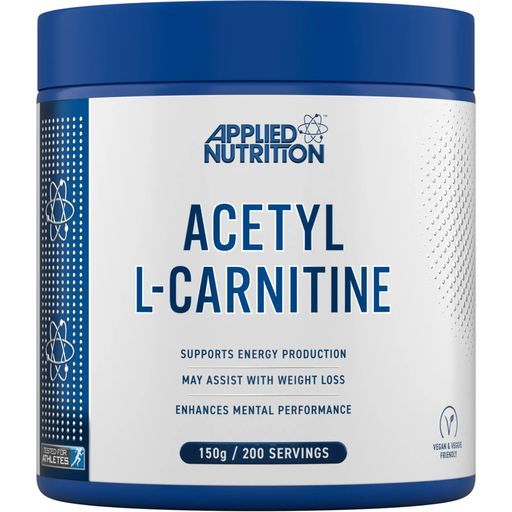
Why This Fits Their Persona: The powder format is practical for shoppers who want to mix a measured serving into water or another drink without paying for a more complex multi-ingredient blend. The product information states up to 200 servings per container.
It presents a single active ingredient rather than hiding the carnitine amount inside a long thermogenic blend. The stated serving guidance is one scoop daily, so users can compare usage more easily.
Pure N-acetyl L-carnitine powder; mixes with approximately 200ml of water or another drink.
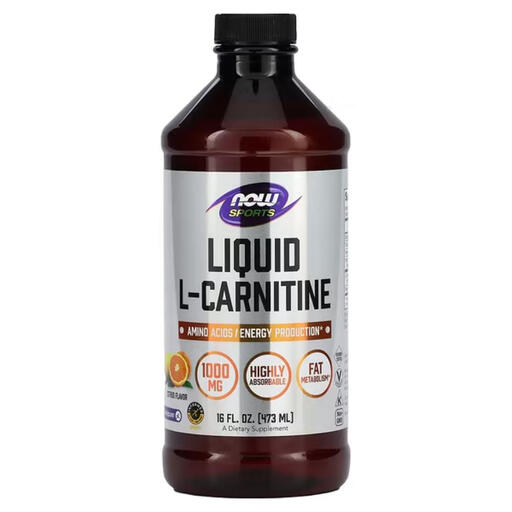
Why This Fits Their Persona: This liquid format suits adults who prefer a measured drinkable serving and want a formula listed as vegan-friendly, with 1,000mg of L-carnitine per approximately 15ml serving.
The label identifies the serving size and active amount separately, making it easier to avoid confusing bottle volume with dosage.
1,000mg L-carnitine per serving; citrus liquid format with a 473ml bottle.
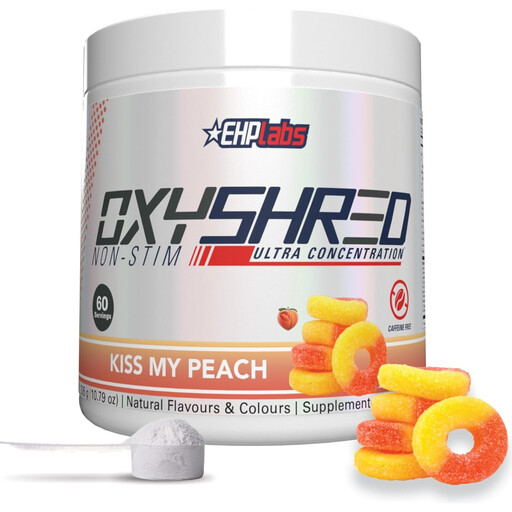
Why This Fits Their Persona: This option is designed for adults who want a multi-ingredient powder without caffeine, including late-night trainers and people who prefer to limit stimulants. It contains acetyl L-carnitine, L-carnitine tartrate, CLA and B vitamins.
The product is specifically presented as non-stimulant and lists no caffeine, helping shoppers distinguish it from conventional thermogenic powders. Check the current label before purchase.
Caffeine-free formula as described; 60-serving powder with acetyl L-carnitine, CLA and L-carnitine tartrate.
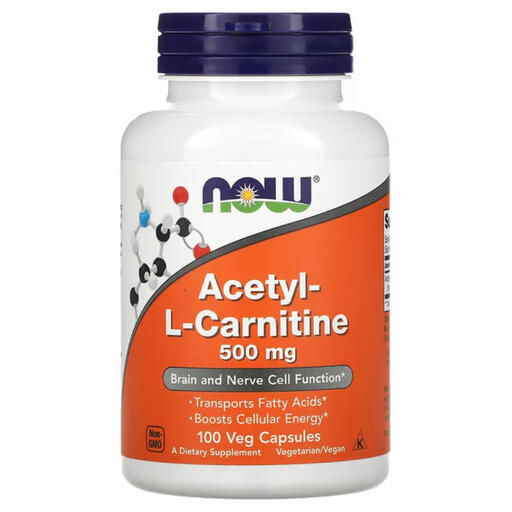
Why This Fits Their Persona: Capsules are convenient for commuters, gym-goers and travellers who do not want to measure powder or carry a bottle. The product is listed as vegan and provides 500mg acetyl L-carnitine per capsule.
The capsule strength and maximum daily intake are stated on the product information, so users can calculate their routine without relying on a vague blend total.
Vegan capsule format; 100-capsule pack with a stated 500mg acetyl L-carnitine per capsule.
We have compiled a complete, real-time list of products that fully satisfy these strict selection criteria and UK safety regulations.
Follow the serving instructions on the specific label. Powders are usually mixed with water, liquids are measured using a spoon or supplied cap, and capsules are swallowed with water. Some products are positioned for use before training, while others are intended for daily intake. Do not exceed the stated dose.
Some are, but not all. Look for a clear vegan statement and inspect capsule materials, softgel ingredients and flavourings. Softgels may contain gelatine, while selected powder and hard-capsule products use plant-based alternatives. Check the packaging for the latest information.
Combining products can increase your total intake of caffeine, green tea extract and other active ingredients. Review every label before stacking supplements, particularly if you take medication, have a medical condition or are pregnant or breastfeeding. When in doubt, ask a pharmacist or healthcare professional.