
24/7 全天候客户支持

免费退货

当日/次日达

品质保障

开启新人专享福利: 全场免邮 | 低至 2 折 | 免费试用 30 天 JoyPlus 会员
下载 Joybuy
Choosing L-Carnitine supplements can be more complicated than comparing the number printed on the front of a tub. Products may contain different forms of carnitine, stimulant ingredients, sweeteners, serving sizes and dietary materials. A low-priced bottle can also become poor value if the stated amount applies to several capsules rather than one serving.
This guide explains what UK shoppers should check before buying, then matches several options to different routines and budgets.
L-Carnitine and Acetyl-L-Carnitine are related but distinct forms. Acetyl-L-Carnitine is commonly selected by people who want a supplement that fits both fitness and mental-focus routines, while standard L-Carnitine products are often used around general training and energy-support habits.
Do not compare products only by the milligram figure. Check the exact form listed in the ingredients and whether the amount is stated per capsule, scoop, tablet or daily serving.
Some L-Carnitine supplements contain only carnitine, while others combine it with green tea extract, caffeine, B vitamins or additional thermogenic ingredients. A thermogenic fat burner may be unsuitable for people who are sensitive to caffeine or exercise late in the day.
For example, a product listing may show caffeine from both added caffeine anhydrous and green tea extract. Always check the total quantity per serving rather than relying on the word “energy” on the packaging.
Powders can offer many servings but require a scoop or kitchen scale. Capsules are portable but may require several units to reach the labelled daily amount. Liquid L-Carnitine is convenient, although the bottle may have a shorter practical lifespan after opening and needs appropriate storage.
UK shoppers should also check whether the product is vegan, vegetarian, Halal, free from common allergens, or made with gelatine. Product formulations and packaging can change, so the current label should take priority over online descriptions.
For a straightforward formula, look for a clearly stated amount of L-Carnitine or Acetyl-L-Carnitine per serving. Examples in this selection range from 500mg per capsule to 3,000mg per serving. These figures are not directly comparable unless the serving instructions are also considered.
A simple Acetyl-L-Carnitine powder may suit someone who wants to control the amount mixed into water. Capsules may be easier for commuting, while liquid L-Carnitine avoids swallowing tablets and can be diluted in a drink.
If you want L-Carnitine for energy without caffeine, choose a formula that lists no caffeine or green tea extract. Conversely, if you are considering CLA and L-Carnitine or a pre-workout-style product, examine the full active-ingredient panel.
Pay particular attention to:
Products containing caffeine should not be treated as suitable for everyone. Follow the label and seek professional advice if you are pregnant, breastfeeding, under 18, taking medication or managing a medical condition.
Calculate the approximate cost per labelled serving rather than comparing pack prices. Also consider how consistently you will use the product:
Food supplements should complement a varied diet and active lifestyle. They are not a replacement for nutrition, training, sleep or medical treatment.
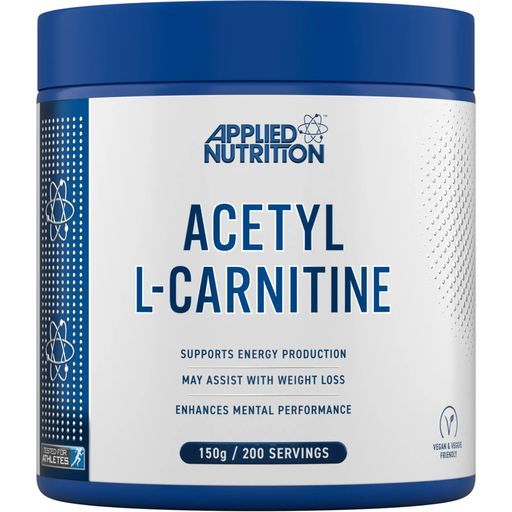
Why This Fits Their Persona: A single-ingredient powder can be a practical starting point for UK gym-goers who want to avoid caffeine and add the product to water or another drink.
The ingredients list identifies N-Acetyl-L-Carnitine without adding caffeine or a long stimulant blend. The label states one 750mg scoop per day.
Powder format; 150g container; listed as providing 200 servings; mixes with water or other beverages.
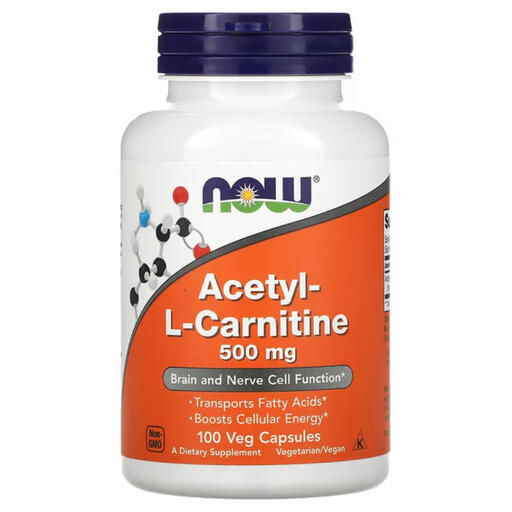
Why This Fits Their Persona: Suitable for adults who prefer a measured capsule format and want a vegan option for a regular home or office routine.
The product specifies 500mg Acetyl-L-Carnitine per capsule and uses a cellulose capsule, helping shoppers check both dose and dietary suitability.
Vegan capsule format; 100 capsules; listed without wheat, gluten, soya, milk or egg.
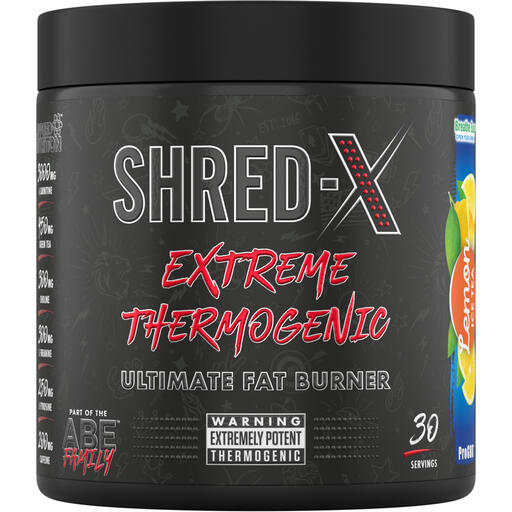
Why This Fits Their Persona: Designed for adults seeking a pre-training powder with multiple active ingredients, particularly those who already monitor their caffeine intake.
The label clearly states 3,000mg Acetyl-L-Carnitine and lists caffeine, green tea extract and the one-scoop maximum, making the stimulant profile easier to assess.
300g powder; lemon iced tea flavour; listed as vegan and Halal certified; 228mg caffeine per serving.
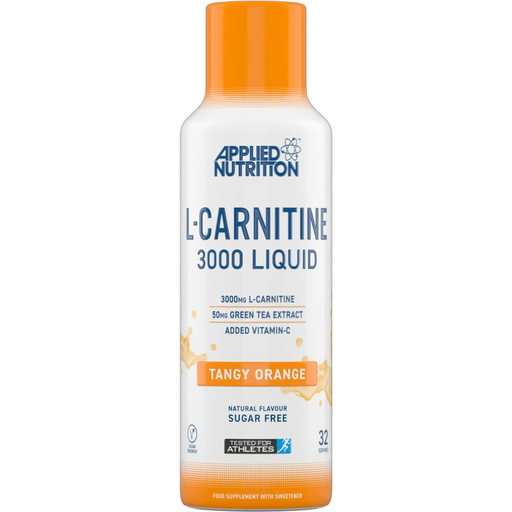
Why This Fits Their Persona: A liquid format suits users who dislike capsules and want a pre-measured serving before cardio or gym sessions.
The product page states the serving size, directions and additional green tea extract, so users can assess the formula rather than assuming it is plain L-Carnitine.
Liquid 480ml bottle; 3,000mg L-Carnitine per 15ml serving; vegan and Halal certified; tangy orange flavour.
We have compiled a complete, real-time list of products that fully satisfy these strict selection criteria and UK safety regulations.
Some products are labelled for daily use, but the correct amount depends on the specific formula. Follow the serving instructions and maximum intake on the packaging. Check with a healthcare professional before use if you take prescription medicines, have an underlying condition, or are pregnant or breastfeeding.
Choose L-Carnitine capsules for portability and consistently measured portions. Choose L-Carnitine powder if you want flexible mixing and a large number of servings. Liquid L-Carnitine may be more convenient if you dislike swallowing capsules, but it should be stored as directed and measured carefully.
Plain L-Carnitine and Acetyl-L-Carnitine products do not necessarily contain caffeine. However, combined formulas may include green tea extract or added caffeine. Read the complete ingredient and nutrition panel, especially when comparing L-Carnitine with a thermogenic fat burner or other sports nutrition supplements.