Hotels serving guests with lactose intolerance
Lactose-free cow’s milk offers a dairy option for cereal, tea and coffee. Identify it as containing milk rather than presenting it as dairy-free.


For a hotel breakfast buffet serving both guests with lactose intolerance and guests avoiding milk, offer lactose-free dairy milk alongside a separately identified dairy-free drink. Lactose-free cow’s milk still contains milk, while plant-based drinks need their own allergen checks. Keep accurate allergen information accessible where guests choose their drinks.
Lactose-free cow’s milk offers a dairy option for cereal, tea and coffee. Identify it as containing milk rather than presenting it as dairy-free.
Provide a separately identified dairy-free drink if the buffet is intended to meet these needs. Check the particular plant drink for other allergens, including soya where relevant.
Keep written allergen information tied to the drinks being served, and make sure staff can identify the products when guests ask questions. The Food Standards Agency and Food Standards Scotland both emphasise accessible, accurate allergen information.
Choose it when: Guests avoiding lactose still want cow’s milk for cereal or hot drinks.
Remember: It contains milk and cannot stand in for a dairy-free choice; Arla and M&S identify milk-allergy limitations for their lactose-free products.
Choose it when: The buffet needs an option for guests avoiding milk entirely or following a vegan diet.
Remember: Check the exact drink’s ingredients and allergens; dairy-free does not mean free from soya or other allergens.
For a buffet offering both routes, establish what each drink contains before deciding how to identify and serve it.
| Priority | What to check | Your needs |
|---|---|---|
| Milk and other allergens | Read the current ingredients and allergen declaration. Distinguish lactose-free cow’s milk, which contains milk, from dairy-free drinks; check plant drinks for allergens such as soya. | I need guests avoiding lactose and guests avoiding milk to be able to identify different options without mistaking one for the other. |
| Buffet information | Keep written allergen information linked to each served drink. Check product details when suppliers change, and ensure staff can answer questions about the buffet. | Before taking milk for cereal or a drink, I want to know which allergens that particular option contains. |
| Breakfast use | Check the selected drink’s directions for cereal and hot drinks. Compare nutrition information per 100ml, including calcium, protein or sugar where shown, if those details matter to your selection. | Our buffet needs drinks suited to the ways guests will use them, not just cartons with similar-looking labels. |
| Format and storage | Compare carton or bottle sizes with expected use. Follow each chosen product’s refrigeration and use-after-opening instructions. | I want a serving format the team can manage while keeping track of opened containers. |
Lactose-free cow’s milk still contains milk. Arla and M&S state that their cited lactose-free products are not suitable for people with a milk allergy.
Identify lactose-free milk as dairy milk, and provide a separate dairy-free choice when the buffet is intended to accommodate guests avoiding milk.
A dairy-free drink can still contain an allergen such as soya.
Check the exact product’s current ingredient and allergen declaration before adding it to the buffet information.
If a drink is served from an unlabelled jug, guests and staff may struggle to identify which product it is and what allergens it contains. Food Standards Agency and Food Standards Scotland guidance calls for accurate, accessible allergen information.
Link each serving vessel to current written allergen information and make sure staff know which product it holds.
Without an opening date, staff cannot readily follow the chosen carton’s use-after-opening instructions.
Date opened cartons and follow the storage directions on each selected product rather than applying one brand’s instructions to every drink.
These ranges illustrate where lactose-free dairy milk and plant-based drinks differ; check the particular product rather than relying on a retailer category name.
A lactose-free cow’s milk range with different fat levels and fresh or long-life formats.
Tesco lists own-label lactose-free skimmed and semi-skimmed dairy drinks in 1L formats.
Sainsbury’s lists own-label lactose-free dairy drinks as well as plant-based drinks in its free-from shopping range.
M&S lists whole and semi-skimmed 1L lactose-free dairy products.
Waitrose’s dairy-and-lactose-free range includes Arla LactoFREE alongside plant-drink brands.
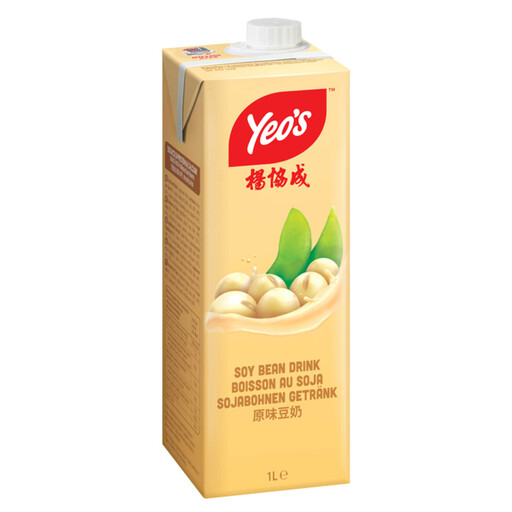
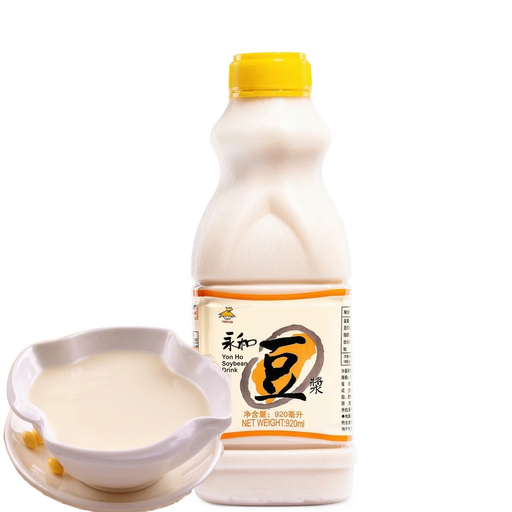
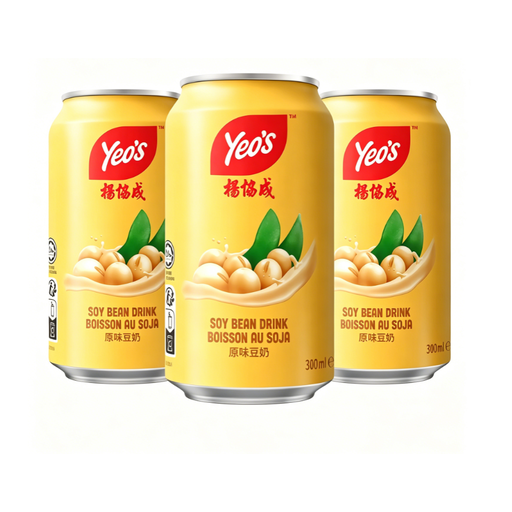
These soya drinks represent the plant-based option for a hotel breakfast buffet. They do not replace lactose-free cow’s milk for guests who specifically want dairy milk, and each drink’s current allergen declaration needs checking before service.
 No image available
A 1L soya drink to consider for the buffet’s dairy-free option. It contains soya; check the current pack’s allergen declaration and confirm suitability before offering it for hot drinks.
 No image available
A 920ml soya drink to assess for a dairy-free breakfast option, including cereal or coffee service. It contains soya; confirm the current pack’s allergen information and serving directions before use.
 No image available
Three 300ml bottles offer a smaller serving format for the buffet’s dairy-free option. The drink contains soya; check the current pack’s allergen declaration and confirm hot-drink suitability if needed.
No. Lactose-free cow’s milk still contains milk. Arla declares milk as an allergen in its cited lactose-free semi-skimmed product, and M&S says its lactose-free products are not suitable for people with a dairy allergy.
Offer both if the buffet is intended to accommodate guests with lactose intolerance as well as guests avoiding milk or following a vegan diet. Identify the drinks separately and check the plant-based option for its own allergens.
Food businesses need to make allergen information accurate and accessible for the food and drink they serve, including non-prepacked buffet items. Food Standards Agency guidance applies in England, Wales and Northern Ireland, while Food Standards Scotland provides guidance for Scotland. Keep information linked to the actual drinks on offer so staff can help guests identify them.
A jug should remain clearly identifiable as containing lactose-free dairy milk, with accurate milk-allergen information accessible to guests. Link the serving vessel to the current product and written buffet information rather than relying on an unlabelled jug.
Follow the storage and use-after-opening instructions on the selected carton. Do not apply one lactose-free milk brand’s instructions to every dairy milk or plant-based drink; date opened containers so staff can follow the relevant label.