Families avoiding lactose, but not dairy
For cereal, drinks or recipes, lactose-free cow’s milk is an option when the child can have milk. Check the individual carton rather than treating “lactose-free” as another term for “dairy-free”.


Choose lactose-free cow’s milk when lactose is the concern and the child can have milk; it is still dairy and is not suitable for a milk allergy. When milk must be avoided, choose a dairy-free drink, check its allergens and, if it will regularly replace dairy, compare calcium and iodine fortification. For outings, an unopened UHT carton can be stored without refrigeration where its pack instructions allow it, but follow those instructions after opening.
The reason for avoiding milk determines which cartons belong on the snack list.
For cereal, drinks or recipes, lactose-free cow’s milk is an option when the child can have milk. Check the individual carton rather than treating “lactose-free” as another term for “dairy-free”.
For a milk allergy or a dairy-free diet, start with a dairy-free drink and read its current ingredients and allergen declaration. If it regularly replaces dairy, compare its nutrition and fortification too.
Decide whether cartons will stay in a fridge or need cupboard storage before an outing. Unopened UHT and chilled products have different storage requirements; the pack’s instructions still matter once opened.
Settle whether dairy is suitable first. Then compare the drink’s label and storage format against how often and where it will be used.
Choose when: Lactose needs to be avoided, but cow’s milk remains suitable for the child.
Key limit: It still contains milk; reviewed Arla LactoFREE products are labelled unsuitable for people with a milk allergy.
Choose when: The snack needs to be milk-free or vegan.
Key limit: Ingredients, allergens and fortification differ between drinks, so one plant drink cannot stand in for every other.
| Priority | What to check | Your needs |
|---|---|---|
| Milk and allergens | Read the ingredients and emphasised allergens on the current pack. Lactose-free cow’s milk can still contain milk; a dairy-free drink may contain another allergen, such as soya. | I need the carton to match the reason milk is being avoided, not just a familiar-looking label. |
| Nutrition | For a regular dairy substitute, compare calcium and iodine fortification, protein and energy per 100ml. Kingston and Richmond NHS Foundation Trust advises calcium- and iodine-fortified substitutes when a child cannot consume dairy. | If a plant drink will regularly replace dairy, I want to know what its nutrition label says rather than assume all alternatives are alike. |
| Storage and quantity | Check whether the unopened carton requires refrigeration, its size and its instructions after opening. Arla Pro UK describes its LactoFREE long-life whole milk as needing no refrigeration before opening. | For a trip or limited fridge space, I need a format I can store as instructed and a quantity we can use after opening. |
| Finding the right type | Check the individual product description even when shopping in a lactose-free or dairy-free category. Retailer ranges can include both lactose-free cow’s milk and plant drinks. | When shopping for holiday snacks, I want to distinguish a milk-free drink from a lactose-free dairy carton before it goes in the basket. |
Removing or breaking down lactose does not remove milk from the product. Morrisons and Waitrose & Partners list milk for the reviewed Arla LactoFREE drinks and warn that they are unsuitable for people with a milk allergy.
For a milk-free snack, choose a product described as dairy-free and check its current ingredients and allergen declaration before serving.
Kingston and Richmond NHS Foundation Trust notes that dairy substitutes differ in fortification, protein and energy. The distinction matters more when a drink is used regularly in place of dairy.
Compare calcium and iodine fortification, protein, energy and sugars on the individual nutrition label, alongside any allergens.
A chilled carton needs fridge space, while an unopened UHT carton may be stored without refrigeration if its instructions say so. That does not establish how long it can stay out after opening.
Choose the carton size and unopened storage format for the day’s plan, then follow the pack’s opening and storage instructions.
These ranges illustrate why the individual carton matters: lactose-free dairy and dairy-free drinks may appear in the same shopping trip.
A lactose-free cow’s-milk range with chilled and long-life formats.
Tesco Groceries lists own-label lactose-free dairy drinks as well as dairy-free plant drinks.
Sainsbury's lists an own-label lactose-free semi-skimmed dairy drink.
M&S Food describes whole and semi-skimmed lactose-free milk for drinks, cereal and recipes; its Made Without range separately includes dairy-free products.
Waitrose & Partners lists Arla LactoFREE semi-skimmed milk among its shopping options.
These plant-drink options are relevant when school-holiday snacks need to be dairy-free. They are not substitutes for checking each child’s allergen requirements, the carton’s nutrition label and its storage instructions.
 No image available
A dairy-free soya option for cereal or other snacks. Joybuy describes this eight-carton pack as UHT; plan for the 8 x 1L quantity and check the pack for soya allergens and instructions after opening.
 No image available
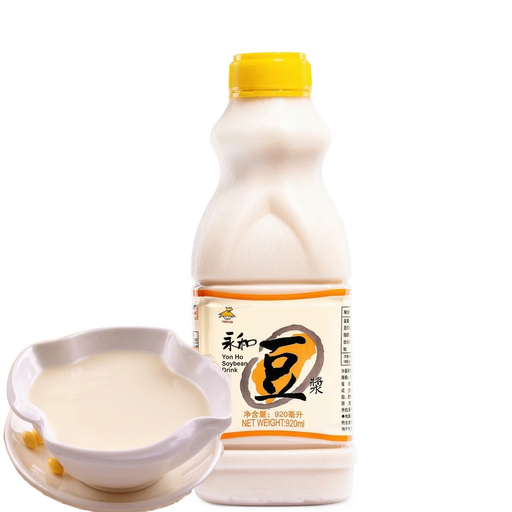
A 920ml soybean drink to consider for dairy-free drinks or cereal. Check the current pack for milk and soya allergens, fortification and storage instructions if it will be used regularly or taken out for the day.
 No image available
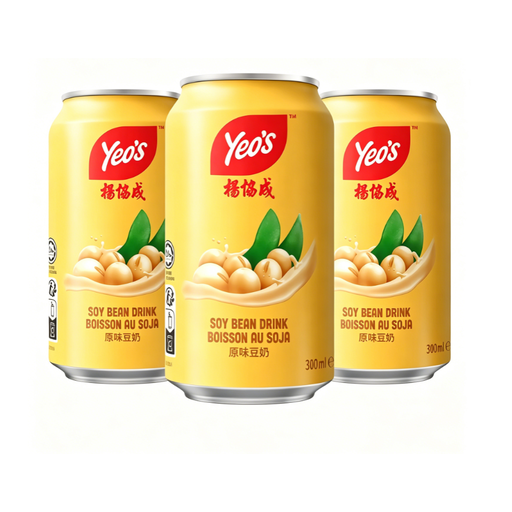
Three 300ml bottles offer a smaller pack format for separate snack occasions. Check the current allergen and nutrition labels, and follow the bottle’s storage instructions when planning to take one out.
 No image available
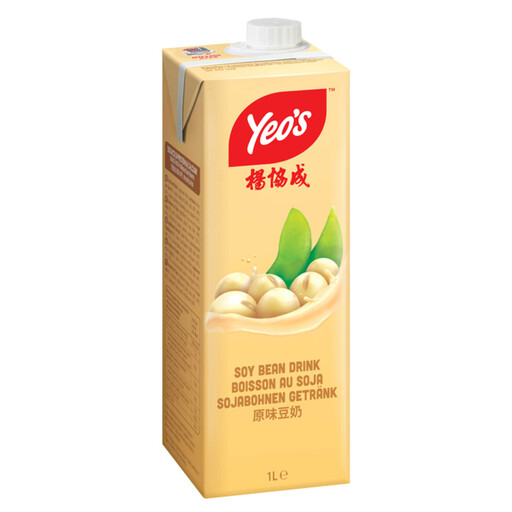
A 1L soya-drink format for snacks prepared at home. Check its current allergens and nutrition label if it will replace dairy regularly; follow the carton’s storage instructions rather than assuming it can be kept out of the fridge unopened.
 No image available
A long-life oat-drink option in an 8 x 1L pack. Its barista-style use and multipack quantity may not suit every snack plan; check the current pack for allergens, nutrition and storage instructions before choosing it as a regular dairy substitute.
No. Lactose-free cow’s milk still contains milk. The reviewed Arla LactoFREE products list milk as an allergen and are labelled unsuitable for people with a milk allergy. For a milk-free snack, choose a dairy-free product and check its current ingredients and allergen declaration.
Choose a dairy-free alternative that meets the child’s allergen requirements, then compare its nutrition if it will regularly replace dairy. Kingston and Richmond NHS Foundation Trust advises calcium- and iodine-fortified dairy substitutes for children who cannot consume dairy; check protein and energy on the individual label too.
No. Plant drinks differ in ingredients, allergens and nutrition. Check the particular drink’s fortification, protein and energy, as well as allergens such as soya, against the child’s needs.
An unopened UHT carton can help when refrigeration is unavailable before opening, provided its own storage instructions permit it. Arla Pro UK says its LactoFREE long-life whole milk needs no refrigeration before opening, but it remains dairy; follow the pack’s instructions once opened.
Check the current pack’s ingredients list: the Food Standards Agency says the 14 allergens must be emphasised in the ingredients list of pre-packed food and drink. Do not rely on a shelf category or the words “lactose-free” to establish that a drink is free from milk.