Batch cooks avoiding lactose
If you can use dairy milk but need to avoid lactose, lactose-free cow's milk is an ingredient to consider for sauces, soups, bakes and breakfasts. Check the current carton for its ingredients and storage instructions.


For batch cooking, lactose-free cow's milk is an option when you need to avoid lactose but can use dairy milk; choose whole, semi-skimmed or skimmed according to the recipe and the carton's labelled fat content. It still contains milk and is unsuitable for someone with a milk allergy, so check the full allergen declaration on any dairy-free alternative as well as the storage instructions for the ingredient you choose.
If you can use dairy milk but need to avoid lactose, lactose-free cow's milk is an ingredient to consider for sauces, soups, bakes and breakfasts. Check the current carton for its ingredients and storage instructions.
Lactose-free does not mean milk-free. The NHS distinguishes lactose intolerance from food allergy, and the lactose-free dairy products described by Arla and M&S still contain milk. Check the complete allergen declaration before choosing a dairy-free ingredient.
Choose the milk's fat level for the recipes you intend to make, then consider how much of an opened carton you will use. The Tesco and M&S chilled examples instruct customers to refrigerate the milk and consume it within three days of opening; follow the instructions on your particular pack.
Start with whether the dish needs to be free from milk or only lactose, then choose the ingredient and carton size around the recipes you plan to cook.
| Priority | What to check | Your needs |
|---|---|---|
| Milk allergen | Read the full ingredients and allergen declaration. Lactose-free cow's milk can still contain milk; check a dairy-free alternative's own label for any other relevant allergens. | I'm cooking for someone who must avoid milk, not just lactose. Lactose-free dairy milk is not the right substitute. |
| Fat level | Compare whole, semi-skimmed and skimmed cartons using the labelled fat value and its per 100g or per 100ml basis. Check that the chosen ingredient suits the recipe. | For a sauce or bake, I want to choose the dairy base deliberately rather than assume every lactose-free carton has the same fat content. |
| Pack size and storage | Match the carton size to planned meals. Read its refrigeration, use-after-opening and freezing instructions rather than applying another product's directions. | Will I use the opened carton across this batch and the next meals? I'd rather choose a size that fits the plan. |
| Recipe fit | Decide whether the dish calls for dairy milk or a different ingredient, such as coconut milk. Check the alternative's flavour, ingredients and allergen declaration for that recipe. | A coconut ingredient may suit my curry, but I wouldn't assume it will give every milk-based sauce or bake the result I want. |
Removing or reducing lactose does not remove the milk ingredient from lactose-free cow's milk. Arla and M&S state that their listed lactose-free dairy products are unsuitable for people with a milk or dairy allergy.
If the meal must be free from milk, choose an appropriately labelled dairy-free ingredient and check its full ingredients and allergen declaration.
The Tesco and M&S chilled examples instruct customers to refrigerate their products and consume them within three days of opening.
Work out which recipes will use the carton after it is opened, and follow that carton's current storage and use-by instructions.
An unfinished carton can become food waste if it cannot be used within the labelled period.
Whole, semi-skimmed and skimmed lactose-free dairy milks have different labelled fat contents. Choosing one without considering the dish can leave you using a different dairy base from the one the recipe calls for.
Check the exact carton's nutrition information and choose the fat level for the sauce, soup or bake you intend to make.
Retailer information can change, including ingredients and allergen details. An earlier listing is not a substitute for the carton being used in a batch.
Read the physical pack's ingredients, allergen declaration, date and storage instructions before cooking.
Arla LactoFREE includes lactose-free dairy milk in different fat levels, including a skimmed product listed by Waitrose.
Tesco lists a 1L lactose-free semi-skimmed dairy drink among its milk options.
Sainsbury's Everyday lactose-free skimmed dairy drink is a 1L cow's-milk option for recipes where skimmed milk is wanted.
M&S Made Without Lactose includes whole and semi-skimmed dairy milk options.
Waitrose lists Arla LactoFREE products in its lactose-free range. Check the product brand and variant rather than treating the retailer name as the milk brand.
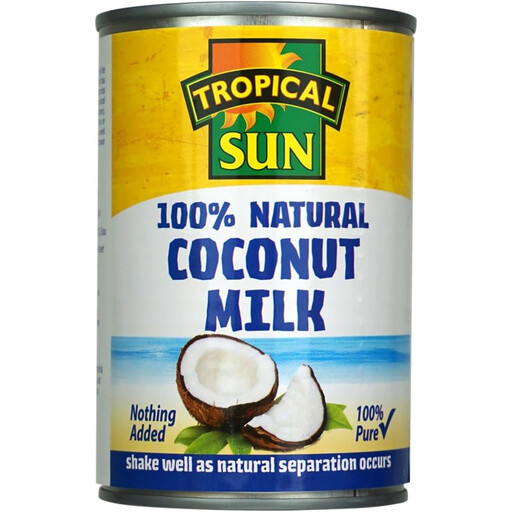
This coconut milk is an option for dishes such as curries, soups and stews where a coconut ingredient suits the recipe. It is not lactose-free cow's milk; if you are cooking for someone with an allergy, check the current pack's full allergen information before using it.
 No image available
A coconut ingredient for batch-cooked curries, soups or stews when its flavour suits the dish, rather than a like-for-like dairy milk substitute. Check the current pack's ingredients and allergen declaration for everyone eating the meal. The product description instructs customers to transfer any remainder to a sealed container, refrigerate it and consume it within three days of opening.
No. The NHS distinguishes lactose intolerance from food allergy, while the listed Arla and M&S lactose-free dairy products still contain milk and state that they are unsuitable for milk or dairy allergy. Check the full allergen declaration when choosing a dairy-free ingredient instead.
Lactose-free cow's milk is a dairy ingredient to consider when the recipe calls for milk and avoiding lactose, rather than milk itself, is the requirement. Choose a whole, semi-skimmed or skimmed carton to suit the recipe, and check its label; this substitution is not suitable for a milk allergy.
Follow the instructions on the particular carton. The listed Tesco and M&S chilled products require refrigeration and say to consume the milk within three days of opening, so plan how the remainder will be used before starting a batch.
Check the particular product before freezing it. The listed Tesco and M&S chilled milks state that they are not suitable for freezing; their instructions should not be assumed to apply to every lactose-free product.