Guests who eat a vegan diet
Serve a drink explicitly described as dairy-free and suitable for vegans. The Vegan Society’s definition of veganism excludes dairy; reducing lactose in cow’s milk does not change its animal origin.


Lactose-free cow’s milk is still dairy, so it is not suitable for a vegan guest. Choose a drink explicitly described as dairy-free and suitable for vegans; match it to the coffee or dish you are serving, and check the current pack’s allergen information if a guest has an allergy. A vegan label alone does not resolve cross-contact risks.
Serve a drink explicitly described as dairy-free and suitable for vegans. The Vegan Society’s definition of veganism excludes dairy; reducing lactose in cow’s milk does not change its animal origin.
Lactose-free dairy milk may meet this requirement if the guest has no vegan or milk-allergy requirement. The NHS distinguishes lactose intolerance from food allergy, so ask which restriction applies rather than treating them as interchangeable.
Check vegan suitability separately from allergens. The Food Standards Agency cautions that vegan labelling alone does not establish whether a product is suitable for someone with a food hypersensitivity.
Start with each guest’s dietary requirement, then choose a drink whose stated uses fit the menu. Check the exact pack before serving anyone with an allergy.
| Priority | What to check | Your needs |
|---|---|---|
| Dairy or plant base | Check the ingredients for cow’s milk. For a vegan guest, look for an explicit dairy-free and vegan-suitable description; lactose-free on its own does not mean either. | I’m serving vegan guests, so lactose-free cow’s milk cannot be their milk alternative. If another guest only avoids lactose, I can ask whether lactose-free dairy suits them. |
| Allergens | Read the current ingredients, allergen declaration and any precautionary allergen wording. Check for other relevant ingredients, including oats or soya. | A guest has an allergy, so I need to assess the exact drink rather than rely on its vegan label. The Food Standards Agency warns that cross-contact can matter for people with food hypersensitivities. |
| Coffee and cooking | For coffee, check whether the drink is described as barista-style or foamable. For a sauce, check the recipe and the drink’s stated cooking use; consider whether a sweetened drink fits a savoury dish. | I need to make coffee as well as dinner, and I do not want to assume one carton is intended for both. Tesco’s vegan béchamel recipe, for example, uses soya milk. |
| Pack and storage | Confirm the pack size and the chosen carton’s instructions for storage before and after opening, including its use-within period. | If I’m preparing several drinks or dishes, I need enough of the right product and a plan for any opened cartons. |
| Nutrition information | If the drink will be used regularly beyond the party, compare the chosen packs’ nutrition information and any stated fortification, rather than assuming plant drinks have the same composition. | I may want to compare ingredients and declared nutrients as well as vegan suitability. A party drink and a regular dairy replacement are different buying decisions. |
Arla identifies milk in its LactoFREE dairy drink. Removing or breaking down lactose does not remove the dairy, so that drink cannot serve as the vegan option.
Choose a product explicitly described as dairy-free and suitable for vegans for vegan guests. Keep lactose-free dairy as a separate option only if it meets another guest’s requirements.
The Food Standards Agency warns that vegan labelling alone should not replace allergen information for people with food hypersensitivities.
Ask the guest what allergens are relevant, then inspect the ingredients, allergen declaration and precautionary wording on the exact pack.
A vegan-suitable drink is not automatically described for frothing or for every recipe. Tesco’s vegan béchamel recipe specifically uses soya milk, while the cited Oato and Alpro barista oat drinks are presented for coffee.
Match the product’s stated use to the coffee or dish you plan to make, and follow a suitable recipe for sauces.
Oat drinks can contain gluten-containing oats, and instructions after opening differ between products. Either detail may affect what you can serve or prepare in advance.
Check the chosen pack’s allergens, refrigeration instructions and use-within period before opening it.
These examples illustrate different dairy and plant-drink routes; a retailer’s range or recipe does not establish the ingredients of every product it sells.
Arla’s cited semi-skimmed LactoFREE drink is lactose-free dairy milk, rather than a plant drink.
Tesco provides a vegan, dairy-free béchamel recipe made with soya milk.
Sainsbury’s lactose-free browsing range lists both lactose-free dairy drinks and plant drinks.
M&S lists lactose-free cow’s milk separately from plant-based milk alternatives.
Waitrose describes its cited Oato barista oat drink as dairy-free, lactose-free and suitable for vegans.
These oat drinks are options to consider for the plant-drink side of a vegan dinner-party menu, particularly drinks service. Check each pack for vegan suitability, relevant allergens and the intended use before serving it.
 No image available
An oat drink for dinner-party coffee. Joybuy describes this multipack as dairy-free and plant-based; its ingredient information declares oats containing gluten. Check the current pack’s allergen wording for your guests.
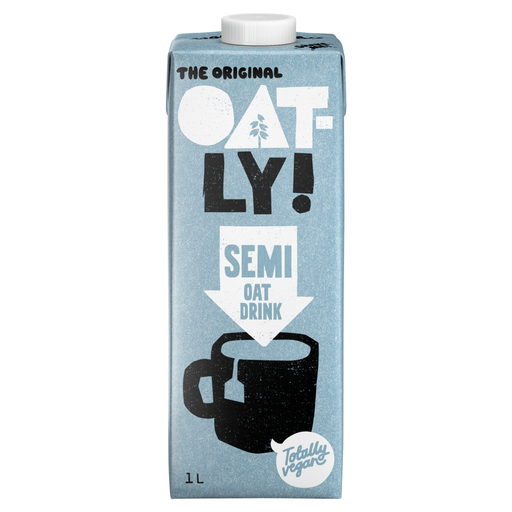 No image available
A plant-based oat drink described for hot-drink use. Confirm vegan suitability and allergen wording on the current pack. The listing title says 1L, but its descriptions refer to a mini format, so check the pack size before planning servings.
 No image available
Described as dairy-free and suitable for vegans, this oat drink is listed for hot drinks as well as cereal and smoothies. Check the current pack for oat allergens; if you need to froth it or cook with it, confirm that it suits that use.
 No image available
Described as dairy-free and suitable for vegans, with no added sugars stated for this oat-drink variant. Check its ingredients and oat-allergen declaration on the current pack, and confirm its intended use if it is for coffee or cooking.
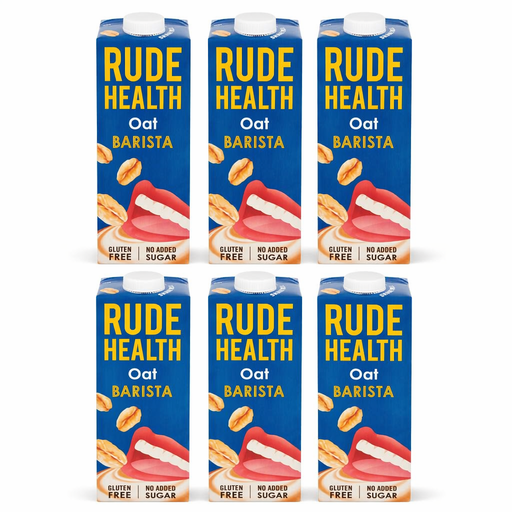 No image available
A barista oat drink described for steaming and foaming coffee. Its listing calls the recipe vegan-friendly and identifies oats among its ingredients; check the current pack for vegan and allergen requirements.
No. It remains dairy even when its lactose has been reduced or broken down. The Vegan Society’s definition excludes dairy from a vegan diet, and Arla’s cited lactose-free drink lists milk as an ingredient.
Do not decide from the vegan label alone. The Food Standards Agency warns that cross-contact can make vegan-labelled foods unsuitable for some people with food hypersensitivities. Check the exact pack’s ingredients, allergen declaration and precautionary wording against the guest’s requirements.
A dairy-free soya drink is one recipe-specific option: Tesco’s vegan béchamel recipe uses soya milk. Follow the recipe and check the chosen drink’s ingredients and allergens before cooking for guests.
Check whether the particular drink is described as suitable for barista use or frothing, rather than assuming every plant drink behaves alike. The cited Oato and Alpro barista oat listings describe coffee use; check their oat-allergen information for guests with relevant restrictions.
Plan around the instructions on each chosen pack. The cited chilled Oato drink says to keep it below 5°C and use it within three days of opening; the cited long-life Alpro Barista Oat says to refrigerate after opening and use it within five days.