Teams catering for vegan residents
A vegan menu needs a plant-based drink rather than lactose-free cow’s milk. Check the exact product’s vegan labelling, then consider its nutrition within the full menu.


Choose lactose-free dairy milk for a resident who avoids lactose but can still consume dairy; it is not a vegan substitute. For a vegan resident, choose a plant-based drink labelled suitable for vegans and check its nutrition against the wider menu. A resident’s care plan and allergen requirements take priority over either label.
A vegan menu needs a plant-based drink rather than lactose-free cow’s milk. Check the exact product’s vegan labelling, then consider its nutrition within the full menu.
Lactose-free dairy can be an option when a resident still consumes milk. Do not present it as vegan or as suitable for someone whose plan excludes milk.
Consider each drink alongside the resident’s wider food and care plan. The British Dietetic Association highlights protein, calcium, folate and vitamin B12 in diets for adults over 65; no single drink settles those needs on its own.
Choose when: A resident avoids lactose but can consume dairy.
Keep in mind: Removing or breaking down lactose does not make cow’s milk vegan or remove the need for milk-allergen checks.
Choose when: A vegan drink is required and its declared nutrition fits the resident’s wider menu; Tesco’s listing for Alpro Soya No Sugars identifies protein and added calcium and vitamins.
Keep in mind: Check the exact pack and the resident’s allergen requirements, particularly where soya must be avoided.
Choose when: A resident needs a vegan option and an oat product meets their documented dietary requirements; M&S describes its Plant Kitchen Whole Oat Drink as vegan-friendly and enriched with calcium, iodine and vitamins D and B12.
Keep in mind: Check the chosen pack’s nutrition and allergens rather than assuming every oat drink has the same formulation.
| Priority | What to check | Your needs |
|---|---|---|
| Vegan suitability | Check whether the drink is dairy or plant-based. For a vegan menu, check the exact product’s vegan suitability statement. | I need a drink that meets a resident’s vegan preference, not cow’s milk with lactose removed. |
| Menu nutrition | Read the exact pack’s protein information and any declared calcium, vitamin D, vitamin B12 and iodine fortification. Consider the drink within the full menu. | For an older resident, I need to account for nutrients across meals rather than treating all plant drinks as interchangeable. The NHS advises including fortified dairy alternatives in vegan diets. |
| Allergens and care plans | Check the current ingredient and allergen declaration against the resident’s documented plan. Follow the home’s allergen-control procedure when preparing and serving the drink. | If a resident must avoid milk or another allergen, I cannot use a vegan claim as clearance. The Food Standards Agency warns that vegan food is not necessarily free from animal-derived allergens. |
Lactose-free dairy remains a milk product, so it does not meet a vegan requirement.
Keep dairy and vegan drinks separately identified when ordering and planning menus; check which one the resident’s plan calls for.
Protein and added nutrients depend on the product. The British Dietetic Association highlights protein, calcium, folate and vitamin B12 when considering diets for adults over 65.
Read the chosen pack’s nutrition declaration and assess the drink alongside the resident’s full menu and documented plan.
The Food Standards Agency cautions that vegan food is not automatically free from animal-derived allergens; cross-contact can occur.
For a resident with a milk allergy, follow their care plan, check the current pack’s allergen information and use the home’s allergen-control procedure.
A lactose-free dairy range for residents who consume milk but avoid lactose.
A plant-drink brand with a soya option relevant to vegan menus.
A grocery retailer listing both lactose-free dairy and plant-based drinks.
A plant-based range with an oat drink relevant to vegan menu planning.
A grocery retailer listing lactose-free dairy drinks alongside plant-based drinks.
These soya, oat and almond drinks are options for planning plant-based care-home menus. Check each current pack against the resident’s dietary and allergen requirements before serving.
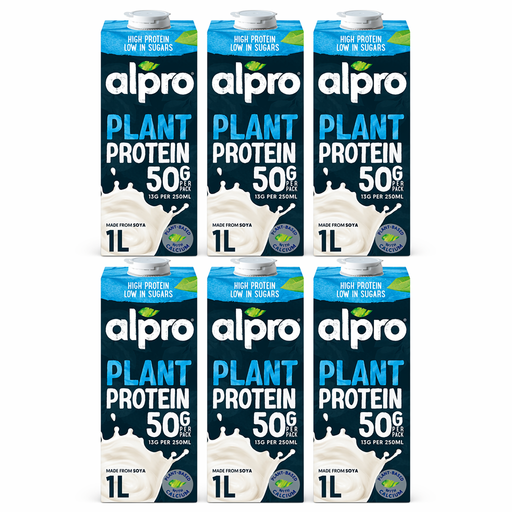 No image available
A soya drink to consider when planning a vegan menu. Check the current pack’s protein declaration and allergens against the resident’s care plan.
 No image available
A soya option for a vegan menu. Tesco’s listing for the named drink declares protein, calcium and vitamins B2, B12 and D; check the current pack and the resident’s soya-allergen requirements.
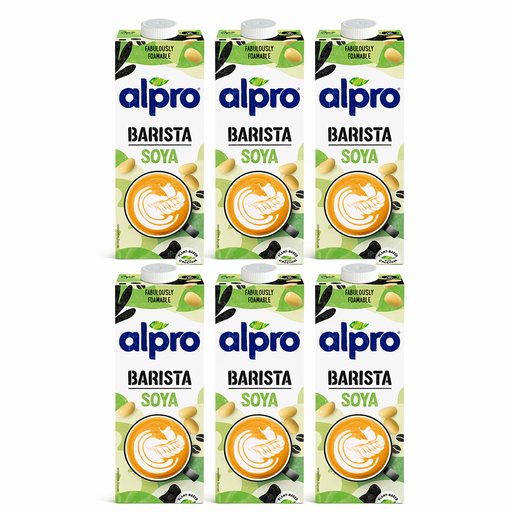 No image available
A soya drink with a barista variant for plant-based coffee service. Check its current vegan labelling, nutrition and allergens before adding it to a resident’s menu.
 No image available
An oat option for plant-based menus. Check the exact pack’s fortification, protein and allergen declaration against the resident’s documented requirements.
 No image available
An almond drink to consider for a plant-based menu. Check the current pack’s vegan labelling and nutrition, and do not serve it where the resident’s plan excludes almonds.
Lactose-free dairy milk is not vegan: Arla identifies its LactoFREE Whole Milk as whole milk without lactose. For a vegan resident, check the suitability labelling on a plant-based alternative.
Check the exact pack’s nutrition and fortification, then consider it within the resident’s full menu. The NHS advises including fortified dairy alternatives in vegan diets, while the British Dietetic Association highlights protein, calcium, folate and vitamin B12 in diets for adults over 65.
No. The Food Standards Agency warns that vegan food is not necessarily free from animal-derived allergens. Follow the resident’s care plan, check the exact pack’s ingredients and allergen information, and use the home’s allergen-control procedure.
Do not substitute it on the basis of vegan suitability alone. Follow the resident’s documented nutrition plan and seek the appropriate clinical advice before changing a prescribed product.