Caterers serving residents with lactose intolerance
Lactose-free cow’s milk may be an option when the resident can have milk protein and their care record permits dairy. Check the exact carton before it reaches their tray.


Choose lactose-free cow’s milk for a resident with lactose intolerance only when their care record permits milk protein: lactose-free milk is still dairy. When a resident must avoid dairy, check a plant drink’s allergen statement and its protein and fortification against their needs rather than assuming all plant drinks are interchangeable. For someone at risk of malnutrition, the milk or drink and its fat level must also fit their documented nutrition plan.
The starting point is the individual resident’s recorded dietary need, not a single milk choice for the whole dining room. GOV.UK’s guidance for institutional caterers says care homes need a process for communicating those needs to the people serving food.
Lactose-free cow’s milk may be an option when the resident can have milk protein and their care record permits dairy. Check the exact carton before it reaches their tray.
A lactose-free cow’s-milk drink does not meet a requirement to avoid milk protein. Choose a product whose current ingredients and allergen declaration fit the resident’s recorded needs, including any other relevant allergens.
Where a resident has low intake or is at risk of malnutrition, the drink must fit their nutrition or food-fortification plan. Norfolk and Waveney ICB’s care-home nutrition guidance identifies malnutrition risk as a particular consideration in care settings.
Consider when: The resident has lactose intolerance, can have milk protein and is permitted dairy in their care record.
Key limit: Removing or reducing lactose does not make cow’s milk dairy-free; the fat level must also fit the resident’s nutrition plan.
Consider when: The resident needs to avoid dairy or follows a vegan diet, and the exact drink meets their recorded allergen and nutrition needs.
Key limit: Ingredients, protein and added nutrients differ between drinks; a plant-based label alone does not establish nutritional equivalence.
Once the dietary route is clear, compare the exact pack with the resident’s nutrition plan and make sure the choice can be followed through at service.
| Priority | What to check | Your needs |
|---|---|---|
| Milk avoidance | Read the resident’s care record; distinguish lactose intolerance from a requirement to avoid milk protein. Check the carton’s ingredients and allergen declaration. The NHS distinguishes food intolerance from food allergy, while Tesco’s listed lactose-free semi-skimmed drink contains milk. | I need the drink on the tray to match this resident’s recorded restriction, whether that means lactose-free dairy or no dairy. |
| Energy and fat | Compare energy and fat using the same amount and units, then follow the individual nutrition plan. Sainsbury’s lists 60 kcal per 100 g for its lactose-free whole drink and 29 kcal per 100 g for its skimmed drink. | If a resident has low intake or a food-fortification plan, I cannot assume skimmed milk is the right default. |
| Plant-drink nutrients | Check protein and calcium per 100 ml, along with any declared iodine and vitamin fortification. The NHS includes unsweetened calcium-fortified plant alternatives in its dairy-and-alternatives food group; the nutrients on an individual carton still matter. | When dairy must be avoided, I want to know what this particular drink contributes to the resident’s diet. |
| Service and handling | Confirm how recorded dietary needs reach serving staff. Inspect the delivered pack’s allergen information and follow its storage instructions; control allergen cross-contact during preparation and service. | The right product needs to reach the right resident, including when cartons are stored, opened and served by different staff. |
Tesco and Sainsbury’s lactose-free dairy drinks list milk among their ingredients. They are not substitutes for a resident who must avoid cow’s-milk protein.
Start with the care record, then check the exact pack’s ingredients and allergen declaration. If dairy avoidance is required, select a drink that meets that requirement and the resident’s other recorded needs.
Whole and skimmed lactose-free dairy drinks provide different amounts of energy. A blanket switch can conflict with an individual food-fortification or nutrition plan.
Use the fat level specified or supported by the resident’s plan; involve the care team or dietitian where nutritional risk is being managed.
A dairy-free drink can meet a milk-avoidance requirement without having the same protein or added nutrients as another drink. Waitrose’s listed Alpro soya drink, for example, declares added calcium, iodine and vitamins, but that declaration does not describe every plant drink.
Compare the exact carton’s nutrition panel, fortification and allergens with the resident’s plan.
An online product description cannot identify which carton is being served or prevent allergen cross-contact in the kitchen.
Check the delivered label and maintain the resident-specific communication and allergen controls described in GOV.UK institutional-catering guidance and Food Standards Agency guidance.
These examples show the types of lactose-free dairy and dairy-free drinks listed by UK retailers; a retailer’s range is not a substitute for checking the product chosen for a resident.
Tesco lists Arla Lactofree whole, semi-skimmed, skimmed and long-life milk drinks; Waitrose also lists a semi-skimmed version.
Tesco lists own-label lactose-free skimmed and semi-skimmed dairy drinks.
Sainsbury’s lists own-label lactose-free skimmed, semi-skimmed and whole dairy drinks.
M&S presents lactose-free whole and semi-skimmed cow’s milk for drinks, cereal and recipes.
Waitrose lists Arla Lactofree dairy drinks alongside plant-based alternatives, including an Alpro long-life soya drink.
These Joybuy options are soya, oat and plant-protein drinks to consider when planning alternatives to cow’s milk. They are not lactose-free cow’s-milk options. For a resident who must avoid dairy, confirm the current carton’s milk and allergen declarations before serving it; the same check is particularly important where the drink is not explicitly identified as dairy-free.
 No image available
A described dairy-free soya drink for residents whose recorded allergens and nutrition plan permit it. It lists 3.3 g protein and zero sugars per 100 ml, with added calcium and vitamins B2, B12 and D; check the carton for the calcium amount needed for an individual comparison. The UHT cartons can be stored in a cool, dry place before opening; refrigerate after opening and use within five days.
 No image available
The 300 ml format offers an individual portion to assess against a resident’s plan. Its listed nutrition is 3.0 g protein, 120 mg calcium and 4.0 g sugars per 100 ml. It contains soya; for a resident who must avoid dairy, check that the current pack is explicitly suitable and review its allergen and cross-contact information before service.
 No image available
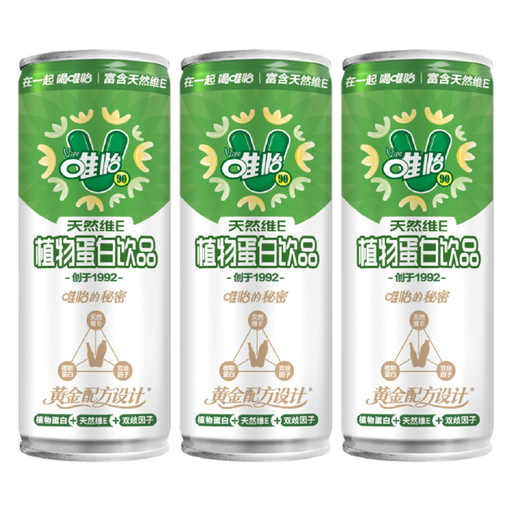
The three-can format may be useful when planning individual servings. Before treating this plant-protein drink as a dairy-free option, check the current can’s ingredients, milk and other allergen declarations, and nutrition panel against the resident’s care record.
 No image available
This described dairy-free oat drink is intended for coffee service, including foaming. It lists 0.8 g protein and 3.0 g sugars per 100 ml, so “no added sugars” should not be read as zero sugars. Added calcium and vitamins B2 and D2 are listed; check the carton for the calcium amount. It contains oats and carries a cereals-containing-gluten allergen declaration. Refrigerate after opening and use within five days.
No. Lactose-free cow’s milk remains a dairy product: Tesco and Sainsbury’s listed lactose-free drinks contain milk. If a resident must avoid dairy or cow’s-milk protein, check a dairy-free alternative against their care record and its current allergen declaration.
Do not serve lactose-free cow’s milk as a substitute for milk avoidance. The NHS distinguishes lactose intolerance from food allergy, and lactose-free cow’s milk can still contain milk protein. Follow the resident’s recorded requirements and allergy-management process; refer an unclear requirement to the appropriate care professional before service.
No. Choose the fat level in line with the resident’s documented nutrition plan, particularly where low intake or malnutrition risk is being managed. Sainsbury’s listed lactose-free whole and skimmed drinks differ in energy, at 60 kcal and 29 kcal per 100 g respectively.
Check the exact drink’s dairy-free and allergen declarations, then compare its protein and declared fortification with the resident’s plan. The NHS identifies unsweetened calcium-fortified plant alternatives as an option within the dairy-and-alternatives food group, but that does not mean every plant drink has the same nutrients.
Use the resident’s care record and a process that communicates its dietary requirements to the people serving food. GOV.UK’s guidance for institutional caterers specifically calls for both in care homes; selecting the right carton is only part of getting the right drink to the right resident.