If lactose is the issue but you can consume milk protein, lactose-free cow’s milk is a dairy option; if you need to avoid milk, choose a dairy-free drink instead. NHS guidance identifies unsweetened, calcium-fortified plant drinks as dairy alternatives. For a post-gym snack, compare protein on the carton and consider what food you will have alongside the drink, particularly when you need to refuel quickly after exercise.
Who is choosing the drink?
The first decision is whether you need to avoid lactose or milk itself; your training and the rest of your snack shape the next checks.
Gym-goers who avoid lactose but still consume dairy
Lactose-free cow’s milk may fit a milk-based snack when lactose is the concern and milk protein is tolerated. Check the ingredients rather than treating “lactose-free” as another way of saying “dairy-free”.
Dairy-free or vegan gym-goers
A lactose-free dairy carton does not exclude milk. Choose a plant drink that meets your ingredient requirements, then compare calcium fortification and protein on its own label.
Shoppers planning food after training
If you need to refuel quickly or have exercised for longer than an hour, consider the drink alongside the rest of your snack. The British Dietetic Association advises carbohydrate-rich food and fluids when quick recovery is required; the British Heart Foundation discusses extra post-exercise protein after longer sessions.
What should you check?
Settle the ingredient question first, then compare the drink’s nutrition panel and how it fits with the food you plan to eat.
| Priority |
What to check |
Your needs |
| Milk ingredients |
Check whether the carton contains milk, even if it says “lactose-free”. The NHS distinguishes lactose intolerance from food allergy; Waitrose & Partners states that its cited Arla LactoFREE milk is unsuitable for people with a milk allergy. |
If I must avoid milk protein, I need a genuinely dairy-free drink. If lactose alone is my concern, I can consider lactose-free dairy. |
| Snack composition |
Compare protein per 100ml and per serving, and consider carbohydrate-containing food alongside the drink. The British Heart Foundation says extra protein after exercise is useful after sessions longer than an hour; the British Dietetic Association advises carbohydrate-rich food and fluids when quick recovery is needed. |
After a longer session, I want to know what the whole snack provides, not judge it by the drink alone. |
| Plant-drink nutrition |
Check whether a dairy-free drink is unsweetened and calcium-fortified, then read its protein value. NHS guidance identifies unsweetened, calcium-fortified plant drinks as dairy alternatives; Norfolk and Waveney Integrated Care Board notes that plant alternatives vary in protein and other nutrients. |
I avoid dairy, but I still want to compare drinks by their own labels rather than assume oat, soya and other options have the same nutrition. |
| Fat and storage |
For lactose-free dairy milk, compare fat and saturates across whole, semi-skimmed and skimmed cartons. Check the use-by date and the pack’s instructions for storing it after opening. |
A drink I use regularly needs a fat level and pack size that fit how I eat and how quickly I will use it. |
Common buying mistakes
-
Reading “lactose-free” as “dairy-free”
Lactose is a sugar in milk; removing or reducing it does not remove milk protein. The cited Arla LactoFREE products contain milk, and Waitrose & Partners warns that its product is unsuitable for people with a milk allergy.
Check whether you need to avoid lactose or milk itself. If you are unsure about an allergy or diagnosis, seek clinical advice rather than trying a lactose-free dairy product to find out.
-
Assuming the drink is the whole post-gym snack
What you need alongside a drink depends on the session and when you next need to refuel. British Heart Foundation guidance discusses extra protein after exercise lasting longer than an hour, while the British Dietetic Association advises carbohydrate-rich food and fluids when quick recovery is required.
Consider the protein in the drink together with any carbohydrate- and protein-containing food you plan to eat. A specialist recovery drink is not automatically necessary after a shorter session.
-
Assuming plant drinks have matching nutrition
Plant alternatives differ in protein, energy and micronutrients, according to guidance from Norfolk and Waveney Integrated Care Board. “Dairy-free” alone does not tell you how a drink compares with milk or another plant drink.
Compare the actual carton’s protein per 100ml or per serving, calcium fortification and sugars. If the drink contributes little protein to your planned snack, consider what you will eat with it.
-
Using an old listing instead of the carton
A previous product description may not describe the exact variant in your hand. Ingredients and storage instructions matter particularly when you are avoiding an allergen or planning to keep an opened carton.
Read the current pack’s ingredients, allergen information, nutrition panel, use-by date and instructions for storage after opening.
Brand and retailer references
These examples help distinguish lactose-free dairy from dairy-free drinks; a retailer’s wider range does not make every carton suitable for both needs.
Arla LactoFREE
The cited whole and skimmed milk drinks are lactose-free dairy choices for shoppers who can consume milk.
- Tesco Groceries lists 3.3g protein and 108mg calcium per 100ml for the cited whole milk drink.
- The cited drinks contain milk and lactase enzyme. Waitrose & Partners states that its Arla LactoFREE product is unsuitable for people with a milk allergy.
Tesco
Tesco Groceries lists own-label lactose-free skimmed and semi-skimmed dairy drinks alongside branded choices.
- The cited own-label listings give shoppers different dairy milk types to compare.
- A lactose-free dairy drink is not a milk-free alternative; check the ingredients on the chosen carton.
M&S Made Without
M&S lists lactose-free dairy milk within a wider Made Without range that also includes separate dairy-free products.
- The cited semi-skimmed lactose-free milk lists milk, reconstituted lactose-reduced milk and lactase enzyme.
- M&S states that its lactose-free products are unsuitable for people with a dairy allergy or galactosaemia. Its separate dairy-free products should not be confused with that milk.
Waitrose
The cited Waitrose & Partners category places lactose-free dairy milk alongside separate oat and soya drinks.
- The listings provide examples of both routes for shoppers deciding whether milk must be excluded.
- The category listing does not make the drinks nutritionally equivalent; compare protein and fortification on the individual carton.
Dairy-free drinks on Joybuy
These soya-based drinks represent the dairy-free side of the post-gym choice. Compare their ingredients and nutrition panels with your snack plan; they are not lactose-free cow’s milk options.
 No image available
Alpro Soya No Sugars Long Life Drink, 8 x 1L
For a dairy-free drink alongside a post-gym snack, compare the carton’s protein and calcium information with your needs. This is a long-life soya drink; check the current pack if you need to avoid soya.
View on Joybuy
 No image available
YON HO Black Soybean Drink, 300ml
The 300ml black soybean drink is a single-pack option to consider with food after training. Its listed sugar content does not match an unsweetened preference; check the current pack for soya and compare its nutrition panel with other drinks.
View on Joybuy
 No image available
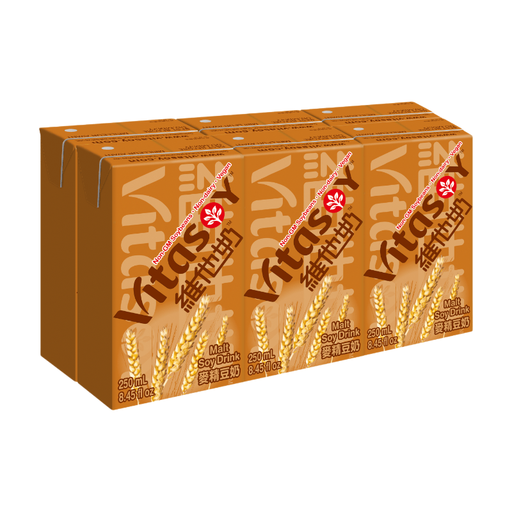
Vitasoy Malted Soy Milk, 250ml x 6
The 250ml cartons offer a portioned drink to have alongside a snack. The product information lists soya and barley from malt extract, as well as sugar; check the current ingredients and compare the nutrition panel if either affects your choice.
View on Joybuy
Questions about post-gym drinks
Is lactose-free milk dairy-free?
No. The cited Arla and M&S lactose-free drinks contain milk, so they are not suitable substitutes when milk protein must be avoided. If you need to exclude milk or follow a vegan diet, check the ingredients of a genuinely dairy-free drink instead.
Do I need a special drink after a gym session under an hour?
Not necessarily. British Heart Foundation guidance places the emphasis on regular meals containing protein after exercise lasting less than an hour. Choose between lactose-free dairy and a dairy-free drink according to your ingredient needs, and consider how the drink fits into your usual food.
What can I have with lactose-free milk after a longer session?
Consider carbohydrate-containing food and the protein in the whole snack, rather than relying on the milk alone. British Heart Foundation guidance discusses extra protein after exercise lasting longer than an hour, while the British Dietetic Association advises carbohydrate-rich food and fluids when quick recovery is needed.
What should I check on a dairy-free drink carton?
Start with the ingredients if you must avoid milk or another allergen, then check calcium fortification, protein and sugars on the nutrition panel. NHS guidance identifies unsweetened, calcium-fortified plant drinks as dairy alternatives, but the values need to be checked on the drink you choose.


