Breakfast managers serving guests avoiding lactose
Choose a lactose-free cow's-milk format that fits breakfast demand, from chilled cartons to long-life cartons or portions. The milk allergen still needs to be identified.


Choose lactose-free dairy milk for guests avoiding lactose who still want cow's milk, but identify it as containing milk. For guests who need a dairy-free option, check a separate product's current allergen and cross-contact information before offering it. Chilled cartons suit predictable turnover; unopened long-life cartons or individual portions offer different ways to manage variable demand.
Choose a lactose-free cow's-milk format that fits breakfast demand, from chilled cartons to long-life cartons or portions. The milk allergen still needs to be identified.
Keep lactose-free dairy milk distinct from dairy-free drinks, and make current allergen information available for each item served.
Consider unopened long-life cartons or individual portions alongside chilled stock, so the amount opened reflects expected use.
Consider when: Breakfast demand is predictable and there is refrigerated space for opened milk.
Trade-off: Opening a carton commits the hotel to its labelled storage and use instructions, whether or not guests finish it.
Consider when: Occupancy varies and an unopened reserve is useful.
Trade-off: Long-life lactose-free dairy milk still contains milk; once opened, follow the carton's refrigeration instructions.
Consider when: Milk is served individually with tea or coffee, or expected uptake is low.
Trade-off: Small portions create more individual packaging and do not remove the need to identify milk as an allergen.
| Priority | What to check | Your needs |
|---|---|---|
| Milk allergen | Read the milk ingredient and allergen declaration. NHS guidance distinguishes lactose intolerance from food allergy; Arla Foods UK and Marks & Spencer identify milk in their lactose-free dairy products. | I need guests and staff to recognise that lactose-free cow's milk is not a milk-free drink. |
| Buffet information | Check the current pack and supplier information for every drink, then keep buffet labels and staff information consistent with what is served. GOV.UK and Food Standards Agency guidance for England, Northern Ireland and Wales identifies milk as an allergen requiring food-business allergen information. | Guests should be able to identify the drink they are taking and ask about its allergens without staff having to guess. |
| Pack and storage | Compare carton or portion size with expected uptake; check unopened storage conditions and the exact instructions after opening. Arla Foods UK lists UHT portions for cool, dry storage, while Tesco's chilled dairy drink requires refrigeration. | At a quiet or unpredictable breakfast, I want to open only the amount likely to be used. |
| Milk style | Choose whole, semi-skimmed or another listed style according to the breakfast offer. Compare nutrition declarations on the actual packs using the same per 100ml or per-serving basis. | Guests may want a familiar choice of milk style; that preference does not change whether a dairy product contains milk. |
Arla Foods UK, Marks & Spencer and Waitrose & Partners identify milk in the lactose-free dairy products they list. A guest with a milk allergy could mistake an unclear label for a suitable alternative.
Label dairy milk and dairy-free drinks separately. Check the alternative's current allergen and cross-contact information before relying on it for a guest with a milk allergy, and give staff a clear way to answer questions.
An opened carton has different storage and use requirements from unopened UHT stock. Opening more than the buffet uses can leave milk to discard.
Match chilled cartons to dependable turnover; consider unopened long-life cartons for a reserve and portions for controlled, lower-volume service. Follow each pack's instructions after opening.
A buffet allergen record needs to describe the product actually being served, including any change of supplier or recipe.
Check delivered packs at goods-in and update the buffet's allergen information when the product changes.
A lactose-free claim concerns lactose; it does not describe every allergen in the drink or elsewhere on the breakfast buffet.
Provide item-specific allergen information rather than applying one claim to the whole spread.
Arla Foods UK lists lactose-free dairy milk in chilled and UHT formats, including 5 x 20ml semi-skimmed UHT portions.
Tesco lists a 1L lactose-free semi-skimmed dairy drink containing milk and lactase enzyme.
Sainsbury's lists a 1L lactose-free semi-skimmed dairy drink made with cows' milk, lactose-reduced milk and lactase enzyme.
Marks & Spencer lists lactose-free cow's-milk products, including semi-skimmed milk.
Waitrose & Partners lists Arla LactoFREE whole milk drink as a retail option.
These Joybuy options are non-dairy drinks to consider alongside, not in place of, a separately labelled lactose-free dairy-milk offering. Check each delivered pack's allergen information before buffet service.
 No image available
The 8 x 1L long-life carton pack is an oat-drink option for planning breakfast stock when demand varies. Check the delivered pack for its oat and gluten allergen declaration, other relevant allergen information and instructions after opening before serving it.
 No image available
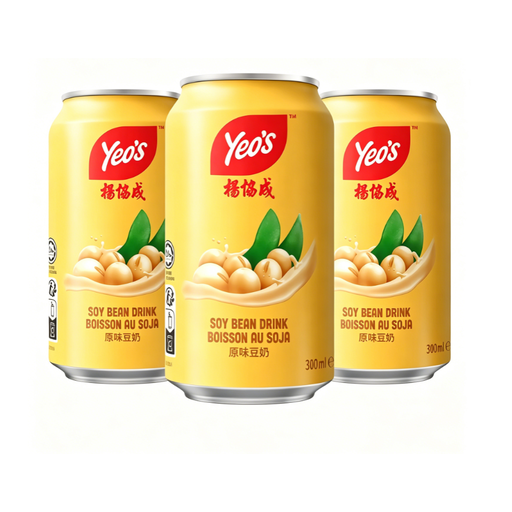
The three 300ml bottles offer smaller servings than a 1L carton for controlled drink service. Soy is an allergen: check the current label, cross-contact information and storage instructions before deciding where this drink fits on the buffet.
No. The lactose-free dairy milks listed by Arla Foods UK, Marks & Spencer and Waitrose & Partners still contain milk. If offering a non-dairy drink instead, check its current ingredients, allergen declaration and cross-contact information for that guest's requirements.
No. NHS guidance describes lactose intolerance as a reaction to lactose, a sugar in dairy products, and distinguishes food intolerance from food allergy. Staff should not treat a request for one as permission to substitute a drink intended for the other.
Choose chilled lactose-free dairy cartons when turnover and refrigeration are dependable, unopened long-life cartons when a reserve is useful, or UHT portions for controlled individual service. Each dairy format still contains milk; follow the specific pack's instructions after opening.
Yes, where milk is present as an ingredient. GOV.UK and Food Standards Agency guidance for England, Northern Ireland and Wales requires food businesses to provide allergen information for prepacked and non-prepacked food and drink and identifies milk among the allergens. Hotels in Scotland should check the applicable Food Standards Scotland requirements when setting their procedure.