What matters when choosing a baking ingredient?
Decide whether the bake must avoid lactose or cow’s-milk proteins before comparing oat, soya and lactose-free cow’s milk. Then check the particular drink against the recipe and the child’s other dietary requirements.
Lactose-free cow’s milk
Consider it when: Lactose is the issue, the child can have cow’s-milk proteins and the recipe calls for dairy milk; M&S says its lactose-free milk can be used in recipes.
Important limit: It still contains cow’s-milk proteins, so it does not meet a dairy-free requirement.
Dairy-free plant drink
Consider it when: Cow’s-milk proteins must be avoided and the chosen oat or soya drink suits the child’s other ingredient and allergen requirements.
Important limit: A dairy-free label does not settle soya, oat or other relevant allergen questions, and one brand’s suggested baking uses do not guarantee the result of every recipe.
| Priority |
What to check |
When it matters to me |
| Milk ingredients |
Check whether the drink is lactose-free cow’s milk or genuinely dairy-free. For a child avoiding milk proteins, read the exact ingredients and allergen information rather than relying on a supermarket category. |
I need to know whether the recipe must avoid lactose or cow’s-milk proteins. Allergy UK explains that these are different requirements. |
| Baking use |
Check whether the chosen product is described for cooking or baking, and keep the recipe quantity unchanged for an initial substitution. If a dairy-milk recipe specifies whole milk, check the fat level of the lactose-free milk selected. |
For cakes, pancakes or muffins, I want to make a deliberate swap rather than change several recipe ingredients at once. M&S describes recipe use for its lactose-free milk; Alpro describes baking uses for its oat and soya drinks. |
| Other ingredients |
Read the full ingredients and allergen information on the particular carton, including when changing flavour or variant. Check whether oats or soya are appropriate for the child. |
A drink may be dairy-free yet contain another ingredient my child needs to avoid. The product name or shelf label is not enough for that decision. |
| Everyday use |
If the drink also replaces dairy regularly, compare the exact products’ ingredients and nutrition panels. The NHS identifies unsweetened calcium-fortified plant alternatives as dairy alternatives; suitability still depends on the child’s circumstances. |
For a one-off bake, I’m choosing a recipe ingredient. If the same drink will be used throughout the week, I also need to consider what the particular carton provides. |
| Pack and storage |
Check the pack quantity, whether it is chilled or long-life, and the carton’s instructions after opening. Confirm the exact product before substituting a different variant. |
I may need only part of a carton for pancakes, or several cartons for planned baking. Storage instructions affect what I can use later. |
Brand and retailer references
These names help distinguish lactose-free cow’s milk from dairy-free drinks; a retailer’s mixed range does not make every listed product suitable for the same child or recipe.
Arla Lactofree
A lactose-free cow’s-milk line listed by Tesco and Sainsbury’s.
- Retailer listings include different milk types and pack formats.
- It remains dairy milk, not an option for avoiding cow’s-milk proteins.
Tesco
Tesco Groceries lists own-label lactose-free skimmed and semi-skimmed dairy drinks alongside Arla Lactofree products.
- The listed own-label drinks provide further lactose-free dairy choices.
- Check the individual product rather than assuming a lactose-free category is dairy-free.
Sainsbury’s
Sainsbury’s listings include lactose-free dairy drinks and plant drinks such as oat and soya options.
- The range allows shoppers to compare the two ingredient routes.
- Products within the same category can differ in milk content and other allergens.
M&S
M&S Food describes whole and semi-skimmed lactose-free cow’s milk for use in recipes.
- M&S says these milks behave like full-dairy alternatives in recipes.
- That is a brand statement about baking use, not a claim that the milk is dairy-free.
Waitrose
Waitrose & Partners lists both Arla Lactofree milk and oat drinks in its dairy-and-lactose-free range.
- Its range includes products from both lactose-free dairy and dairy-free routes.
- Check each product’s ingredients and intended baking use separately.
Joybuy dairy-free drink options
These oat and soya drinks represent the dairy-free route for baking. They are not lactose-free cow’s-milk options, and their other ingredients still need to suit the child.
 No image available
Alpro Soya No Sugars Long Life Drink, 8 × 1L
A dairy-free soya option for a bake where soya is appropriate; its product description mentions cooking and baking.
The pack contains eight 1L long-life cartons. It contains soya, so check the exact carton’s allergen information before using it for a child. The stated baking use does not establish how a particular recipe will turn out.
View on Joybuy
 No image available
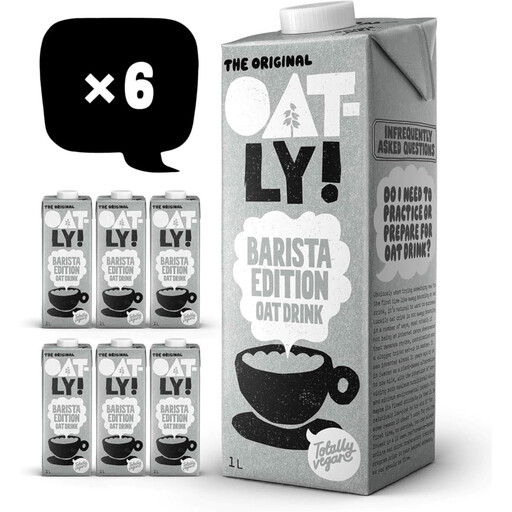
Oatly Long Life Barista Oat Drink, 6 × 1L
A dairy-free oat option whose product description mentions baking; check whether oats suit the child before adding it to a recipe.
The pack contains six 1L long-life cartons. The description says to refrigerate after opening and use within seven days. It also says the drink is not suitable as a complete milk substitute for infants or young children; a stated baking use should not be read as advice to use it that way.
View on Joybuy
 No image available
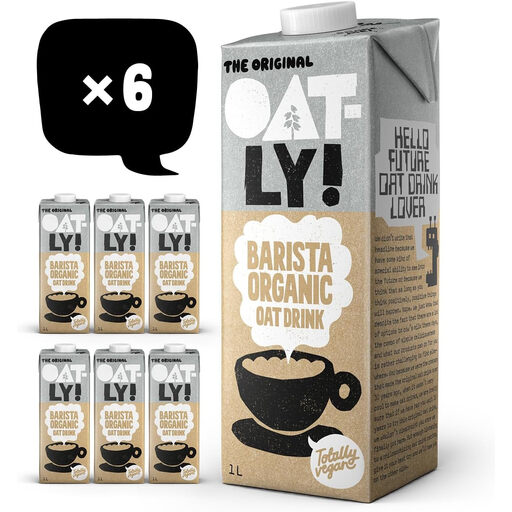
Oatly Organic Barista Oat Drink, 6 × 1L
A dairy-free oat option described for baking and cooking; check the exact carton if oats or other ingredients are a concern.
The pack contains six 1L cartons. The product description says to refrigerate after opening and consume within five days. If fortification or sugar content matters for wider use, compare the current carton’s ingredients and nutrition panel rather than assuming it matches another Oatly variant.
View on Joybuy
Frequently asked questions
Is lactose-free milk dairy-free?
No. Lactose-free cow’s milk is still dairy milk and should not replace a dairy-free ingredient when cow’s-milk proteins must be avoided. Allergy UK explains that a cow’s-milk-free diet avoids proteins including whey and casein, whereas lactose intolerance concerns milk sugar.
Can I use lactose-free cow’s milk in cakes or pancakes?
Yes, when cow’s milk is appropriate for the child. M&S says its lactose-free whole and semi-skimmed milks can be used in recipes; start with the recipe’s stated quantity and check the chosen milk type if the recipe specifies whole milk.
Can oat or soya drinks go into a bake?
They can be considered when the chosen drink’s ingredients suit the child. Alpro describes baking uses for its oat drinks and mentions muffins for its soya drink, but these brand statements do not guarantee the result in every recipe. Check the carton and try the substitution in a familiar recipe first.
What should I check on a carton for a dairy-free bake?
Check the full ingredients and allergen information on the exact carton, not just its front label or shelf category. Pay particular attention when changing from oat to soya, or buying a different variant of a familiar drink.
Does fortification matter for a child’s plant drink?
It matters particularly if the drink regularly replaces dairy rather than appearing in one bake. The NHS identifies unsweetened calcium-fortified plant alternatives among dairy alternatives. Compare the exact product labels and seek appropriate professional advice if a child has an allergy, a restricted diet or nutritional concerns.


