If lactose causes digestive symptoms but you can consume cow’s-milk proteins, compare lactose-free dairy milks by their protein, carbohydrate, fat and serving size rather than the “free-from” wording alone. Skimmed, semi-skimmed and whole versions offer different fat and energy levels; none is a substitute for a milk-allergy-safe drink. When quick refuelling is needed after exercise, the British Dietetic Association also advises carbohydrate-rich foods and fluids.
Who needs to make this choice?
Exercisers who experience symptoms after lactose
If you can consume milk proteins but experience digestive symptoms after lactose-containing dairy, lactose-free dairy milk is one option to consider after exercise. The NHS distinguishes food intolerance from food allergy; the distinction matters before choosing a milk-based drink.
People comparing milk-fat levels
If you want dairy milk after exercise, the skimmed, semi-skimmed and whole variants give you different amounts of fat and energy. Compare the nutrition panels using the same quantity and consider what else you will eat or drink after the session.
Shoppers who must avoid cow’s milk
Lactose-free dairy milk still contains milk ingredients. If you need to avoid milk proteins, use the ingredient and allergen declarations to assess a genuinely dairy-free alternative instead; Arla and M&S warn that their lactose-free dairy products are unsuitable for people with a milk allergy.
What should you check on the carton?
Start with the milk allergen and lactose information, then compare the nutrients in the portion you would actually drink after exercise.
| Priority |
What to check |
Your needs |
| Lactose and milk |
Read the lactose-free claim, full ingredients and milk-allergen declaration. Check a dairy-free alternative’s own allergen information if you must avoid milk. |
I need to know whether lactose is the issue or whether I must avoid milk itself. The NHS distinguishes intolerance from food allergy, and lactose-free dairy milk can still contain milk proteins. |
| After-exercise food |
Compare protein and carbohydrate per 100ml or 100g, then calculate what your usual serving contributes. Consider the time until your next session and what food or fluids will accompany the drink. |
When I need to refuel quickly, I do not want to treat a glass of milk as the whole plan. The British Dietetic Association advises starting carbohydrate-rich foods and fluids as soon as possible when quick recovery is required. |
| Fat and energy |
Confirm whether the carton is skimmed, semi-skimmed or whole. Compare fat and energy on the nutrition panels, taking care not to treat values per 100ml and per 100g as identical measures. |
I may prefer less fat in my drink, or I may want the greater fat and energy of a whole-milk variant to fit my wider diet. Lactose-free status does not tell me which variant I am holding. |
| Storage |
Read the current pack’s use-by date, refrigeration instructions and directions for use after opening. Check the label again when buying a different variant or format. |
I want a drink I can store and use as directed around my training routine, rather than assuming every lactose-free milk has the same instructions. |
Mistakes to avoid
-
Treating “lactose-free” as “dairy-free”
Lactose-free cow’s milk can still contain milk proteins. Arla and M&S explicitly warn that their lactose-free dairy products are unsuitable for people with a milk allergy.
Read the milk-allergen declaration and ingredients on the current pack. If you suspect a milk allergy, seek appropriate clinical advice rather than using a lactose-free dairy product as a substitute.
-
Assuming lactose-free means sufficient recovery food
The lactose claim says nothing about the protein, carbohydrate or energy in your serving. The British Dietetic Association advises carbohydrate-rich foods and fluids when quick refuelling is required after exercise.
Check the nutrients in the portion you plan to drink, then consider the session and the time until you exercise again when choosing accompanying food and fluids.
-
Choosing by brand instead of milk-fat level
Skimmed, semi-skimmed and whole lactose-free dairy drinks differ in fat and energy. A brand name alone does not identify the nutrition of the variant in your basket.
Choose the milk-fat level that fits your wider diet, then confirm the exact variant and its nutrition panel.
-
Using a listing in place of the carton
Ingredients, allergen information and storage directions need to apply to the pack you will use.
Before drinking, read that pack’s ingredient and allergen statements, use-by date and instructions for storage after opening.
Brands and retailers to compare
These references cover lactose-free dairy lines and a retailer listing; check the exact product and variant rather than assuming that information applies across a whole brand.
Arla LactoFREE
Arla’s lactose-free dairy line includes skimmed, semi-skimmed and whole variants. Tesco’s listing for the semi-skimmed drink states that it contains less than 0.03% lactose.
- The range offers a choice of milk-fat levels.
- It remains dairy milk: the Arla listing at Waitrose warns that it is unsuitable for people with a milk allergy.
Tesco
Tesco’s own-label lactose-free dairy range includes skimmed and semi-skimmed drinks.
- The skimmed variant offers a different milk-fat level from the semi-skimmed option.
- Tesco lists skimmed milk among the skimmed drink’s ingredients, so it is not dairy-free. Check the current pack for ingredients and nutrition.
Sainsbury’s
Sainsbury’s Everyday Lactose Free Skimmed Dairy Drink is an own-label cow’s-milk option for shoppers comparing skimmed variants.
- Sainsbury’s product information lists 3.4g protein and less than 0.5g fat per 100g.
- It contains skimmed cow’s milk; read the current label before use.
M&S
M&S Made Without Lactose includes semi-skimmed and whole cow’s-milk variants.
- Its semi-skimmed label lists 3.2g protein and 1.7g fat per 100g; compare the whole variant’s own panel if considering that option.
- M&S states that its lactose-free products are unsuitable for people with a dairy allergy or galactosaemia.
Waitrose
Waitrose lists Arla LactoFREE semi-skimmed milk alternative in a 1-litre format. This is a retailer listing for Arla, not a separate Waitrose milk line.
- The Arla listing provides product-specific ingredients, nutrition and storage information to check against the pack.
- The listed Arla drink is milk-based and carries a milk-allergy warning.
Joybuy product options
This plant-based drink is an alternative to the lactose-free dairy milks discussed above. Assess its own ingredients, allergen information and serving-size nutrition rather than applying dairy-milk comparisons to it.
 No image available
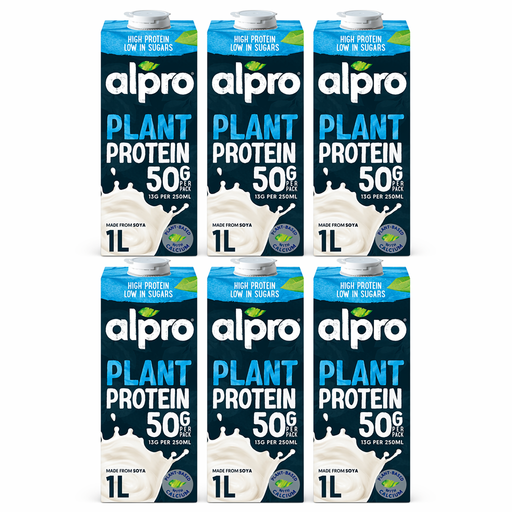
6 Alpro Plant Protein 1L
A plant-based option to consider after exercise if you want an alternative to dairy milk. It contains soya; if you must avoid milk, check the current pack for milk-allergen and cross-contact information. Compare its protein and carbohydrate per serving with what you plan to eat after training.
View on Joybuy
Common questions
Can I drink lactose-free dairy milk if I have a cow’s-milk allergy?
No: lactose-free dairy milk can still contain milk proteins. The NHS distinguishes food intolerance from food allergy, while Arla and M&S warn that their lactose-free dairy products are unsuitable for people with a milk allergy. Check ingredients and allergen declarations when choosing a dairy-free alternative, and seek clinical advice if you suspect an allergy.
Is a glass of lactose-free milk enough after exercise?
A glass contributes the nutrients shown on its label, but it is not automatically a complete after-exercise meal. When quick refuelling is required, the British Dietetic Association advises starting carbohydrate-rich foods and fluids as soon as possible. Check what your actual serving provides and what else you will eat or drink.
Should I choose skimmed, semi-skimmed or whole lactose-free milk?
Choose by the fat and energy level that fits your wider diet, alongside the protein and carbohydrate in your serving. Skimmed, semi-skimmed and whole are different variants, not interchangeable nutrition labels; compare the exact cartons on the same per-100ml or per-100g basis before deciding.
How should I store lactose-free milk?
Follow the instructions on the exact carton you buy, including its use-by date, refrigeration directions and guidance after opening. Do not assume that another variant or a plant-based drink has the same storage requirements.


