Organic-first dairy shoppers
You want lactose-free cow’s milk for roast-side cooking and need to check an organic claim on the specific product, not rely on a general description of how it was produced.


For roast-side cooking that calls for lactose-free cow’s milk and an organic product, check the exact carton for both claims and an organic certification mark; Arla Lactofree Organic Semi Skimmed Milk Drink is one documented option. If someone eating the meal has a cow’s-milk allergy, lactose-free dairy is not suitable: choose an appropriate milk-free alternative and check its allergens instead. A lactose-free whole milk is another option when its fat level matters more to the recipe than the organic requirement.
You want lactose-free cow’s milk for roast-side cooking and need to check an organic claim on the specific product, not rely on a general description of how it was produced.
You need milk for the recipe and want to decide whether an organic semi-skimmed option or a lactose-free whole milk has the fat level you are looking for.
You need to establish whether the requirement is to avoid lactose or cow’s milk itself. As the NHS distinguishes lactose intolerance from milk allergy, that difference determines whether lactose-free dairy is an option.
Start with the eater’s milk-allergen requirements, then check organic status and the fat level the recipe calls for.
Choose when: The recipe calls for dairy milk, lactose-free milk is suitable for everyone eating it, and organic status matters.
Bear in mind: Arla’s documented organic lactose-free option is semi-skimmed and still contains milk.
Choose when: You want lactose-free dairy with the fat level of whole milk and organic status is optional.
Bear in mind: Do not treat a whole-milk listing as organic without checking the exact product.
Choose when: Cow’s milk must be avoided and a suitable plant-based drink fits the recipe.
Bear in mind: Check the individual drink’s allergens and organic certification; its cooking behaviour should not be assumed to match dairy milk.
| Priority | What to check | Your needs |
|---|---|---|
| Organic status | Check that the exact product is labelled organic and look for its organic control-body information. Sainsbury’s lists Soil Association Organic and GB-ORG-05 for Arla Lactofree Organic Semi Skimmed Milk Drink. | I want the milk going into the roast recipes to have a checkable organic claim, not just appear in an organic or free-from category. |
| Milk allergens | Read the allergen statement on the exact pack. Lactose-free cow’s milk still contains milk; Gloucestershire Hospitals NHS Foundation Trust distinguishes lactose intolerance from cow’s-milk allergy. | If someone eating the meal must avoid cow’s milk, I need a suitable milk-free product rather than lactose-free dairy. |
| Cooking and fat level | Check whether the product is intended for cooking and compare fat values on the same basis. Arla UK lists 1.5 g fat per 100 ml for its organic semi-skimmed drink; Tesco lists 3.6 g per 100 ml for Arla’s lactose-free whole milk. | For sauce or mash, I want to choose the fat level deliberately while keeping track of whether organic status is still a requirement. |
Lactose-free cow’s milk still contains milk. Gloucestershire Hospitals NHS Foundation Trust distinguishes lactose intolerance from cow’s-milk allergy, for which cow’s milk must be avoided.
Establish which ingredient needs to be avoided before choosing the milk, and check the allergen statement of any alternative.
A retailer category can contain organic and non-organic products, including both dairy and plant-based drinks.
Check the exact product name and carton for the organic claim and control-body information. Sainsbury’s lists Soil Association Organic and GB-ORG-05 for the Arla organic semi-skimmed product.
Arla UK lists 1.5 g fat per 100 ml for its organic lactose-free semi-skimmed drink, while Tesco lists 3.6 g per 100 ml for Arla lactose-free whole milk. These are different products, and the cited whole-milk option does not establish an organic choice.
Decide whether the recipe’s desired fat level or the organic requirement takes precedence before selecting a carton.
A 1 L carton may also be used for drinks or other cooking, but an opened carton still needs to be used according to its pack instructions.
Estimate what the gravy, mash and baking will require, then check the exact carton’s storage and use-by instructions.
Arla UK lists an Organic Semi Skimmed Milk Drink in a 1 L carton and describes it as suitable for baking and cooking.
Tesco lists Arla Lactofree Organic Semi Skimmed Milk 1 L as an organic, lactose-free dairy product.
Sainsbury’s lists the 1 L Arla organic lactose-free semi-skimmed drink.
Waitrose lists the Arla organic lactose-free semi-skimmed drink alongside other lactose-free and plant-based drinks.
M&S lists lactose-free whole and semi-skimmed cow’s milk for shoppers whose choice does not depend on organic certification.
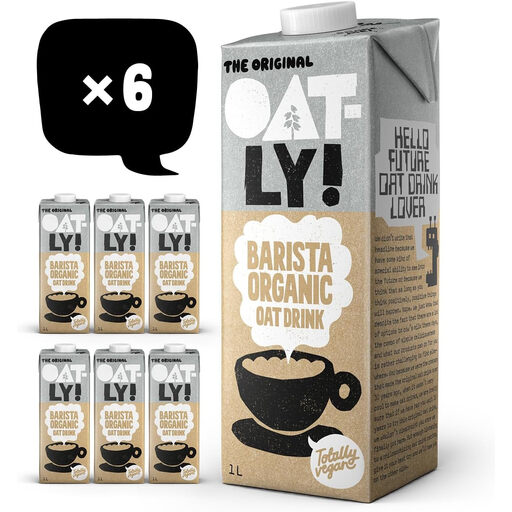
This oat drink is a plant-based option to consider when the roast meal needs to avoid cow’s milk. It is not lactose-free cow’s milk; check the exact pack’s allergens and organic certification against the meal’s requirements.
 No image available
Consider this oat drink for roast-side cooking or baking if a plant-based drink suits the recipe. The pack contains six 1 L cartons; check whether that quantity fits your plans, and confirm the exact pack’s organic certification and allergen information before use.
Check the organic claim and control-body information for the exact product, rather than relying on the shelf category. Sainsbury’s listing for Arla Lactofree Organic Semi Skimmed Milk Drink shows Soil Association Organic and GB-ORG-05 information; check the carton you choose as well.
Yes, Arla UK describes its Organic Semi Skimmed Milk Drink as suitable for baking and cooking. It lists 1.5 g fat per 100 ml, so check whether that fat level fits the sauce, mash or bake you plan to make.
No. Lactose-free cow’s milk still contains milk; Gloucestershire Hospitals NHS Foundation Trust distinguishes lactose intolerance from cow’s-milk allergy. Choose an appropriate milk-free alternative and check its full allergen statement.
Check the use-by date and the storage and after-opening instructions on the exact carton. Plan how much the roast recipes will use before opening it.