Households making vegan snacks
For cereal, porridge, smoothies or baking without dairy milk, start with a drink explicitly labelled vegan. If third-party certification matters, look for the Vegan Trademark on the exact carton.


For vegan half-term snacks, choose a drink labelled vegan rather than lactose-free dairy milk: lactose-free dairy is still animal milk. If a plant drink will regularly replace dairy for a child over one, compare the exact carton’s nutrients; if milk allergy is involved, check its allergen information rather than relying on a vegan claim.
For cereal, porridge, smoothies or baking without dairy milk, start with a drink explicitly labelled vegan. If third-party certification matters, look for the Vegan Trademark on the exact carton.
Lactose-free dairy may fit snacks and drinks when dairy itself is acceptable. Arla describes its LactoFREE range as real dairy without lactose, so it does not meet a vegan or dairy-free requirement.
For a child over one who regularly has a plant drink instead of dairy, compare calcium, iodine, protein and energy on the exact carton. Kingston and Richmond NHS Foundation Trust advises checking fortified dairy substitutes when a child cannot consume dairy.
Settle the dietary requirement first, then compare the label for the person drinking it and the way you plan to use it.
| Priority | What to check | Your needs |
|---|---|---|
| Vegan suitability | Check whether the drink is dairy or explicitly labelled vegan. If certification is required, look for the Vegan Trademark on that product; lactose-free wording alone does not establish vegan suitability. | I need the cereal, porridge or smoothie to contain no intentionally used animal-derived milk, not just less lactose. |
| Regular dairy replacement | For a child over one, compare calcium, iodine, protein and energy per 100ml on the exact carton. The UK government’s 2025 assessment notes that plant drinks vary considerably in nutrient content. | If this will regularly replace dairy for my child, I want to compare the nutrients in the drinks I am considering, rather than choose by oat or soya flavour alone. |
| Milk allergy | Read the ingredients, allergen declaration and any precautionary statement on the current pack. UK government food-labelling guidance does not treat a vegan label as a guarantee against animal-origin cross-contact. | Someone eating the snack has a milk allergy, so vegan wording on its own cannot answer my allergen question. |
| Snack planning | Check whether the carton is chilled or long-life, its size and its instructions after opening. Match these details to the snacks you plan to make. | For several breakfasts or smoothies across half term, I need a carton size and storage instructions that fit our plans. |
Lactose-free dairy still comes from animal milk, so it will not meet a vegan requirement.
Choose according to the actual dietary requirement: look for a vegan drink for vegan snacks, or lactose-free dairy when dairy is acceptable but lactose is not.
A vegan claim does not settle whether milk cross-contact is a concern for a particular product.
For a milk-allergy decision, read the current ingredients, allergen declaration and any precautionary statement, even if the carton says vegan.
Plant drinks vary in nutrient content, as the UK government’s 2025 assessment explains. Two drinks that work in the same smoothie need not have the same nutrition information.
For a child over one, compare calcium, iodine, protein and energy per 100ml on the cartons under consideration.
Neither description tells you the calcium or iodine content of the exact drink.
Read its ingredients and nutrition panel when fortification matters to your choice.
A lactose-free dairy range, rather than a vegan milk alternative.
Its cited Arla LactoFREE Whole Milk listing provides an example of lactose-free dairy.
Its cited Alpro soya drink listing describes a plant-based, lactose-free drink suitable for vegans.
Its Plant Kitchen Whole Oat Drink is described as vegan-friendly.
Its vegan milk-alternatives range includes listed soya and oat drinks.
These soy drinks are relevant to cereal, breakfast or smoothies. Check the exact carton’s vegan status before choosing either for a vegan snack.
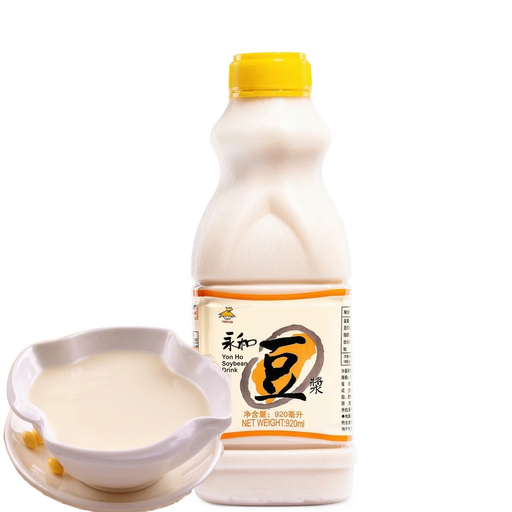 No image available
This soy drink is described for cereal and smoothies. If it will regularly replace dairy for a child, compare the carton’s calcium, iodine and other nutrition information; also check its vegan designation and allergen statements for the intended snack.
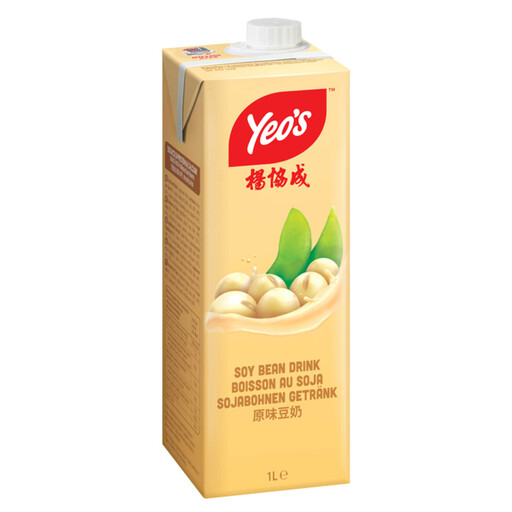 No image available
This non-dairy soy drink is described for breakfast and smoothies. Check the exact pack for a vegan claim, calcium and iodine information if it will regularly replace dairy for a child, and allergen statements where relevant.
No. Arla explains that lactose-free dairy remains real dairy without lactose. For vegan cereal, porridge or baking, choose a drink explicitly labelled vegan instead.
No. UK government food-labelling guidance says a vegan label does not guarantee the absence of animal-origin ingredients through cross-contact. Check the exact pack’s ingredients, allergen declaration and any precautionary statement.
For a child over one, compare calcium, iodine, protein and energy on the exact carton. Kingston and Richmond NHS Foundation Trust advises checking fortified dairy substitutes when a child cannot consume dairy, while the UK government notes that plant drinks vary considerably in nutrient content.
Not before age one, according to Frimley Healthier Together NHS guidance on plant-based dairy alternatives. Its guidance distinguishes use in cooking from use as a main milk drink; discuss individual feeding or allergy needs with a healthcare professional.
Look for the Vegan Trademark on the exact carton if third-party certification is important to you. The Vegan Society says its trademark covers products that do not contain animal-based ingredients and are not tested on animals by the company or on its behalf.