Hosts serving a lactose-intolerant guest
Lactose-free dairy milk may suit drinks or recipes if the guest can consume cow’s-milk protein. Confirm that distinction before choosing a carton.


For an anniversary dinner, choose lactose-free cow’s milk if a guest avoids lactose but can consume milk proteins. Choose a dairy-free plant-based drink for a vegan guest or someone who must avoid cow’s milk: lactose-free does not mean milk-free. Confirm each guest’s requirements, check the carton’s ingredients and allergen information, and choose a drink described for the coffee or recipe you plan to make.
Lactose-free dairy milk may suit drinks or recipes if the guest can consume cow’s-milk protein. Confirm that distinction before choosing a carton.
Choose a genuinely dairy-free route rather than assuming lactose-free milk is milk-free. Check the ingredients and allergen information of every product you intend to serve.
Match the drink to its planned use. A maker’s guidance for coffee, cooking or baking is more useful for that choice than the broad description “milk alternative”.
Choose when: A guest avoids lactose, can consume milk proteins and wants dairy milk for drinks or a recipe.
Bear in mind: It remains cow’s milk, so it does not meet a vegan or milk-allergy requirement.
Choose when: A guest needs to avoid cow’s milk or wants a vegan drink, subject to the exact product’s ingredients and allergen information.
Bear in mind: Check the maker’s stated uses before relying on a particular carton for coffee, sauce or baking.
| Priority | What to check | Your needs |
|---|---|---|
| Guest’s requirements | Ask whether the guest avoids lactose, cow’s milk or other ingredients. Check whether a drink labelled lactose-free is still dairy. | I need a drink that fits the guest’s actual requirement, not just a carton from a free-from shelf. |
| Ingredients and allergens | Read the exact carton’s ingredients and allergen declaration. Check other ingredients in the dish too. | If I am preparing a shared meal, I need to know what is in each drink and recipe ingredient before serving it. |
| Planned use | Look for maker guidance covering the intended coffee, tea, cooking or baking use. Check the particular recipe separately. | A drink for after-dinner coffee may not be the one I want to use in a sauce or dessert. |
| Carton format | Check the pack size and whether the carton is chilled or long-life. Follow its storage instructions before and after opening. | I may be shopping ahead for dinner or serving several drinks, so the format needs to fit that plan. |
Lactose-free cow’s milk still contains milk proteins. Allergy UK distinguishes lactose intolerance from cow’s-milk allergy; confusing them matters when serving a milk-allergic guest.
Ask which ingredients the guest avoids. Use lactose-free dairy only if milk protein is suitable; otherwise check a dairy-free product’s allergen information.
A drink chosen for coffee does not, by that description alone, establish how it will work in a sauce or dessert.
Choose a product whose maker describes the use you have planned. If the recipe is central to dinner, try it beforehand.
Related supermarket browsing areas can contain both lactose-free dairy drinks and dairy-free plant-based drinks.
Read the individual product name, ingredients and allergen declaration when buying, and keep the carton available while preparing the meal.
Tesco, Sainsbury’s and Waitrose list products from this lactose-free dairy range.
Tesco’s lactose-free milk category lists Arla LactoFREE alongside Tesco own-label dairy drinks.
Sainsbury’s listings include own-label lactose-free dairy drinks and plant-based drinks.
M&S describes its lactose-free cow’s milk as usable in drinks and recipes.
Waitrose has browsing routes for lactose-free and dairy-free products.
These oat drinks represent the plant-based route for dinner drinks and, where the maker describes that use, recipes. If lactose-free dairy suits your guest instead, use the dietary and recipe checks above when choosing it.
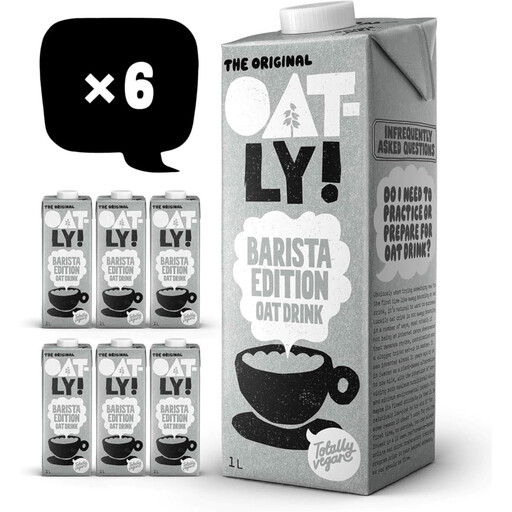 No image available
A plant-based option if the guest can have oats. The product information describes coffee, cooking and baking uses; check the final carton’s allergen information and whether it fits your particular recipe.
 No image available
This oat drink is described for hot or iced coffee. For a guest avoiding dairy, check the final carton’s allergen information; confirm suitability separately if you plan to use it in a recipe.
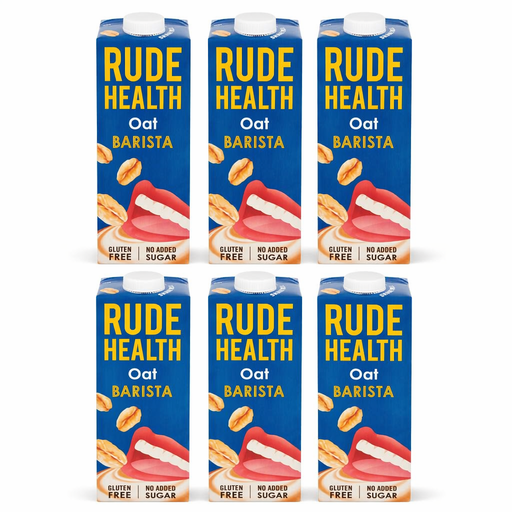 No image available
A plant-based oat drink described for steaming and foaming in coffee. Check the carton against each guest’s allergens, and confirm the intended use if you need a drink for cooking rather than coffee.
 No image available
This plant-based oat drink is described for tea and coffee. Check the final carton’s ingredients and allergen declaration for your guests, and confirm suitability before using it in a dinner recipe.
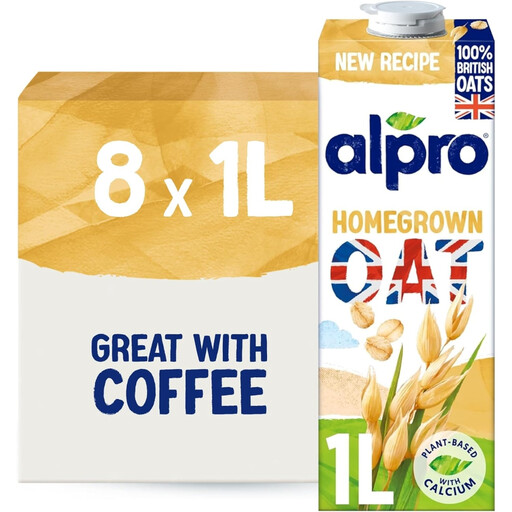 No image available
This plant-based oat drink is described for hot beverages. Check its final carton for each guest’s allergens; confirm the intended use separately if it will go into a sauce or dessert.
No. Lactose-free cow’s milk remains dairy milk. Allergy UK distinguishes lactose intolerance from cow’s-milk allergy, which involves milk proteins; choose a genuinely dairy-free product for a guest who must avoid milk, and check its allergen information.
Yes, if cow’s-milk protein is suitable for the guest and the product fits the planned use. M&S describes its lactose-free cow’s milk for drinks and recipes; check the particular carton and recipe before serving.
Check the particular oat drink rather than assuming every one has the same uses. Oatly describes its whole oat drink for cooking, baking and hot drinks; that maker guidance does not establish the result in every recipe. Check the carton’s ingredients and allergen information for your guest.
Use the category to find candidates, then check each item. Tesco, Sainsbury’s and Waitrose list lactose-free dairy and dairy-free products in related shopping areas; the product name, ingredients and allergen declaration determine which route the carton belongs to.