People avoiding lactose but not dairy
Lactose-free dairy milk keeps the choice within cow’s-milk products. Choose the skimmed, semi-skimmed or whole variant separately according to the type of milk you want in your hot drink.


Choose lactose-free dairy milk if lactose is the concern and dairy protein is suitable for you; it is still milk, not a dairy-free drink. If you need to avoid dairy, choose a plant drink and check its ingredients and allergen information. For bedtime tea, decaffeinated coffee or hot chocolate, compare the current nutrition label and look for stated hot-drink or foaming use if texture matters.
The first distinction is whether you need to avoid lactose or dairy protein: lactose-free milk addresses the former, but remains a dairy product.
Lactose-free dairy milk keeps the choice within cow’s-milk products. Choose the skimmed, semi-skimmed or whole variant separately according to the type of milk you want in your hot drink.
Lactose-free dairy milk is not a substitute for avoiding milk protein. The Royal United Hospital Bath NHS Foundation Trust distinguishes milk allergy, which concerns milk protein, from lactose intolerance. Check the ingredients and allergen information on any plant drink you consider.
If mixing or foam matters, look for the manufacturer’s stated use in that hot drink. A barista-style description helps identify intended use, but it does not tell you whether the drink has the nutrition profile you want.
Choose it when: You want cow’s milk for your hot drink and need to avoid lactose rather than dairy protein.
Keep in mind: It remains a dairy product and is not the route for avoiding cow’s-milk protein.
Choose it when: Dairy avoidance is essential; check the individual product’s ingredients and allergen label.
Keep in mind: The UK Office for Health Improvement and Disparities reports considerable variation in plant drinks’ nutrient content, so compare labels if one will regularly replace milk.
| Priority | What to check | Your needs |
|---|---|---|
| Lactose or dairy avoidance | Check whether the drink is lactose-free dairy milk or a dairy-free alternative. If milk protein must be avoided, read the current ingredients and allergen statement. | I need to know whether lactose alone is the concern or whether the drink must contain no dairy ingredients. |
| Nutrition | For a regular plant-based milk replacement, compare the nutrition panel and calcium fortification. The NHS identifies unsweetened calcium-fortified plant alternatives within the dairy-and-alternatives food group. | If I use this every day, I want to compare what the individual drink provides rather than assume all oat drinks match milk. |
| Hot-drink use | Look for stated use in tea, coffee or hot chocolate; check for foaming directions if you want foam. Intended use is not a guarantee of the texture in every recipe. | For bedtime tea or hot chocolate, mixing matters more to me than foam; for a decaffeinated coffee, I may want a drink intended for frothing. |
| Pack and storage | Compare single cartons with multipacks, and read the pack’s instructions for storage before and after opening. | I only make this drink occasionally, so I want a quantity I can use within the stated storage period. |
Lactose-free cow’s milk still contains milk protein. As the Royal United Hospital Bath NHS Foundation Trust explains, milk allergy concerns that protein, not lactose.
Decide which ingredient needs to be avoided, then check the current pack’s ingredients and allergen statement before choosing a drink.
The UK Office for Health Improvement and Disparities reports that nutrient content varies considerably between plant-based drinks.
If a plant drink will regularly replace milk, compare its nutrition label and look for calcium fortification. The NHS identifies unsweetened calcium-fortified plant alternatives within the dairy-and-alternatives food group.
A drink you use cold may not give you the texture you want in a hot drink. Oatly describes its Barista Edition as intended for coffee, tea and hot chocolate, but that description does not establish how other oat drinks will behave.
If foam matters, check the particular product’s hot-drink or frothing directions before choosing it.
A category listing may help you identify a drink, but ingredients, allergen information and storage directions matter when deciding whether to use it.
Check the current product page and physical pack, as well as local stock, before relying on a listed option.
These references illustrate lactose-free dairy and plant-drink routes; they do not imply that every listed product is among the Joybuy options below.
Arla’s lactose-free dairy-milk range includes skimmed, semi-skimmed and whole options in fresh or long-life formats.
Tesco Groceries lists own-label lactose-free skimmed and semi-skimmed dairy drinks.
Oatly presents its oat-based Barista Edition as an alternative for coffee, tea and hot chocolate.
Waitrose & Partners lists both lactose-free dairy milk and dairy-free plant drinks in its online categories.
These oat drinks are options for the plant-drink side of the bedtime hot-drink decision. If you want lactose-free cow’s milk instead, use the checks above; an oat drink does not represent that dairy-milk route.
 No image available
Consider this oat drink for tea or coffee if you want a dairy-free option; check the current ingredients and allergen label. The 8 x 1L pack is worth weighing against how often you make a hot drink.
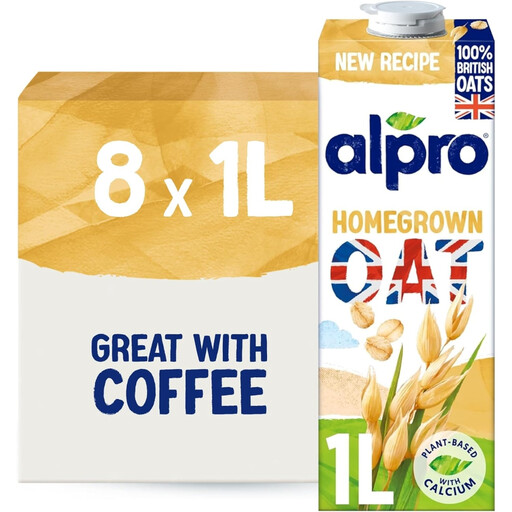 No image available
This dairy-free oat-drink option is described for hot beverages. Compare its current nutrition and allergen label with your requirements, and consider whether an 8 x 1L pack suits your rate of use.
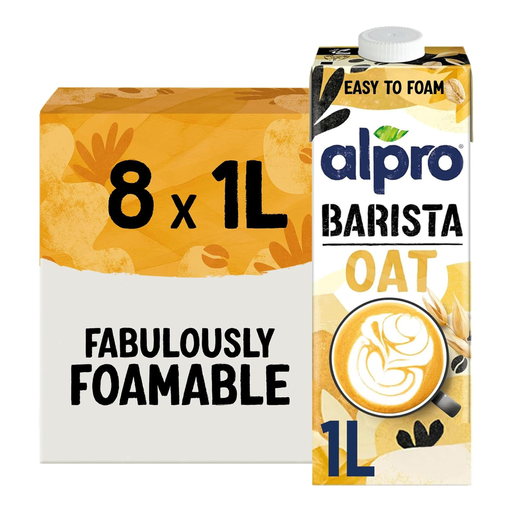 No image available
Consider this dairy-free oat drink if you want to froth a decaffeinated coffee; its product description presents it as made for foaming. Check the current nutrition and allergen label, and whether the 8 x 1L pack fits your use.
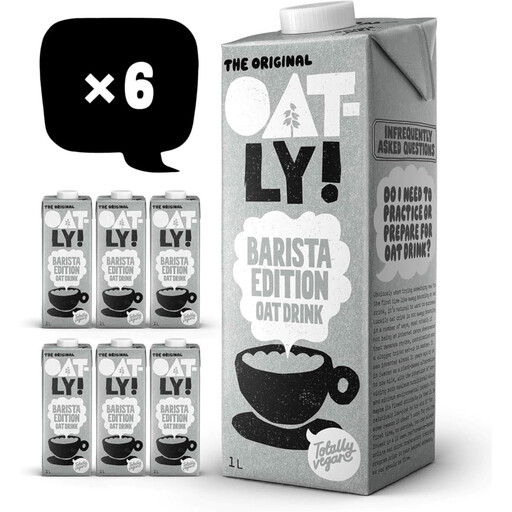 No image available
This 6 x 1L barista oat-drink pack is an option to consider when foam in coffee matters; check the current pack for ingredients, allergens and nutrition. The multipack quantity may be less convenient for occasional drinks.
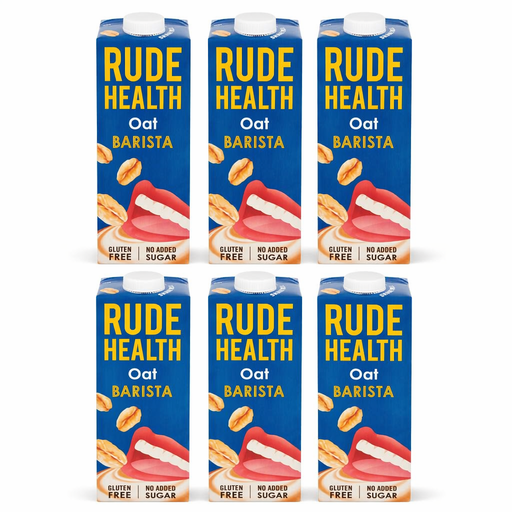 No image available
The 1L carton is a smaller quantity to consider for an occasional foamed coffee. If avoiding dairy is essential, confirm the current ingredients and allergen label before choosing it; check calcium fortification separately if it will regularly replace milk.
No. Lactose-free milk remains a dairy product containing milk protein. The Royal United Hospital Bath NHS Foundation Trust explains that milk allergy concerns that protein rather than lactose, so lactose-free cow’s milk is not a dairy-free substitute.
Choose a suitable plant drink rather than lactose-free cow’s milk, and check its current ingredients and allergen statement. If it will regularly replace milk, compare the nutrition label: the NHS identifies unsweetened calcium-fortified plant alternatives within the dairy-and-alternatives food group.
Check the particular drink’s stated uses. Oatly describes its Barista Edition as intended for coffee, tea and hot chocolate, but that manufacturer guidance does not establish how every oat drink will mix or foam in your recipe.
Yes, particularly if it will regularly replace milk. Compare the calcium information and wider nutrition panel on the current pack; the UK Office for Health Improvement and Disparities reports considerable variation in plant drinks’ nutrient content.
No. Tesco and Waitrose online categories can help you identify listed drinks, but they do not establish stock for your shop or delivery area. Check current availability and the product’s pack information before buying.