Families choosing vegan snacks
Choose a drink labelled vegan or suitable for vegans, and check the current pack. Arla UK confirms that its LactoFREE range is made from cow’s milk, so removing lactose does not make that dairy milk vegan.


For a vegan after-school snack, choose a plant drink labelled suitable for vegans: lactose-free dairy milk is still made from cow’s milk. Lactose-free dairy is an option when the need is to avoid lactose and cow’s-milk protein is otherwise suitable. If a child has a milk allergy, neither “lactose-free” nor “vegan” settles suitability on its own; check the current ingredients and allergen information, including any precautionary wording.
The reason for choosing an alternative matters more than the words “lactose-free” on their own.
Choose a drink labelled vegan or suitable for vegans, and check the current pack. Arla UK confirms that its LactoFREE range is made from cow’s milk, so removing lactose does not make that dairy milk vegan.
Lactose-free dairy may fit when lactose is the concern and cow’s-milk protein is otherwise suitable. The NHS distinguishes lactose intolerance from milk allergy; this dairy option does not meet a vegan or milk-free requirement.
A milk allergy concerns milk protein, not lactose, as Royal United Hospitals Bath NHS Foundation Trust explains. Check the exact drink’s ingredients, allergen declaration and any precautionary wording; vegan labelling alone is not an allergy-safety guarantee.
Choose when: Lactose is the issue and cow’s-milk protein is otherwise suitable.
Keep in mind: It remains dairy, so it does not meet a vegan or milk-free requirement.
Choose when: The after-school drink must have no intentionally used animal-derived ingredients.
Keep in mind: Nutrients vary between products, and a vegan claim alone does not settle milk-allergy suitability.
| Priority | What to check | Your needs |
|---|---|---|
| Vegan suitability | Look for a vegan or “suitable for vegans” statement on the current pack. Do not treat “lactose-free” as meaning dairy-free: Arla UK says LactoFREE is made from cow’s milk. | For a vegan after-school snack, I need a plant drink rather than lactose-free dairy milk. |
| Milk allergy | Read the ingredients, milk-allergen declaration and any “may contain” wording. GOV.UK guidance distinguishes vegan labelling from a guarantee against allergen cross-contact. | If my child must avoid milk protein, a lactose-free claim is not enough, and I cannot rely on a vegan claim alone. |
| Regular milk replacement | Compare the nutrition panel and look for calcium and iodine fortification. Frimley Healthier Together NHS’s milk-free-diet guidance for babies specifies calcium of at least 120 mg per 100 ml and iodine for plant-based dairy alternatives; follow advice appropriate to the child’s age and needs. | When a plant drink regularly replaces milk, I want to check its actual nutrients rather than assume every oat, soya, almond or coconut drink is alike. |
| Pack and storage | Check the pack size and the current instructions for storage before and after opening. Recheck ingredients and allergen wording on the pack you buy. | A multipack needs to work for how quickly we use each opened carton after school. |
Lactose-free cow’s milk remains an animal-derived dairy product. Milk allergy also concerns milk protein rather than lactose, according to Royal United Hospitals Bath NHS Foundation Trust.
Match the drink to the requirement: a vegan-labelled plant drink for vegan eating, or lactose-free dairy when lactose is the issue and dairy is otherwise suitable.
GOV.UK guidance says vegan labelling does not, by itself, guarantee the absence of animal-origin allergens through cross-contact. M&S states that its vegan-friendly Plant Kitchen Whole Oat Drink is not suitable for people with a milk allergy.
For a child with milk allergy, read the current ingredients, allergen declaration and precautionary wording, and follow their clinical advice.
Fortification needs checking on the individual drink, particularly when it regularly replaces dairy milk.
Compare the current nutrition panels for calcium and iodine, and use age-appropriate professional advice where needed.
These examples help distinguish dairy and plant-drink labels; check the exact product rather than applying a range description to every pack.
Arla UK describes LactoFREE as lactose-free products made from cow’s milk.
Tesco’s lactose-free milk category includes a Tesco Lactose Free Dairy Drink.
M&S Food lists soya, almond, oat and coconut milk alternatives.
A Waitrose listing for Plenish Enriched Oat names calcium, iodine and vitamins B2, B12 and D.
These Alpro plant drinks are options for a vegan after-school snack, not substitutes for checking the current pack when milk allergy or regular milk replacement is involved.
 No image available
An oat-drink multipack for vegan after-school snacks. Check the current pack for its vegan statement, oat and gluten allergen information, and any milk precautionary wording before serving it to a child with an allergy.
 No image available
A soya-drink multipack to consider for vegan snacks. Check the pack’s soya and milk-allergen wording; if this will regularly replace dairy milk, compare its calcium and iodine information with the child’s requirements.
 No image available
An almond-drink multipack for the plant-drink route. Check the current pack for almond and milk-allergen information, and compare its fortification if the drink will regularly replace dairy milk.
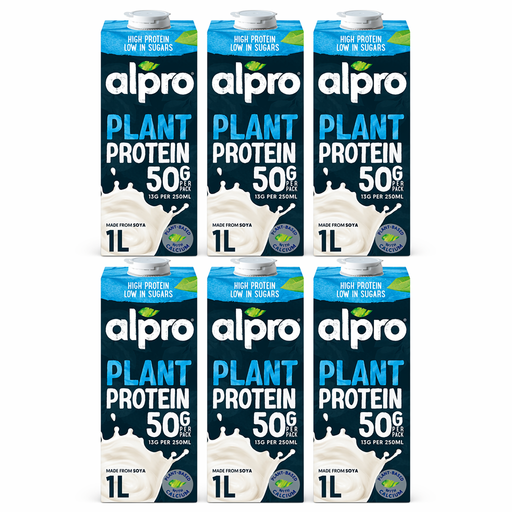 No image available
A plant-drink option for vegan after-school snacks. Read the current pack for its soya and milk-allergen wording, and use its nutrition panel—not the word “Protein” in the name—to compare it with other drinks.
No. Arla UK says its LactoFREE products are made from cow’s milk; removing lactose does not remove their animal origin. For a vegan snack, check for a vegan or “suitable for vegans” statement on the drink you buy.
Lactose-free cow’s milk is not a milk-free substitute. Royal United Hospitals Bath NHS Foundation Trust explains that milk allergy concerns milk protein rather than lactose; follow the child’s allergy advice when choosing a drink.
No. GOV.UK guidance says vegan labelling does not itself guarantee the absence of allergen cross-contact. Read the current ingredients, allergen declaration and any precautionary wording; M&S, for example, says its vegan-friendly Plant Kitchen Whole Oat Drink is not suitable for people with a milk allergy.
Check the exact drink’s nutrition panel, particularly calcium and iodine fortification, and seek advice appropriate to the child’s age and needs. Frimley Healthier Together NHS’s milk-free-diet guidance for babies specifies alternatives fortified with iodine and at least 120 mg calcium per 100 ml; it also says plant drinks should not be used as a main milk drink before age one.
Choose a format that fits when the cartons will be used, then follow that product’s instructions for storage before and after opening. Check each pack rather than assuming the same instructions apply to every plant drink.