Parents weaning a baby under 12 months
Introducing finger foods does not change the main milk drink. The NHS advises continuing breast milk or first infant formula until at least age 1; cow’s milk can become a main drink from 12 months.


For a baby under 12 months, low-fat lactose-free cow’s milk should not replace breast milk or first infant formula as the main drink: NHS guidance places cow’s milk as a main drink from 12 months. The NHS recommends full-fat dairy products up to age 2, so if a toddler needs lactose-free dairy, compare whole options before lower-fat ones. Lactose-free cow’s milk still contains milk proteins and is not suitable for cow’s milk protein allergy.
Introducing finger foods does not change the main milk drink. The NHS advises continuing breast milk or first infant formula until at least age 1; cow’s milk can become a main drink from 12 months.
If lactose-free cow’s milk is suitable for your child, compare whole varieties before semi-skimmed or skimmed ones. The NHS recommends full-fat dairy products up to age 2. A lactose-free label does not mean the product is free from milk proteins.
The NHS says lower-fat dairy products can be introduced after age 2. When comparing lactose-free varieties, check the fat level, milk allergen declaration and storage instructions on the particular pack.
Start with the child’s age and the reason for choosing lactose-free milk; compare fat levels and formats only after those questions are settled.
| Priority | What to check | Your needs |
|---|---|---|
| Main drink and age | For a baby under 12 months, follow NHS guidance to continue breast milk or first infant formula. Cow’s milk can become a main drink from 12 months. | I’m introducing foods but still need the right main milk drink for my baby. |
| Fat level | The NHS recommends full-fat dairy products up to age 2; lower-fat products can be introduced after age 2. Check whether a lactose-free carton is whole, semi-skimmed or skimmed. | For a toddler under 2 who needs lactose-free dairy, I want to compare whole options rather than choose a carton because it says low fat. |
| Milk allergy | Read the ingredients and milk allergen declaration. Arla and M&S state that their lactose-free dairy products contain milk and are not suitable for milk allergy. | If milk protein is the concern, I need to avoid mistaking lactose-free cow’s milk for a milk-free product. |
| Product format | Compare the stated fat level per 100g or per 100ml on the relevant pack, without treating those measures as identical. Check its storage and use instructions. | Once the type of milk is suitable, I can choose a format that fits how it will be stored and used. |
Removing lactose does not make cow’s milk a replacement main drink for a baby under 12 months. NHS guidance says to continue breast milk or first infant formula until at least age 1.
Keep the baby’s main milk drink age-appropriate. If a lactose-restricted feeding plan is needed, follow the child’s clinician’s advice.
The NHS recommends full-fat dairy products up to age 2, so a semi-skimmed or skimmed lactose-free drink may not fit this age-based choice.
If lactose-free dairy is suitable for the child, compare whole varieties first and discuss any different dietary advice with their clinician.
Cow’s milk allergy concerns proteins in milk, not lactose. The Arla and M&S lactose-free products described by their brands still contain milk.
Check the allergen declaration and ingredients. For suspected or diagnosed cow’s milk protein allergy, follow the child’s allergy-management advice rather than substituting lactose-free dairy.
The pack you receive is the one that determines which ingredients, allergens and storage instructions apply.
Check its label, fat level, storage instructions and date before using it for a child.
These references help distinguish lactose-free dairy varieties and their labels; they do not change the age or milk-allergy checks.
Arla lists lactose-free dairy varieties at different fat levels. Its semi-skimmed milk drink provides a labelled example for comparison.
Tesco lists its own lactose-free semi-skimmed dairy drink alongside Arla LactoFREE varieties.
Sainsbury’s lists Everyday lactose-free whole and semi-skimmed dairy drinks.
M&S offers a lactose-free semi-skimmed milk product for shoppers comparing dairy varieties.
Waitrose lists Arla LactoFREE semi-skimmed milk drink, rather than a separate Waitrose product in this comparison.
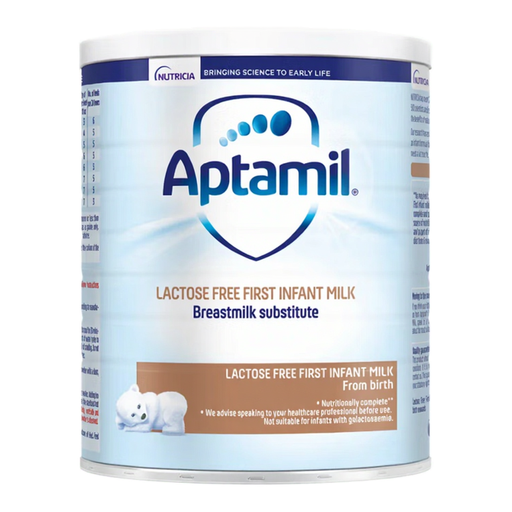
This is an infant formula option for a clinician-directed lactose-free feeding plan, not a low-fat lactose-free cow’s milk drink.
 No image available
This lactose-free infant formula powder is a different choice from a low-fat cow’s milk drink. Its pack size is 400g.
Use it only under medical supervision as directed for the child’s feeding plan. It is not milk-free or fish-free; check the pack’s ingredient and allergen declarations before use.
No. Baby-led weaning does not change NHS main-drink guidance: continue breast milk or first infant formula until at least age 1. Cow’s milk can become a main drink from 12 months.
The NHS recommends full-fat dairy products up to age 2. If lactose-free dairy is suitable for your child, compare whole varieties rather than choosing semi-skimmed or skimmed milk simply because it is lower in fat.
No. Lactose-free cow’s milk can still contain the milk proteins involved in cow’s milk allergy. Follow the child’s clinician’s or dietitian’s allergy-management advice rather than using a lactose-free dairy drink as a milk-free substitute.
Check the fat level, ingredients, milk allergen declaration, date and storage instructions on the particular pack. A lactose-free label tells you neither that the product is milk-free nor whether it is whole, semi-skimmed or skimmed.