If you can have cow’s milk but want to reduce the calories in your usual serving, compare lactose-free fat levels: Tesco lists 26 kcal per 100ml for its skimmed drink and 41 kcal for its semi-skimmed drink. If you need to avoid dairy itself, choose an explicitly dairy-free drink instead; lactose-free cow’s milk still contains milk. For weight management, consider the amount you pour as well as the figures per 100ml.
Who is this choice for?
People tracking calories who can have dairy
If lactose is the issue but cow’s milk is suitable for you, compare lactose-free drinks by kcal per 100ml and by the amount you use in drinks, cereal or cooking. Lactose-free does not, by itself, mean lower-calorie.
Shoppers who need to avoid dairy
A lactose-free cow’s milk drink is not a dairy-free substitute. Check the ingredient and allergen information, then compare explicitly dairy-free drinks if milk must be avoided.
Semi-skimmed milk drinkers considering a change
If you prefer dairy milk, compare skimmed and semi-skimmed lactose-free versions on the same per-100ml basis. Tesco’s listed skimmed drink has less energy and fat than its semi-skimmed drink; your usual serving size also matters.
What should you check?
Establish whether you need lactose-free dairy or a dairy-free drink before comparing nutrition labels and pack sizes.
| Priority | What to check | Your needs |
|---|
| Energy and fat |
Compare kcal, fat and saturates per 100ml, then account for the amount poured. Tesco Groceries lists 26 kcal and 0.1g fat per 100ml for its lactose-free skimmed drink, against 41 kcal and 1.7g fat for its semi-skimmed drink. |
I use milk in several drinks or meals, so the amount I pour matters more than a comparison based on a serving I never use. |
| Dairy status |
Read the ingredient and allergen statement: lactose-free cow’s milk still contains milk. Check for an explicit dairy-free description when avoiding dairy. |
I need to know whether lactose is the concern or whether cow’s milk itself must be avoided; those choices lead to different products. |
| Nutrition |
Compare protein and calcium per 100ml. For plant drinks, check whether the particular product is unsweetened and calcium-fortified; the NHS includes such drinks in its dairy-and-alternatives food group. |
If a plant drink will regularly replace dairy milk in my shopping, I want to compare its label rather than assume all soya drinks have the same ingredients or fortification. |
| Pack and storage |
Check the pack size, whether it is fresh or long-life, and its instructions after opening. Follow the storage directions on the carton you buy. |
Milk lasts longer in my household when the pack size matches how much we actually use. |
Common buying mistakes
-
Treating lactose-free as dairy-free
Lactose-free cow’s milk can still contain milk proteins. M&S states that its lactose-free products are not suitable for people with a dairy allergy.
Check the ingredient and allergen statement. If you need to avoid milk, look for an explicitly dairy-free drink rather than relying on a lactose-free label.
-
Assuming lactose-free means lower-calorie
Lactose removal does not tell you the fat level. Tesco Groceries lists 26 kcal per 100ml for its lactose-free skimmed drink and 41 kcal for its semi-skimmed drink.
Compare labels per 100ml, then consider how much you normally add to drinks, cereal or recipes.
-
Overlooking fortification in plant drinks
Plant drinks can have different ingredient and nutrition profiles. The NHS identifies unsweetened, calcium-fortified plant drinks as dairy alternatives; that description should not be assumed to apply to every carton.
When choosing a regular dairy replacement, check calcium fortification, protein and sugars on the individual label.
-
Choosing a carton too large for your use
A carton that cannot be finished within its stated period after opening may go unused.
Match the pack size to your use rate and check the carton’s refrigeration and after-opening instructions.
Brand and retailer references
Arla LactoFREE
A lactose-free cow’s milk range for shoppers who want dairy rather than a plant drink.
- Waitrose & Partners lists its semi-skimmed drink as containing less than 0.03% lactose.
- The same listing says it is not suitable for people with a milk allergy.
Tesco
Its own-label lactose-free skimmed and semi-skimmed dairy drinks allow a comparison within one retailer range.
- Tesco Groceries lists 26 kcal and 0.1g fat per 100ml for skimmed, compared with 41 kcal and 1.7g fat for semi-skimmed.
- Both options are dairy drinks; check the current carton for ingredients and nutrition information.
Sainsbury’s
Its Everyday lactose-free semi-skimmed drink is another cow’s milk option to compare.
- Sainsbury’s lists 41 kcal, 1.7g fat, 3.2g protein and 108mg calcium per 100ml.
- Its listed ingredients include cows’ milk, so this is not a dairy-free drink.
M&S Made Without
Its lactose-free semi-skimmed product is a dairy option, despite the range name.
- The M&S ingredient listing identifies milk and lactase enzyme.
- M&S says its lactose-free products are not suitable for people with a dairy allergy or galactosaemia.
Waitrose
Waitrose is a retailer listing for Arla LactoFREE semi-skimmed milk, not a separate milk manufacturer in this comparison.
- Its Arla listing identifies semi-skimmed milk in the ingredients and states the lactose level.
- Check the product and local selection when shopping; the listing does not describe every lactose-free drink.
Alpro
Its Soya No Sugars drink is a plant-based option when dairy-free status matters.
- Alpro lists the drink as dairy-free, with 33 kcal, 3.3g protein and 120mg calcium per 100ml.
- It is a soya drink rather than cow’s milk; check the individual product’s ingredients and nutrition label.
Dairy-free drinks on Joybuy
These soya drinks are options for the dairy-free side of the decision. Compare their pack sizes and labels with the lactose-free dairy choices discussed above.
 No image available
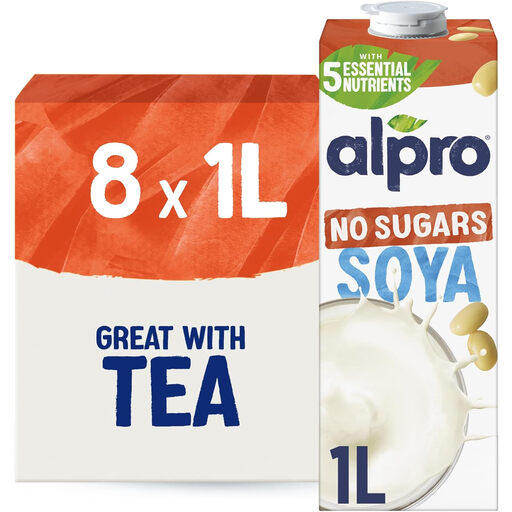
Alpro Soya No Sugars Long Life Drink, 8 x 1L
An unsweetened dairy-free soya option if cow’s milk is unsuitable. Alpro lists 33 kcal, 3.3g protein and 120mg calcium per 100ml for Soya No Sugars; consider whether eight 1L cartons suit your use rate and follow each carton’s storage instructions.
View on Joybuy
 No image available
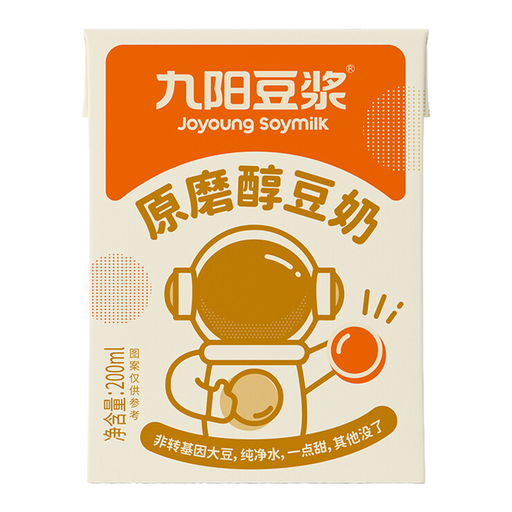
Joyoung Original Ground Pure Soy Milk, 200ml x 3
The three smaller boxes offer another soya-drink format if you use modest amounts at a time. Compare the current label’s sugars, calcium information and storage instructions with your needs before choosing it as a regular dairy replacement.
View on Joybuy
 No image available
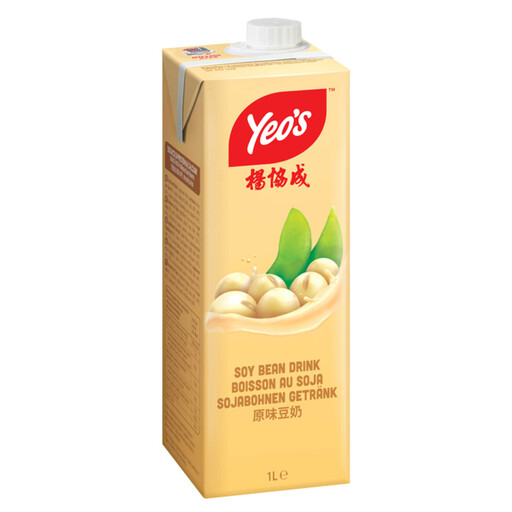
Yeo’s Soy Bean Drink, 1L
A 1L soya-drink option for households likely to use a larger carton. Check sugars and calcium on the label when comparing it with unsweetened, fortified drinks, and follow the instructions after opening.
View on Joybuy
 No image available
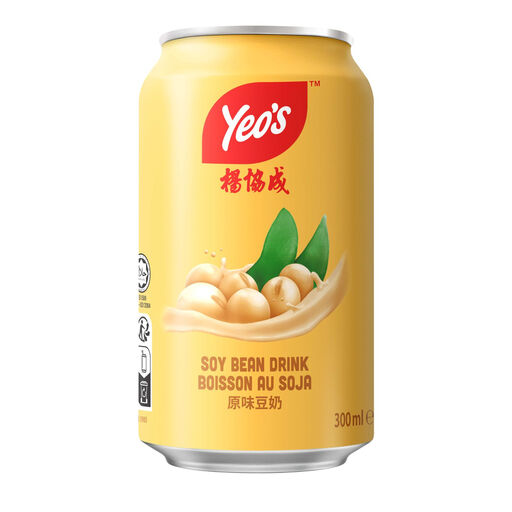
Yeo’s Soy Bean Drink, 300ml
The 300ml bottle is a smaller format than the 1L carton. If you are comparing drinks for calorie tracking or regular dairy replacement, check its per-100ml nutrition, calcium information and storage directions on the bottle.
View on Joybuy
Frequently asked questions
Is lactose-free milk dairy-free?
No. Lactose-free cow’s milk still contains milk; M&S specifically says its lactose-free products are not suitable for people with a dairy allergy. If you need to avoid dairy, check for an explicitly dairy-free product and read its allergen information.
Should I choose skimmed or semi-skimmed lactose-free milk when tracking calories?
Choose by comparing the label with the amount you normally use. Tesco Groceries lists 26 kcal and 0.1g fat per 100ml for its lactose-free skimmed drink, versus 41 kcal and 1.7g fat for its semi-skimmed drink; neither changes the importance of your overall intake and portions.
What should I check when replacing dairy milk with a plant drink?
Check that the drink meets your dairy-free needs, then compare protein, sugars and calcium fortification on its label. The NHS includes unsweetened, calcium-fortified plant drinks in its dairy-and-alternatives food group, but individual products differ.
How should I choose a pack size if I use milk occasionally?
Choose a size you expect to finish within the carton’s stated period after opening. Check its refrigeration and use-by instructions rather than assuming fresh and long-life products have the same storage requirements.


