Who is choosing a drink?
The right first check depends on whether vegan suitability, lactose avoidance or an allergy is driving the purchase.
Vegan shoppers making a post-workout drink
Look for a vegan or plant-based drink rather than lactose-free dairy. If the drink is part of a smoothie or snack, compare protein for your usual portion and check fortification against what you want from the rest of your diet.
Lactose-intolerant shoppers who are not vegan
Lactose-free cows’ milk remains a dairy option if milk protein is not an issue. North Bristol NHS Trust distinguishes avoiding lactose from avoiding milk products because of a milk-protein allergy.
Shoppers managing a food allergy
Read the ingredients, declared allergens and any precautionary warning on the particular carton. UK government vegan-labelling guidance notes that a vegan product can still be affected by allergen cross-contact.
What should you check?
Start with the type of drink, then use the carton to compare the portion, nutrition and allergen details that affect your choice.
| Priority |
What to check |
Your needs |
| Vegan suitability |
Check the vegan or plant-based statement and ingredient list. “Lactose-free” alone does not exclude cows’ milk: Arla UK says its LactoFREE products are made from cows’ milk. |
I want a drink without dairy ingredients, not simply one with lactose removed. |
| Protein per portion |
Compare protein per 100ml, then work out the amount for the glass or smoothie you intend to make. Check the complete snack rather than treating its liquid base as the whole serving. |
If the drink is part of my post-workout snack, I want to know how much protein my actual portion contributes. |
| Added nutrients |
Read the panel for calcium, iodine, vitamin B12 and vitamin D where relevant to your diet. The UK Scientific Advisory Committee on Nutrition and Committee on Toxicity assessment says plant-drink nutrient content varies considerably. |
I use plant drinks regularly in place of dairy, so I want to see which nutrients this particular carton lists. |
| Allergens |
Check declared allergens and precautionary statements, including soya or other relevant ingredients. UK government guidance says vegan labelling does not rule out cross-contact with animal-origin allergens. |
If I shop for someone with an allergy, a vegan claim cannot be my only safety check. In a Food Standards Agency/Ipsos online survey of screened respondents aged 16–75 in England, Wales and Northern Ireland on 15–20 December 2023, 53% of respondents with a food hypersensitivity and 50% of those shopping for someone with one were already aware that cross-contamination could make vegan products unsuitable. These are awareness figures, not measures of buying preference. |
Brand and retailer references
These examples show why the drink type and the individual label matter more than the retailer name alone.
Arla LactoFREE
A lactose-free dairy route for shoppers who do not require a vegan drink.
- Arla UK says the range is made from real cows’ milk.
- It is not a vegan alternative or a choice for someone who must avoid milk protein.
Tesco
Lists vegan pea- and soya-based drinks that can be compared by their individual labels.
- Its Mighty Pea listing describes an unsweetened drink with 20g of plant protein per 1-litre carton.
- Check the current carton for the portion’s protein, added nutrients and allergens rather than assuming the two drinks have the same composition.
Sainsbury’s
Lists both lactose-free dairy and plant drinks, which serve different requirements.
- Its Plenish organic soya listing describes a vegan drink with 3.2g protein per 100ml.
- The listed water-and-soya-bean ingredients are not a reason to assume it contains added calcium, iodine or vitamins.
M&S
Lists a Plant Kitchen unsweetened soya drink for shoppers comparing vegan options.
- Marks & Spencer lists 2.8g protein per 100g and added calcium, iodine, vitamin B12 and vitamin D.
- Use the current carton for the final ingredient and allergen check.
Waitrose
Lists long-life plant drinks, including Alpro Organic No Sugar Soya.
- Waitrose describes that drink as plant-based and lists 3.3g protein per 100ml.
- Its listed water-and-soya-bean ingredients should not be mistaken for a statement that nutrients have been added.
Plant drinks on Joybuy
These soya drinks offer different pack sizes and label details to check if you are choosing a milk-style drink for a post-workout snack or smoothie. For the Vita drink in particular, confirm vegan suitability on the current packaging.
 No image available
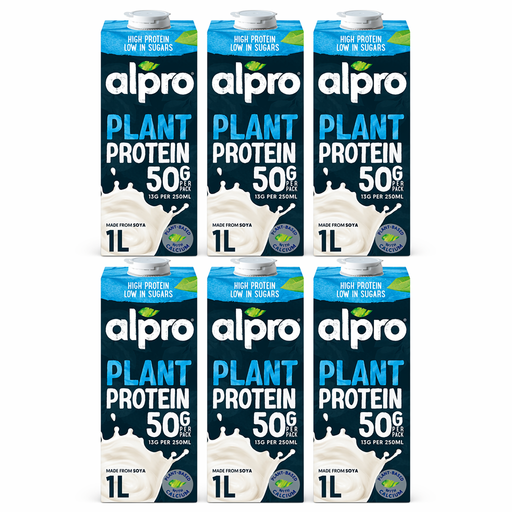
Alpro Plant Protein 1L multipack
For a plant-based smoothie, compare the amount you pour with the 5g protein per 100ml stated on Joybuy’s Alpro Plant Protein listing. Check the current carton for allergens and for any added nutrients relevant to your choice.
View on Joybuy
 No image available
Alpro Soya No Sugars Long Life Drink 8 × 1L
This soya drink is an option to assess if you prefer a no-sugars formulation in a smoothie. Compare protein for your serving and check the carton for added nutrients and soya allergen information.
View on Joybuy
 No image available
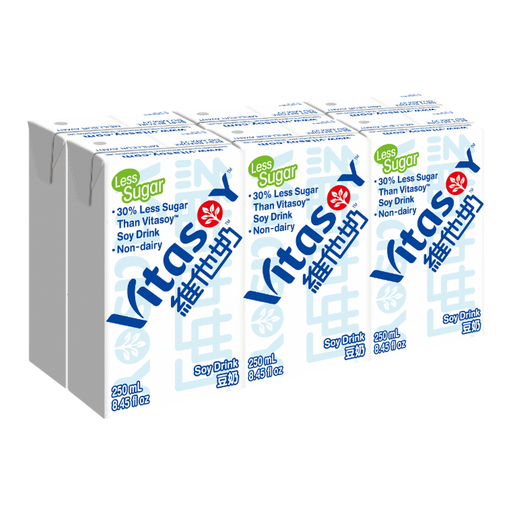
Vita Soy Milk 6 × 250ml
The individual cartons give you a defined amount to use in a post-workout snack. Do not rely on the product name to judge sugar content: read the nutrition panel, and check the ingredients and allergen information if vegan suitability or an allergy matters.
View on Joybuy
 No image available
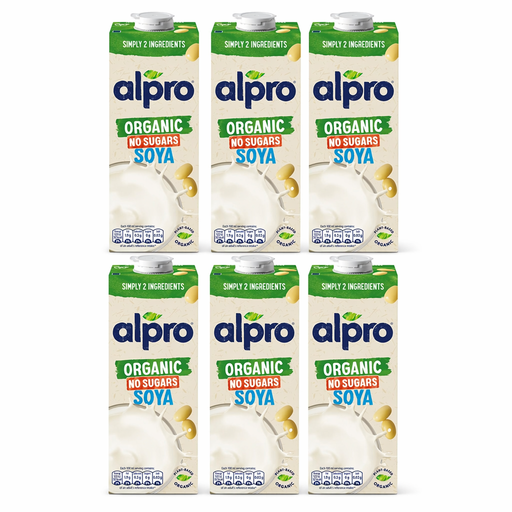
Alpro Organic Soya Drink multipack
For a vegan smoothie, check the current carton’s vegan statement and compare protein for the amount you use. If added calcium, iodine or vitamins are important to you, inspect its nutrition panel rather than assuming an organic soya drink is fortified; also check the soya allergen declaration.
View on Joybuy
Frequently asked questions
Is lactose-free milk vegan?
Not if it is lactose-free dairy milk. Arla UK says its LactoFREE products are made from cows’ milk, so check for a vegan or plant-based statement and read the ingredients when you need a vegan drink.
Is lactose-free dairy suitable for someone with a milk-protein allergy?
No. Removing lactose does not make dairy milk free of milk protein. North Bristol NHS Trust advises people with a milk-protein allergy to avoid milk products; seek individual clinical advice about a suspected allergy.
What makes a plant drink useful in a post-workout smoothie?
Check its protein figure against the amount you will actually pour, then consider the ingredients in the rest of the smoothie or snack. A vegan claim establishes neither a particular protein amount nor a complete meal.
Can I assume a vegan plant drink has added calcium and vitamins?
No. The UK Scientific Advisory Committee on Nutrition and Committee on Toxicity assessment says nutrient content varies considerably between plant drinks. Check the individual nutrition panel for calcium, iodine, vitamin B12 and vitamin D if those additions matter to your choice.
Does a vegan label settle an allergen concern?
No. UK government guidance notes that cross-contact with animal-origin allergens can still be relevant to vegan foods. Read the ingredients, allergen declaration and any precautionary warning on the exact drink, including information about soya or other ingredients relevant to the allergy.


