Parents packing a vegan lunch
A lactose-free cow’s-milk drink still contains dairy. Look for a plant-based drink, then check its ingredients, allergen statement and fortification if it will regularly replace dairy.


For a vegan school packed lunch, choose a plant drink rather than lactose-free cow’s milk: removing lactose does not remove dairy. Norfolk and Waveney Integrated Care Board’s guidance for children aged one and over places unsweetened, fortified soya or pea drinks ahead of fortified oat drinks, which are often lower in protein. Check the individual carton’s ingredients, allergens and fortification, as well as any school-specific food rules.
A lactose-free cow’s-milk drink still contains dairy. Look for a plant-based drink, then check its ingredients, allergen statement and fortification if it will regularly replace dairy.
If the child consumes dairy but needs a reduced-lactose option, lactose-free cow’s milk is a different choice from a vegan plant drink. Arla LactoFREE’s semi-skimmed product contains milk and lactase enzyme; Arla says it is not suitable for people with a milk allergy.
Replacing dairy with a plant drink may introduce another ingredient the child needs to avoid. Check the exact carton against the child’s allergy information and confirm any additional packed-lunch rules with the school.
Consider when: The lunch must be vegan and the child can have the drink’s ingredients. Norfolk and Waveney Integrated Care Board places unsweetened, fortified soya and pea drinks first in its guidance for children aged one and over.
Bear in mind: Soya or pea may not suit a child with a relevant allergy, and fortification varies between products.
Consider when: A vegan oat drink suits the child’s ingredients and preferences, and its label fits the role it will have in their diet.
Bear in mind: Norfolk and Waveney Integrated Care Board places fortified oat second in its guidance for children aged one and over because oat drinks are often lower in protein.
Consider when: The child consumes dairy and the requirement concerns lactose, not a vegan diet or milk allergy.
Bear in mind: Lactose-free cow’s milk remains dairy; the lactose-free claim does not make it vegan or a milk-allergy substitute.
Once you have chosen the appropriate type of drink, compare the exact cartons rather than relying on a category name.
| Priority | What to check | Your needs |
|---|---|---|
| Vegan suitability | Read the ingredients for cow’s milk and check the product’s plant-based or vegan statement. A lactose-free label alone does not establish either. | I need the packed-lunch drink to contain no dairy, not merely to have reduced lactose. |
| Fortification | If the drink regularly replaces dairy, check the carton for added calcium, iodine, vitamin D and vitamin B12. Kingston and Richmond NHS Foundation Trust highlights calcium and iodine in its guidance for children who cannot consume dairy. | A regular dairy replacement needs more scrutiny than an occasional drink alongside the rest of lunch. |
| Nutrition label | Compare protein and energy per 100ml, particularly for a regular dairy replacement. Check the sugars figure and ingredients on the current carton rather than judging by the drink type. | If this is the drink I pack routinely, I want to compare what the specific products provide. |
| Allergens and school rules | Read the full allergen statement for the child’s relevant ingredients, including milk in dairy drinks or ingredients such as soya in plant drinks. Ask the school about its packed-lunch rules. | My choice must fit the child’s allergies and the arrangements at their school. |
| Packing and storage | Check the carton size and its storage instructions before and after opening, then plan how the drink will be carried in the lunch. | A large carton may need dividing into packed-lunch portions, so I need to follow its storage directions once opened. |
Lactose-free cow’s-milk drinks still contain milk, so they do not meet a vegan requirement and are not substitutes for someone with a milk allergy.
Check the ingredients and allergen statement. For a vegan lunch, choose a plant-based product whose current label confirms its suitability.
Fortification, protein and energy differ between products. Norfolk and Waveney Integrated Care Board notes that fortified oat drinks are often lower in protein than its first-choice soya and pea types for children aged one and over.
For a regular dairy replacement, compare fortification and the protein and energy figures per 100ml on each carton.
A dairy-free drink can still contain an ingredient relevant to the child’s allergies, such as soya or nuts.
Read the whole allergen statement, follow the child’s allergy arrangements and check any school-specific restrictions before packing the drink.
A retailer may stock both lactose-free dairy drinks and plant drinks. Product ingredients and fortification can also differ across a range.
Check the exact carton you are buying for ingredients, allergens, nutrition, vegan suitability and storage instructions.
These names are useful starting points for comparing product types; the suitability of a packed-lunch drink depends on its exact label.
A lactose-free dairy line for families who still use cow’s milk, not a vegan plant-drink range.
A retailer where a lactose-free dairy listing should not be confused with a plant-based drink.
Its dairy and plant-drink listings illustrate why the product description matters.
The Plant Kitchen range provides a plant-drink route to examine separately from lactose-free dairy.
Its drink categories include plant alternatives alongside lactose-free dairy products.
These soya and oat drinks are options to examine for a vegan packed lunch. Compare each carton with the child’s allergy needs, the school’s rules and the role the drink will have in their diet.
 No image available
Consider this soya-drink option when soya suits the child. The 8 x 1L pack needs a plan for packed-lunch portions; check the carton’s storage instructions after opening, allergen statement and fortification.
 No image available
An oat-drink option to compare when oat suits the child. If it will regularly replace dairy, check protein and fortification per 100ml; check the current carton’s sugar information, oat allergen details and storage instructions before packing from the 8 x 1L pack.
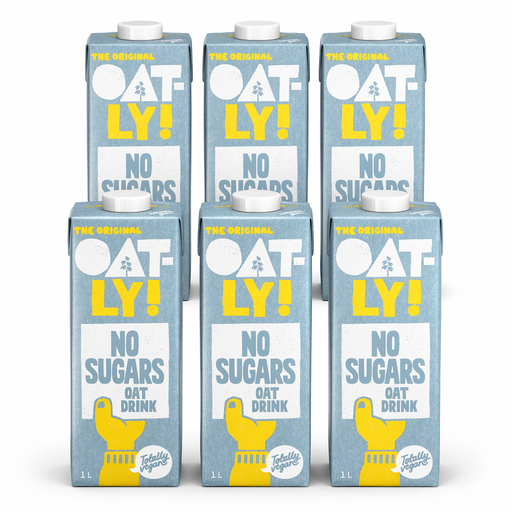 No image available
Another oat-drink option for a plant-based lunch. Check the current carton for vegan suitability and allergens, then compare its protein and fortification per 100ml if it will be a regular dairy replacement.
No. Lactose-free cow’s milk still comes from an animal and contains dairy; Arla LactoFREE’s semi-skimmed product, for example, lists milk as an ingredient. For a vegan lunch, check a plant-based product’s current ingredients and vegan statement.
No: removing or reducing lactose does not remove cow’s-milk ingredients. Arla states that its LactoFREE semi-skimmed product is not suitable for people with a milk allergy. Follow the child’s allergy arrangements when selecting an alternative.
Check that its ingredients and allergens suit the child, then look at calcium, iodine, vitamin D and vitamin B12 fortification and compare protein and energy per 100ml. Norfolk and Waveney Integrated Care Board’s guidance for children aged one and over places unsweetened, fortified soya and pea drinks first, with fortified oat as a second choice because it is often lower in protein.
Not on its own. A plant-based almond drink can differ from other drinks in protein, energy, fortification and allergens. If it will regularly replace dairy, compare those details on the exact carton and check whether nuts are relevant to the child’s allergies or the school’s rules.