Brand and retailer references
These examples help distinguish lactose-free dairy products from dairy-free alternatives; a retailer’s category name is not a substitute for checking an individual carton.
Arla LactoFREE
A lactose-free cow’s-milk range for shoppers seeking a dairy format.
- Arla UK lists whole milk and lactase as ingredients in its LactoFREE Whole Milk Drink.
- The same product declares milk as an allergen, so it is not a dairy-free choice.
Tesco
Its lactose-free milk category lists own-label skimmed and semi-skimmed dairy drinks alongside Arla products.
- The category gives shoppers several lactose-free dairy formats to compare.
- A lactose-free category listing does not establish that an individual drink is dairy-free; check its pack.
Sainsbury’s
Its Everyday Lactose Free Semi Skimmed Dairy Drink is an own-label dairy option.
- Sainsbury’s lists cow’s milk and lactase among that drink’s ingredients, making its dairy basis clear.
- It does not meet a milk-free requirement; read the current pack before serving.
M&S Made Without Lactose
An own-label lactose-free cow’s-milk range.
- The range offers a dairy-milk format without lactose.
- M&S explicitly says its lactose-free products are not suitable for people with a dairy allergy.
Waitrose
Its dairy-and-lactose-free category lists both lactose-free dairy milk and plant drinks.
- The category includes Arla LactoFREE alongside oat and almond drinks.
- Products in the same aisle may contain different allergens and nutrients; assess each carton separately.
Dairy-free drink options on Joybuy
These oat, soya and almond drinks are options to compare when tea time calls for a dairy-free alternative. Check each current carton for milk ingredients, the child’s other allergens, age suitability and nutrient information; this selection does not include lactose-free cow’s milk.
 No image available
Alpro Oat No Sugars Long Life Drink, 8 × 1L
An oat drink to consider for tea time if oats fit the child’s allergy requirements. The name identifies an 8 × 1L long-life pack; compare the current carton’s age guidance and nutrient information before regular use.
View on Joybuy
 No image available
Alpro Soya No Sugars Long Life Drink, 8 × 1L
A soya drink is an option only if the child can have soya. This is named as an 8 × 1L long-life pack; check the current label for milk ingredients, age guidance and nutrients before choosing it as a regular drink.
View on Joybuy
 No image available
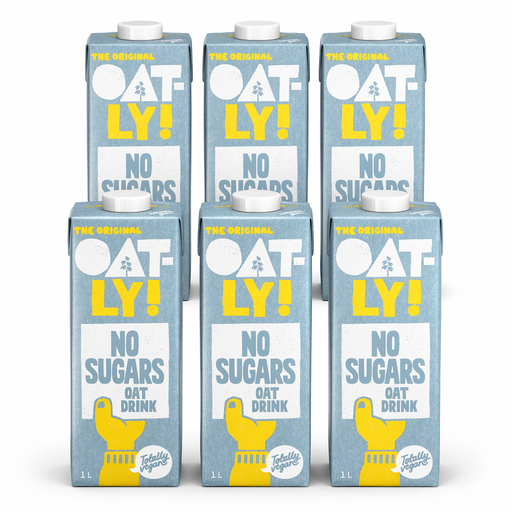
Oatly No Sugars Oat Drink, 6 × 1L
This oat drink offers another carton to compare where oats are suitable for the child. Its name indicates six 1L cartons; check the current ingredients, age guidance and nutrient information for the intended use.
View on Joybuy
 No image available
Alpro Almond No Sugars Long Life Drink, 8 × 1L
Consider an almond drink only if almonds fit the child’s allergy requirements. This long-life product is named as an 8 × 1L pack; compare its current age guidance and nutrient information with other suitable drinks.
View on Joybuy
 No image available
Alpro Barista Oat Long Life Drink, 8 × 1L
This oat drink has a barista-style name, which alone says nothing about suitability for a child’s regular tea-time drink. Its name identifies an 8 × 1L long-life pack; check the current ingredients, age guidance and nutrient information.
View on Joybuy
Questions about children’s tea-time drinks
Is lactose-free cow’s milk dairy-free?
No. It remains a cow’s-milk product: Arla UK, for example, lists whole milk in its LactoFREE Whole Milk Drink and declares milk as an allergen. Cambridge University Hospitals NHS Foundation Trust says children with cow’s-milk-protein allergy cannot use specialised lactose-free products.
What matters when comparing dairy-free drinks for a child?
Start with the child’s age and allergies, then compare the cartons’ ingredients and nutrients. NHS South West London advises checking calcium fortification, while Norfolk and Waveney Integrated Care Board’s guidance for children aged one and over with cow’s-milk-protein allergy identifies calcium, iodine, vitamin D and vitamin B12 fortification as selection points. Protein and energy are also useful to compare when a drink will be used regularly.
Should an ordinary plant drink become an infant’s main milk?
Do not replace an infant’s main milk with an ordinary plant drink without individual healthcare advice. Ask a GP, health visitor or dietitian which feeding option fits the infant’s age and dietary needs, particularly if an allergy is involved.
What if a school provides my child’s tea-time drink?
Tell the school the child’s dietary and allergy requirements, then confirm the exact drink and any substitution before it is served. The Department for Education’s September 2026 allergy guidance for schools in England describes a published allergy safety policy; ask the individual setting how its arrangements apply to your child.


