Shoppers who tolerate dairy but avoid lactose
Skimmed lactose-free cow’s milk offers a way to compare lower-fat dairy options. It is not a substitute for dairy-free milk if cow’s-milk protein must be avoided.


If you can consume cow’s milk but want to limit lactose and compare fat, start with skimmed lactose-free dairy milk; it is still dairy and is not suitable for a milk allergy or vegan diet. If you need to avoid dairy, choose a drink labelled dairy-free and check its milk-allergen statement, fat per 100ml, protein and calcium fortification rather than assuming every plant drink has the same nutrition.
The reason for avoiding lactose or dairy determines which cartons are worth comparing; fat content is a separate decision.
Skimmed lactose-free cow’s milk offers a way to compare lower-fat dairy options. It is not a substitute for dairy-free milk if cow’s-milk protein must be avoided.
A milk allergy or vegan requirement calls for a genuinely dairy-free option, not simply a lactose-free cow’s-milk drink. Gloucestershire Hospitals NHS Foundation Trust distinguishes milk allergy from lactose intolerance and advises avoiding milk products for a milk allergy.
If dairy is suitable but fat content drives the choice, compare the two types per 100ml. The Tesco and Sainsbury’s lactose-free products listed below show why the word ‘lactose-free’ alone does not tell you the fat content.
Choose when: You tolerate cow’s milk, want to avoid lactose and are comparing lower-fat dairy options.
The limit: It still contains milk and is not suitable for a milk allergy or vegan diet.
Choose when: You must avoid dairy or want a vegan alternative, after checking the exact carton’s ingredients and allergens.
The trade-off: Fat, protein and calcium fortification vary by drink, so dairy-free does not automatically mean lower in fat.
| Priority | What to check | Your needs |
|---|---|---|
| Dairy avoidance | Read the ingredients and milk-allergen statement. Lactose-free cow’s milk remains dairy; check dairy-free labelling on a plant drink. | If I need to avoid milk protein or choose vegan products, removing lactose from cow’s milk does not meet that requirement. |
| Fat content | Compare total fat and saturates per 100ml on each carton. Tesco’s lactose-free skimmed drink lists 0.1g fat per 100ml; its semi-skimmed drink lists 1.7g per 100ml, according to Tesco Groceries. | When reducing fat is my main reason for switching, I want the nutrition panel to guide the choice rather than the words ‘lactose-free’ or ‘dairy-free’. |
| Other nutrition | Compare protein and calcium per 100ml, and check whether a plant drink is calcium-fortified. The NHS includes unsweetened calcium-fortified plant alternatives in its dairy-and-alternatives food group. | If I am replacing dairy milk regularly, I want to know what the new drink contributes as well as how much fat it contains. |
| Pack and storage | Check the pack size, use-by date and instructions for storage after opening. Recheck ingredients, allergens and nutrition on the carton you buy. | A pack needs to suit how quickly I will use it, especially once it has been opened. |
Lactose-free cow’s milk can still contain milk protein. Gloucestershire Hospitals NHS Foundation Trust states that a milk allergy requires avoidance of milk products.
Check the ingredients and allergen declaration for the exact product. If it is unclear whether you have an allergy or lactose intolerance, seek clinical advice rather than treating the two as interchangeable.
Fat content differs across dairy and plant drinks. Tesco Groceries lists 0.1g fat per 100ml for its lactose-free skimmed drink, while Alpro UK lists 1.9g per 100ml for Alpro Soya No Sugars.
Compare fat and saturates using the same per-100ml measure on the cartons you are considering.
Plant drinks are not interchangeable on protein and calcium. The NHS identifies unsweetened calcium-fortified plant drinks as options within the dairy-and-alternatives food group.
If dairy-free is required, check calcium fortification and compare protein, fat and sugars on the label.
The carton is the practical reference for the ingredients, allergen information, nutrition and storage instructions of the product being used.
Read the on-pack details before purchase and follow its use-by date and directions after opening.
These examples show how specific lactose-free dairy products differ; a brand or retailer name alone does not identify a dairy-free or lower-fat drink.
The skimmed LactoFREE product listed by Waitrose is a lactose-free cow’s-milk option for shoppers who tolerate dairy.
Tesco’s lactose-free skimmed and semi-skimmed dairy drinks allow a comparison within its own range.
Sainsbury’s Everyday lactose-free range includes skimmed and semi-skimmed cow’s-milk drinks.
The M&S semi-skimmed product is relevant when comparing lactose-free dairy drinks, rather than choosing the lowest-fat skimmed type.
Waitrose is a retailer reference here: its listed Arla LactoFREE products include skimmed and semi-skimmed milk alternatives made from cow’s milk.
These Alpro almond and soya drinks are options to consider when looking beyond cow’s milk. Check each exact carton’s ingredients and milk-allergen statement before relying on it for dairy avoidance, then compare its nutrition per 100ml.
 No image available
If you are considering an almond drink instead of cow’s milk, check fat, protein, calcium and allergens on the carton. This long-life option is listed as 8 x 1L; check the almond declaration if you need to avoid nuts.
 No image available
For a soya drink in place of cow’s milk, compare its per-100ml fat and protein and confirm calcium fortification and allergens on the carton. This long-life option is listed as 8 x 1L.
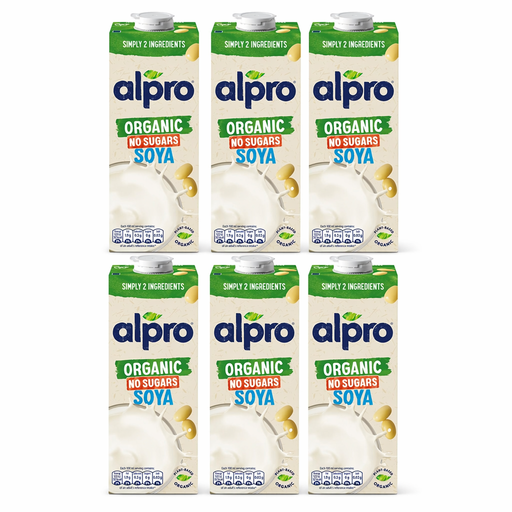 No image available
If this soya drink is being considered as a dairy replacement, check the exact carton for its milk and soya allergen information, fat per 100ml and calcium fortification.
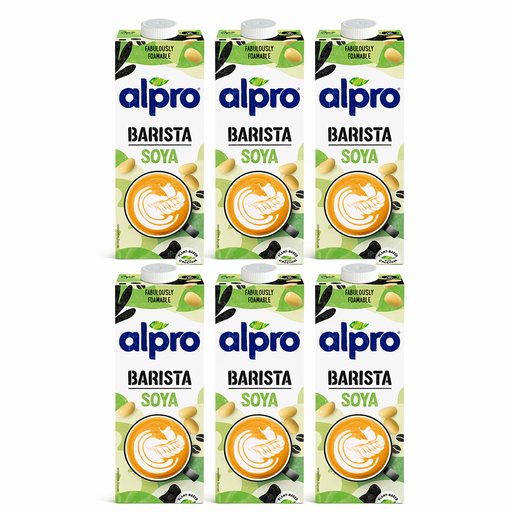 No image available
If you want a soya drink for coffee, compare its fat per 100ml with other options. Confirm the exact carton’s milk-allergen statement before using it to avoid dairy; the Barista name alone does not establish that requirement.
No. Lactose-free cow’s milk still contains milk ingredients. Gloucestershire Hospitals NHS Foundation Trust distinguishes lactose intolerance from milk allergy and states that a milk allergy requires avoidance of milk products. Check the ingredients and allergen declaration rather than relying on ‘lactose-free’ wording.
Choose skimmed if minimising fat is the deciding factor and you can consume dairy. Tesco Groceries lists 0.1g fat per 100ml for its lactose-free skimmed drink and 1.7g per 100ml for its semi-skimmed drink; compare the exact cartons you are buying.
Confirm the milk-allergen declaration, then compare fat, protein and calcium fortification per 100ml. The NHS identifies unsweetened calcium-fortified plant drinks as options within the dairy-and-alternatives food group, but the nutrition of individual drinks differs.
Follow the instructions on the exact carton. The Tesco lactose-free drinks and the Arla and M&S products described by their retailers specify refrigeration and use within three days of opening; also observe the carton’s use-by date.