Households avoiding lactose
If cow’s milk is suitable but lactose causes a problem, lactose-free dairy milk can be considered for a drink, cereal or snack preparation. The NHS distinguishes lactose intolerance from a reaction to milk proteins.


Choose lactose-free cow’s milk for an after-school snack only if the child can have milk but needs to avoid lactose: it is not dairy-free, as Arla LactoFREE’s ingredient and allergen information makes clear. If cow’s milk must be excluded, choose a suitable dairy-free drink and check its allergens and, when it regularly replaces dairy, its fortification and protein information. Carton size and storage instructions matter whichever route you take.
The reason for avoiding lactose or milk determines which drinks belong on the shortlist.
If cow’s milk is suitable but lactose causes a problem, lactose-free dairy milk can be considered for a drink, cereal or snack preparation. The NHS distinguishes lactose intolerance from a reaction to milk proteins.
A child following a cow’s-milk-free diet needs a genuinely milk-free choice, not lactose-free cow’s milk. The same distinction matters when choosing a drink for a vegan snack; check the exact product’s ingredients and allergen statement.
Choose a carton size the household can use within its opened-pack instructions. Chilled milk and long-life cartons offer different storage options before opening, but the directions on the particular pack still apply.
Decide whether milk itself must be excluded before comparing nutrients, carton formats or fat levels.
Consider when: Cow’s milk is suitable for the child, but lactose is the reason for changing drinks.
Important limit: It still contains milk proteins; Arla LactoFREE’s product information says it is unsuitable for people with a milk allergy.
Consider when: Cow’s milk must be excluded or the snack needs to be vegan, provided the exact drink meets the child’s requirements.
Important limit: Plant drinks differ in protein and fortification; NHS dietetic guidance for children with cow’s-milk-protein allergy does not treat them as interchangeable.
| Priority | What to check | Your needs |
|---|---|---|
| Milk and allergens | Read the full ingredients and allergen statement. A lactose-free label does not mean milk-free: Sainsbury’s lists milk in Arla LactoFREE and warns that it is unsuitable for milk allergy. | I need a snack drink that fits the child’s milk-allergy plan, cow’s-milk-free diet or vegan requirements. |
| Plant-drink nutrition | Compare calcium and iodine fortification, protein and sugars on the exact carton. NHS dietetic guidance for children over one with cow’s-milk-protein allergy identifies unsweetened, fortified soya or pea drinks as first choices and fortified oat drinks as a second choice; individual allergies still matter. | If a plant drink regularly replaces dairy, I want to compare its labelled nutrients rather than assume oat, soya and pea drinks are equivalent. |
| Carton and storage | Check whether the pack needs chilling before opening, then follow its refrigeration and use-within instructions after opening. Match the carton size to how much the household uses. | A cupboard-stored carton could be useful before opening, but I also need to finish it within the time stated on the pack. |
| Dairy-milk variant | If cow’s milk is suitable, compare whole, semi-skimmed and skimmed lactose-free variants and check whether the chosen carton is chilled or long-life. | I want a familiar dairy option in the fat level and format the household normally uses. |
| Snack setting | If the drink will be taken to a school or club, check that setting’s food and allergen arrangements as well as the product label. | I need to know whether the planned snack can be brought into the place where it will be consumed. |
Lactose-free cow’s milk still contains milk proteins. Arla LactoFREE product listings explicitly warn that it is unsuitable for people with a milk allergy.
When milk must be excluded, leave lactose-free dairy milk off the shortlist and read the chosen drink’s full ingredients and allergen statement.
NHS dietetic guidance distinguishes fortified soya and pea drinks from oat alternatives for children over one with cow’s-milk-protein allergy; the drinks can differ in protein and other nutrients.
Compare fortification, protein and sugars on the exact carton. For a diagnosed allergy, follow the child’s individual dietary advice, including advice about other allergens.
An opened carton may need to be discarded before the household finishes it. Arla and M&S listings give opened-pack refrigeration and use-within instructions for their respective milk products.
Choose a size and chilled or long-life format that fits your routine, then follow the storage directions on the pack you buy.
A retailer’s lactose-free category may contain both dairy milk and plant drinks, so the individual product label remains decisive.
A lactose-free cow’s-milk range with whole, semi-skimmed and skimmed examples, including long-life cartons.
An own-label route for comparing lactose-free dairy cartons with branded options.
Its lactose-free listings include own-label dairy drinks and plant-based drinks.
An own-label lactose-free cow’s-milk option in whole and semi-skimmed variants, according to Marks & Spencer.
A retailer reference for checking Arla LactoFREE dairy milk alongside plant-drink options.
These plant-based soya and oat drink options cover the non-dairy side of the after-school snack decision. Check the exact pack before using any drink for a milk-allergy requirement or as a regular dairy replacement.
 No image available
A long-life soya drink to consider for household snack use. Check the exact pack’s milk and soya allergen information, fortification and instructions for storage after opening.
 No image available
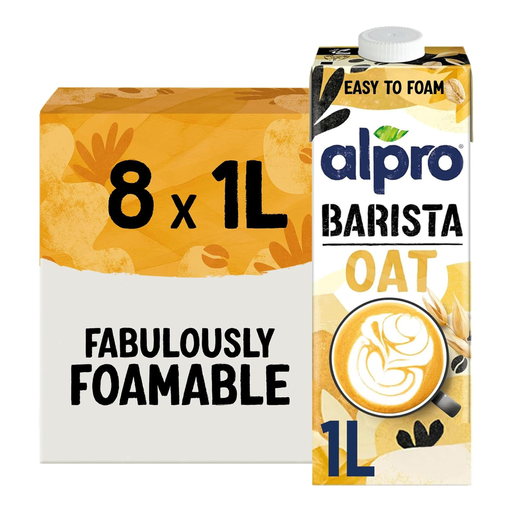
This long-life oat option comes in eight 1L cartons. For a child’s snack or a regular dairy replacement, check the pack’s allergen statement, protein and fortification rather than relying on the “Barista” name.
 No image available
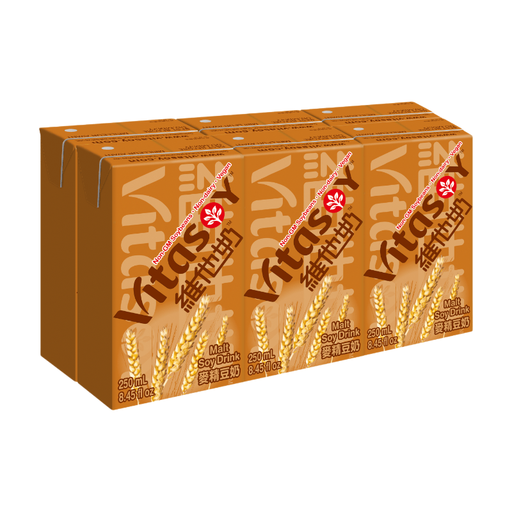
The six 250ml cartons offer individual snack portions. Before serving one to a child who must avoid milk, confirm its milk-allergen and precautionary statements on the exact pack; also check the other declared allergens and nutrition panel.
No: lactose-free cow’s milk is still a milk-containing product, not a dairy-free substitute. Sheffield Children’s NHS Foundation Trust and the British Dietetic Association’s food allergy guidance distinguishes reactions to milk proteins from lactose intolerance; follow the child’s allergy plan and check the exact label.
NHS North West dietetic guidance for children over one with cow’s-milk-protein allergy identifies unsweetened, fortified soya or pea drinks as first choices and unsweetened, fortified oat drinks as a second choice. Check the exact drink’s allergens and nutrients, and follow individual clinical advice where another ingredient, such as soya, may be unsuitable.
Start with the ingredients and allergen statement. If the drink regularly replaces dairy, compare its calcium and iodine fortification, protein and sugars; Kingston and Richmond NHS Foundation Trust’s parent guidance highlights calcium and iodine when dairy is excluded. Check the carton’s storage directions too.
Follow the instructions on the carton you buy. Arla chilled product listings and Marks & Spencer’s semi-skimmed lactose-free milk information say to refrigerate after opening and consume within three days, but that instruction should not be assumed for every lactose-free milk.