Parents preparing a vegan toddler dinner
A lactose-free dairy drink still contains milk. Look for a plant-based option, then check its ingredients, allergens and suitability for how the child will use it.


For a vegan toddler dinner, choose a plant-based drink rather than lactose-free cow’s milk: removing lactose does not remove the milk. If a child aged 1 or over will also drink it regularly, Norfolk and Waveney Integrated Care Board’s guidance favours unsweetened, fortified soya or pea alternatives where suitable for the child’s allergies; check the current carton before choosing.
The reason for avoiding milk determines whether lactose-free dairy is an option at all.
A lactose-free dairy drink still contains milk. Look for a plant-based option, then check its ingredients, allergens and suitability for how the child will use it.
If the concern is lactose and cow’s milk is otherwise suitable, lactose-free dairy is a different choice from a vegan alternative. University Hospitals of Leicester NHS Trust notes that its lactose-intolerance advice does not apply to milk allergy.
Lactose-free cow’s milk is not a milk-free substitute. Check the full allergen information on any alternative too, particularly if the child must also avoid soya, pea, nuts or coconut.
Decide whether the meal must be vegan or milk-free, then consider whether the drink is only an ingredient or will also be used as a regular milk drink.
Consider it: When the aim is to reduce lactose and cow’s milk is otherwise suitable.
Limit: It remains dairy, so it does not meet a vegan or milk-free requirement; Sainsbury’s lists cow’s milk in its Everyday Lactose Free Skimmed Dairy Drink.
Consider it: When dinner must be vegan or free from cow’s milk, provided the ingredients suit the child’s other allergies.
Limit: Plant drinks differ in protein and fortification. For regular use from age 1, Norfolk and Waveney Integrated Care Board favours unsweetened, fortified soya or pea alternatives.
| Priority | What to check | Your needs |
|---|---|---|
| Vegan or milk-free ingredients | Read the ingredient list and milk allergen declaration. Do not treat “lactose-free” as another word for “dairy-free”: Sainsbury’s Everyday Lactose Free Skimmed Dairy Drink lists cow’s milk. | I’m making a vegan or milk-free dinner, so the drink must not contain dairy. |
| Fortification and protein | For a drink used regularly from age 1, compare the protein and fortification on the carton. Norfolk and Waveney Integrated Care Board favours unsweetened, fortified soya or pea alternatives; NHS South West London Integrated Care Board advises looking for at least 120 mg calcium per 100 ml. | If this will also be my child’s usual milk drink, its ingredients and nutrition information matter beyond whether it works in a recipe. |
| Age and use | Distinguish a small amount used in cooking from a main milk drink. NHS-linked guidance says plant alternatives should not replace breast milk or infant formula as the main milk before age 1. | For a younger child, I need to know whether I’m adding the drink to food or offering it as their main milk. |
| Other allergens | Check the current ingredients and highlighted allergens, including the drink’s plant base. Food Standards Agency research cautions that vegan labelling is not a substitute for allergen information. | A vegan label alone does not answer whether the drink fits my child’s allergy requirements. |
Lactose-free dairy can still contain cow’s milk, making it unsuitable when the dinner must be vegan or milk-free.
Check that the drink is plant-based and read the ingredients rather than relying on its lactose claim.
Plant drinks differ in protein and fortification, which matters more when one is used regularly as a child’s milk drink rather than occasionally in cooking.
For a child aged 1 or over, compare unsweetened soya or pea options that suit their allergies, and check the carton’s nutrition and fortification information.
Using a plant alternative in food is not the same decision as replacing a young child’s main milk.
Before age 1, do not replace breast milk or infant formula as the main milk with a plant drink; check age-related guidance for the intended use.
A vegan drink may still contain ingredients that a child needs to avoid. Food Standards Agency research says vegan labelling alone should not stand in for allergen information.
Read the ingredients and highlighted allergens each time. If milk allergy is suspected, seek advice from an appropriate healthcare professional rather than trying lactose-free dairy as a milk-free alternative.
These ranges illustrate the difference between lactose-free dairy and plant-based drinks; a familiar range name does not replace a check of the individual carton.
A lactose-free cow’s-milk range; Tesco lists an Arla LactoFREE Whole Milk Drink.
Includes plant-drink options as well as products elsewhere in its dairy-alternatives range.
Offers distinct lactose-free dairy and plant-drink choices.
A plant-based range that includes soya and other drink bases.
An own-label range that includes an unsweetened soya alternative.
These soya, oat and almond drinks offer different starting points for a vegan toddler-dinner ingredient. If a drink will also serve as a regular milk replacement, compare its current carton with the age, fortification and allergy checks above; a product name alone cannot settle that choice.
 Image unavailable
A soya-based option for a meal that calls for a plant drink. The title identifies a no-sugars, long-life pack of eight 1L cartons; check the current carton’s fortification, calcium amount, age guidance and soya allergen information before using it regularly as a child’s milk drink.
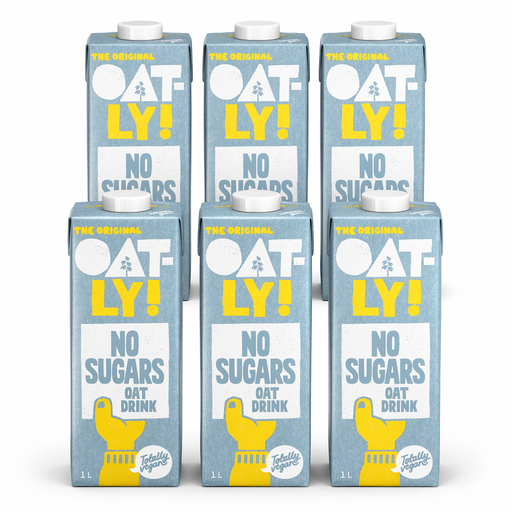 Image unavailable
An oat-based option when comparing plant drinks for a toddler meal. The name identifies six 1L cartons; confirm vegan suitability on the current pack and check its allergens, protein, calcium and age guidance before considering it as a regular milk drink.
 Image unavailable
A no-sugars oat drink to consider as a plant-based dinner ingredient. The pack contains eight 1L cartons; compare its protein and fortification with the guidance for regular use, and check the current carton for calcium, allergens and age-related information.
 Image unavailable
An almond-based option for a plant-drink recipe when almond is suitable for the child. The title identifies eight 1L cartons; check the almond allergen information and compare protein, calcium and other fortification before considering any regular milk replacement.
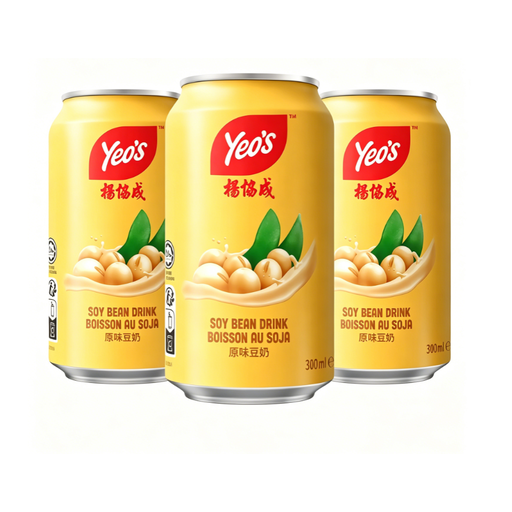 Image unavailable
A soy bean drink sold as three 300ml packs. For a toddler dinner, check its current sugar information and soya allergen declaration; assess fortification and age guidance separately before considering it as a regular milk drink.
No. Lactose-free cow’s milk remains dairy: Sainsbury’s lists cow’s milk among the ingredients of its Everyday Lactose Free Skimmed Dairy Drink. For a vegan toddler dinner, check that the chosen drink is plant-based and read its ingredients.
A plant drink used in cooking is a different choice from one used as a child’s main milk. For children aged 1 or over, Norfolk and Waveney Integrated Care Board favours unsweetened, fortified soya or pea alternatives where suitable for their allergies. Before age 1, a plant drink should not replace breast milk or infant formula as the main milk.
Check the ingredients, allergens, nutrition information and fortification, especially if the drink will be used regularly. Norfolk and Waveney Integrated Care Board favours unsweetened, fortified soya or pea alternatives for children aged 1 or over where suitable; NHS South West London Integrated Care Board advises looking for at least 120 mg calcium per 100 ml.
No: reducing lactose does not remove cow’s-milk protein. University Hospitals of Leicester NHS Trust states that its lactose-intolerance advice is not suitable for milk allergy. Seek appropriate clinical advice if an allergy is suspected.
No. Food Standards Agency research cautions that vegan labelling alone should not be used instead of allergen information. Read the current ingredient list and highlighted allergens, particularly if the child must avoid soya, pea, nuts or another ingredient.