
24/7 Customer Support

Free returns

Same-day & Next-day Delivery

Quality Guaranteed

Unlock Your Welcome Offers: FREE Delivery | Up to 80% OFF | Free 30-day JoyPlus trial
Download the APP
Buying lager beer multipacks online can look straightforward until you compare pack sizes, formats, alcohol strength and origin. A larger box is not automatically better value, while a premium lager beer may not suit a busy barbecue where guests want an easy-drinking option.
This guide from the Joybuy Product Recommendation Officer highlights the common buying traps and the practical details worth checking before you buy beer online in the UK.
A 24-pack may appear more economical than a 10-pack, but the total volume and price per litre provide a clearer comparison. A box of 24 x 330ml bottles contains 7.92 litres, while 15 x 440ml cans contain 6.6 litres. Always compare the total volume rather than the number of containers alone.
Also consider whether you will use the entire pack before the stated date on the packaging. A smaller beer multipack can be more practical for occasional drinkers or households with limited storage.
Alcohol by volume, or ABV, indicates the percentage of alcohol in the drink. It does not tell you the total alcohol in a can or bottle without considering its size.
The approximate UK alcohol-unit calculation is:
ABV × volume in millilitres ÷ 1,000 = units
For example, a 440ml can at 5% ABV contains approximately 2.2 UK units. A 330ml bottle at 3.4% ABV contains approximately 1.1 units. Check the pack label because unit information can vary between formats and products.
Imported lager can offer a different style, recipe or food-pairing profile, but the brewing location and ingredients still matter more than the country name on the front of the pack. Some international brands are brewed under licence in the UK or elsewhere.
Check the country of origin, ingredients, allergens and ABV. This is especially important if you are comparing British lager, European options, American-style lager or products from Mexico, Japan, Italy, Spain and Vietnam.
For everyday cupboards, 10- or 12-can lager beer multipacks can reduce leftover stock. For parties, sporting events and beer for BBQs, larger cases may be more convenient.
Common formats include:
Glass bottles can create more waste and require careful handling, while cans are generally easier to transport and chill. Check whether bottles are returnable or non-returnable where this information is provided.
The products available in this category range from around 3.4% to 5% ABV. Lower-strength choices may suit shoppers who prefer a lighter lager, while 4.5% to 5% options provide a more traditional full-strength serving.
Do not assume a lower ABV makes unrestricted drinking appropriate. The UK Chief Medical Officers advise that adults should not regularly exceed 14 units per week. Alcohol is for people aged 18 and over; never buy alcohol for anyone under the legal age, and do not drink while pregnant or drive after drinking.
Most lager contains barley and gluten, although recipes differ. Some products also include wheat, maize, rice, glucose syrup or sulphites. Read the physical packaging before consumption, particularly if you have an allergy, intolerance or dietary requirement.
Storage also affects the drinking experience. Keep unopened cans and bottles in a cool, dry place away from direct sunlight and heat. Chilled lager is generally more refreshing, but avoid relying on a fridge temperature alone when planning a large event; allow enough time to cool the whole pack.
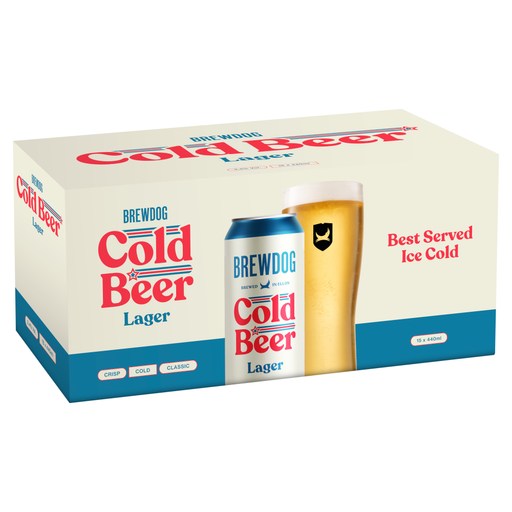
Why This Fits Their Persona: The 15 x 440ml format provides a substantial stock-up without moving to a very large case. At 3.4% ABV, it is suited to shoppers comparing lighter lager options for relaxed home occasions.
The listing states the pack volume, ABV and approximately 1.5 units per 440ml can, making comparison more transparent than relying on pack count alone.
440ml cans; brewed and canned in Scotland; pale ale and light Munich malts with subtle lemon notes.
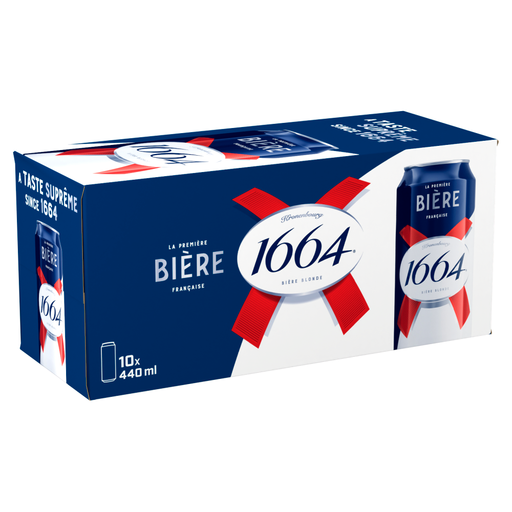
Why This Fits Their Persona: This 4.6% ABV French-style lager suits shoppers who want a recognisable premium lager beer in a manageable 10-can format for dinners and small gatherings.
The product information identifies the 4.6% ABV, 440ml serving size and ingredients, including barley and wheat, rather than leaving the shopper to infer the strength.
Crisp, golden lager profile; Alsace hops are listed in the product description; designed to be served chilled.
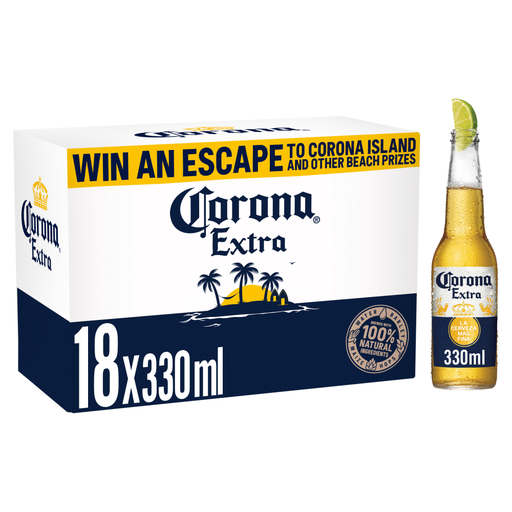
Why This Fits Their Persona: The 18-bottle case is suitable for larger gatherings, outdoor meals and beer for BBQs where individual 330ml servings are convenient to distribute.
The listing clearly states the bottle count, 330ml format, 4.5% ABV and Mexican origin, helping you assess volume, strength and provenance.
330ml glass bottles; 5.94 litres per pack; barley malt, corn and hops listed as ingredients.

Why This Fits Their Persona: A 24-bottle format provides plentiful individual servings for larger celebrations, food-led gatherings and shoppers building an imported lager selection.
The product information identifies the 24 x 330ml quantity, 5% ABV, listed ingredients and stated brewing origin, giving you details to check before purchase.
24 individual bottles; dry-style lager profile; suitable for pairing with a variety of meals.
We have compiled a complete, real-time list of products that fully satisfy these strict selection criteria and UK safety regulations.
Cans are generally easier to transport, stack and cool in larger quantities. Bottles provide individual 330ml servings and may suit meals or occasions where presentation matters. Check the storage space, recycling arrangements and whether the bottles are returnable or non-returnable.
Unopened lager should be stored according to the packaging instructions and consumed by the stated date where applicable. Keep it away from heat and direct sunlight. Once opened, drink the contents promptly for the intended carbonation and freshness.
For a small gathering, a 10- or 12-pack may provide manageable stock. For a larger barbecue, an 18- or 24-pack can reduce the need for multiple purchases. Calculate servings based on the container size and remember to provide water and alcohol-free drinks alongside alcoholic options.
When comparing lager beer multipacks, focus on price per litre, ABV, units per serving, format, ingredients and origin. These details make it easier to choose between bottled lager, canned lager, British lager and imported options without relying solely on front-of-pack marketing.