
24/7 Customer Support

Free returns

Same-day & Next-day Delivery

Quality Guaranteed

Unlock Your Welcome Offers: FREE Delivery | Up to 80% OFF | Free 30-day JoyPlus trial
Download the APP
Buying lamb meat and lamb products online can make family meals, hot pot evenings and barbecues more convenient. However, attractive packaging does not always tell you whether a product suits your recipe, freezer space or budget. The useful details are usually in the cut, pack size, storage instructions and ingredient list.
This guide explains what to check before ordering, with practical recommendations for UK households.
A thinly rolled product may be suitable for a quick hot pot but disappointing when roasted. Conversely, a boneless shoulder or lamb leg needs proper defrosting and longer cooking, so it is not an instant substitute for lamb slices.
Before buying, decide whether you need:
A 1kg pack may offer a lower cost per 100g, but only if you can use it before quality declines. Frozen lamb should be kept at -18°C or below, and you should not refreeze it after defrosting. Check whether the pack can be divided while frozen or whether it needs to be thawed in full.
For smaller households, a 300g or 400g pack may reduce waste. Larger packs make more sense for family meals, entertaining or batch cooking.
Some products are 100% lamb, while others contain salt, seasonings, breadcrumbs, chicken or preservatives. This matters if you are buying for a particular diet or recipe.
For example, corned mutton is cooked and salt-cured, so it is a pantry product rather than raw lamb. Lamb gravy and lamb stock cubes are cooking aids, not cuts of meat. Check the label for allergens such as celery, wheat, soya, sesame or sulphites.
The cut should reflect the result you want. Thin lamb slices cook quickly and absorb hot pot broth, while shoulder contains more connective tissue and is generally suited to slower cooking. Lamb leg is often chosen when a leaner, boneless cut is useful for roasting, curries or stir-frying.
Bone-in options such as ribs and neck bones can add texture and flavour to slow-cooked dishes, but they provide less edible meat by weight. Allow for this when comparing pack prices.
Read whether the product is:
For hot pot, products such as Kinda Hotpot Lamb Slice 400g are designed to be added directly to boiling soup according to the supplied directions. Other products, including boneless shoulder and leg, should be thawed thoroughly before cooking.
Follow the packaging instructions rather than relying on appearance. Raw lamb products require thorough cooking; the supplied product guidance commonly specifies a core temperature of at least 75°C. Prepared skewers may have different instructions, so use the temperature and timing shown on the label.
Keep frozen goods cold during delivery and return them to the freezer promptly. For refrigerated products such as prepared lamb tikka skewers, check the use-by date and storage temperature before ordering.
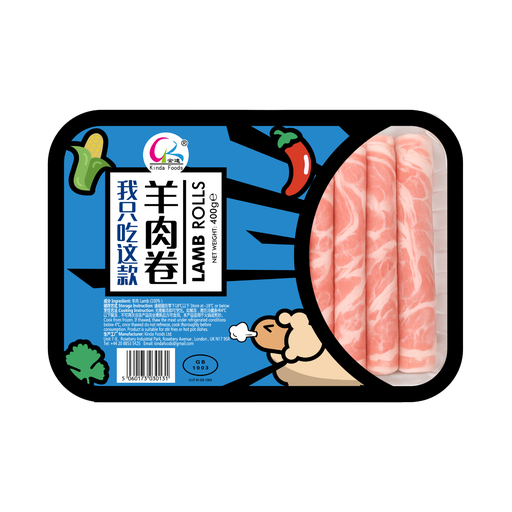
Why This Fits Their Persona: A manageable pack for first-time hot pot cooks, couples and smaller UK households.
The product is clearly positioned for hot pot and can be added frozen according to its cooking directions, avoiding an unsuitable roasting cut.
400g pack; lamb-only ingredients; suitable for hot pot, stir-fry and noodle soup.
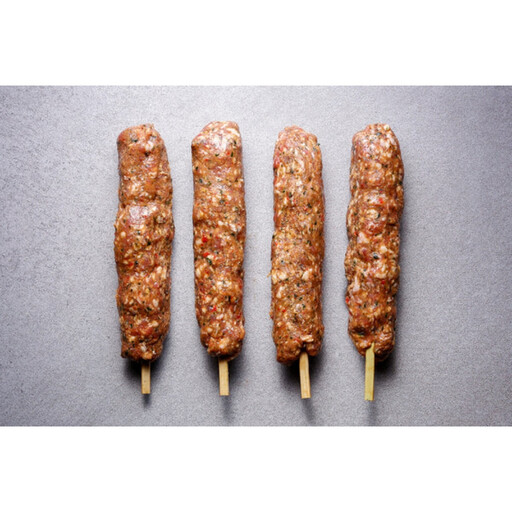
Why This Fits Their Persona: Suits shoppers planning a barbecue or an easy plated meal with a prepared seasoning profile.
The ingredients and allergens are listed, including wheat and sulphites, so buyers can check suitability before purchase.
Four prepared skewers; refrigerated format; cooking guidance for grilling or oven cooking.
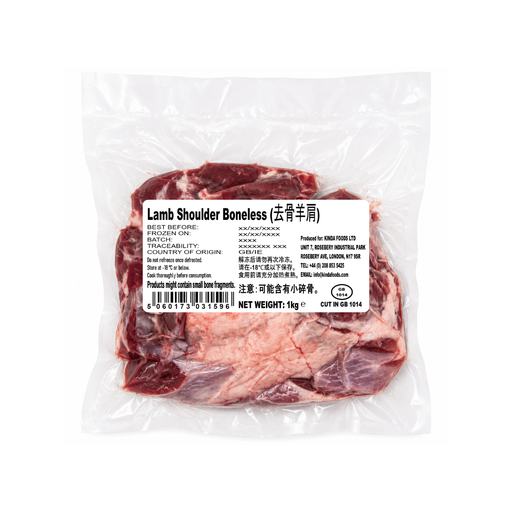
Why This Fits Their Persona: A flexible freezer option for family roasts, curries, braises and batch cooking.
The boneless 1kg format is clearly identified, while the label advises complete thawing and thorough cooking before eating.
100% lamb; boneless preparation; suitable for several cooking methods.
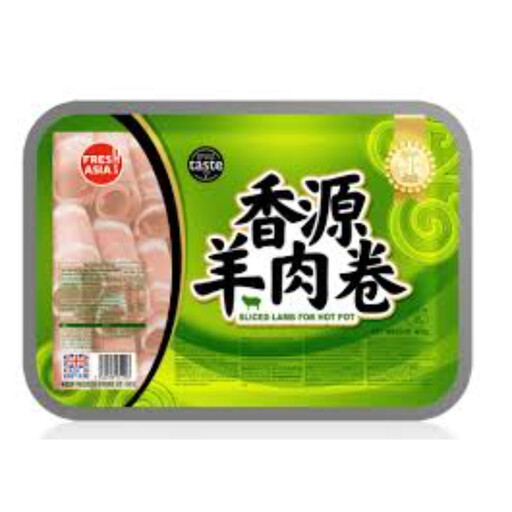
Why This Fits Their Persona: A larger format for regular hot pot meals, stir-fries, grilling or shared gatherings.
The 800g quantity is visible before purchase, making portion and freezer planning easier than relying on serving claims.
Large pack; thin sliced format; suitable for hot pot, stir-frying and grilling.
A few pantry products can extend the uses of your chosen cut:
We have compiled a complete, real-time list of products that fully satisfy these strict selection criteria and UK safety regulations.
Yes, products specifically labelled for hot pot may be added frozen according to their instructions. Cook until fully changed in colour and piping hot. Do not use this method for every lamb cut; thicker shoulder, leg and ribs generally need thorough thawing first.
Lamb comes from younger sheep, while mutton refers to meat from older sheep. Corned mutton is typically cooked and salt-cured in brine, making it ready to eat or suitable for hashes, sandwiches, curries and stews. It is not interchangeable with raw frozen lamb in recipes.
Place frozen lamb in a freezer at -18°C or below and follow the stated best-before date. Thaw raw cuts in the refrigerator, cook thoroughly and do not refreeze after thawing. Refrigerated prepared products should remain below the temperature shown on the packaging and be used by the stated use-by date.