What to check before choosing
For scoring beside a bright window, assess the screen at your intended desk position, confirm the complete audio workflow, then size memory and storage for the projects you expect to run.
| Concern |
What to check |
Who this matters to |
| Screen visibility |
Compare stated SDR or sustained brightness with the exact panel’s glare, anti-glare or low-reflection finish; assess the window angle. |
If daylight makes my score and picture hard to follow, I need a screen I can position and read without relying on its HDR peak figure. Around 50% of consumers put window-side visibility first. |
| Scoring-tool compatibility |
Confirm the DAW version, plug-ins, licence tools and audio-interface drivers for the intended operating system and processor. |
I need my existing sessions and recording hardware to work on the new laptop, even if that limits my platform choice. For around 30% of consumers, compatibility is the primary concern. |
| Project capacity |
Size memory and storage for your largest likely session and libraries; use Avid’s 16GB Pro Tools requirement as a baseline, not a project-size target. |
When my sessions bring together instruments, project assets and picture playback, I need room for that workload rather than the smallest session I can open. Project capacity comes first for around 20% of consumers. |
Joybuy products for scoring setups
These configurations offer different screen sizes, layouts and memory capacities for scoring alongside picture. Check each exact display at your window position and confirm that your DAW, plug-ins and audio interface work with the chosen system.
 No image available
ASUS ProArt P16 H7606WW-SE006W, Ryzen AI 9 HX 370, RTX 5080 16GB, 64GB/2TB
Consider this Windows configuration if your scoring projects need substantial stated memory and storage alongside a 16-inch screen for picture work.
- 16-inch 4K OLED touchscreen; 64GB RAM and 2TB SSD.
- AMD Ryzen AI 9 HX 370 and NVIDIA GeForce RTX 5080 16GB; Windows 11 Home.
- Check the exact screen’s SDR brightness and surface finish at your window position, plus support for your audio tools.
Joybuy
 No image available
Apple MacBook Pro 16.2-inch M5 Max, 18-core CPU/40-core GPU, 48GB/2TB, Space Black
For a Mac-based scoring workflow that calls for a larger screen and substantial project storage, confirm that your required applications and audio hardware support the intended system.
- 16.2-inch display; 48GB unified memory and 2TB storage.
- M5 Max with an 18-core CPU and 40-core GPU.
- Check this configuration’s SDR brightness and panel finish before choosing it for the window-side desk.
Joybuy
 No image available
Lenovo Legion Pro 7 16IAX10H 83F5000UUK, Core Ultra 9, RTX 5090, 64GB/2TB
Consider this 16-inch Windows configuration for sizeable scoring projects if the software, audio connections and desk setup suit your workflow.
- Intel Core Ultra 9, 64GB RAM and 2TB SSD.
- NVIDIA GeForce RTX 5090; Windows 11 Home.
- Confirm the exact screen’s SDR brightness and surface finish, as well as the charger and carrying weight, for your intended setup.
Joybuy
 No image available
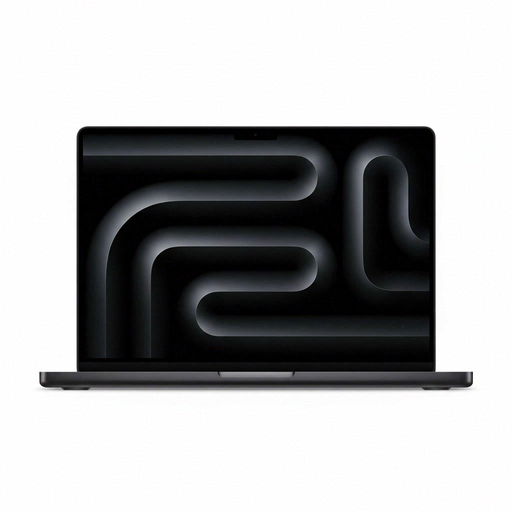
Apple MacBook Pro 14.2-inch M5 Pro, 15-core CPU/16-core GPU, 24GB/2TB, Space Black
For a more compact Mac scoring setup, check your Logic Pro workflow’s plug-ins and audio-interface drivers against the intended system.
- 14.2-inch display, 24GB unified memory and 2TB storage.
- M5 Pro with a 15-core CPU and 16-core GPU.
- Confirm the exact display’s SDR specification and surface finish for the window position. Check whether a compatible power adapter is included.
Joybuy
 No image available
ASUS Zenbook DUO UX8406CA-QL135W, dual 14-inch OLED touchscreens, Core Ultra 7 255H, 16GB/1TB
If separate screens would help you arrange a score, DAW and picture, assess both panels where the laptop will sit rather than assuming the dual-screen layout resolves reflections.
- Dual 14-inch OLED touchscreens; Intel Core Ultra 7 255H.
- 16GB LPDDR5X RAM and 1TB SSD.
- Confirm the exact panels’ resolution and surface finish, and size the memory against your largest expected session.
Joybuy
Common questions
Will a 1,000-nit laptop screen be readable beside any bright window?
No: a brightness figure cannot account for reflections from your particular window angle. Compare ordinary SDR or sustained brightness separately from HDR peak brightness, then check the selected panel’s finish. Apple lists up to 1,000 nits SDR in outdoor conditions for current MacBook Pro displays; Lenovo lists a 1,000-nit figure for the specified Yoga Pro 9i configuration, which has a glare finish.
Should I choose Mac or Windows for animation scoring?
Choose around the scoring software and hardware you need to keep using. Apple offers Logic Pro for Mac and iPad, while Avid specifies supported macOS and Windows systems for Pro Tools. Before ordering either platform, check your exact DAW version, plug-ins, licence tools and audio-interface driver.
Is 16GB of memory enough for scoring to picture?
Avid lists 16GB as a Pro Tools system requirement, but that does not establish enough headroom for every scoring project. Size memory and storage against the instruments, libraries, project assets and other applications you expect to use together.
Can I return an online laptop purchase in the UK if it does not suit my setup?
For an online purchase, GOV.UK says you can tell the seller you want to cancel within 14 days of receiving the item, then have another 14 days to return it. Check the seller’s return process and handle the laptop only as you would in a shop while assessing it. Remedies for faulty or misdescribed goods are separate from changing your mind.


