Choose a laptop that can run your desktop app and its complete test toolchain before comparing screens. Beside a bright window, check both display brightness and reflection treatment on the exact configuration, then match memory, storage and connections to the work you will do. macOS, conventional Windows and Windows on Arm serve different testing requirements; an app that runs on one cannot be assumed to work with every tool or driver on another.
Who needs to make these checks?
Bright-window desktop testers
If daylight makes interface details, logs or debugging output difficult to inspect, compare the exact screen specification and its reflection treatment. Apple and Lenovo publish different display specifications by laptop and configuration, so the model family alone is not enough.
Platform-bound app testers
If your app, build tools or test devices require a particular operating system or processor architecture, settle that requirement before choosing a display. Microsoft's Windows on Arm guidance makes driver compatibility a particular check for hardware-dependent workflows.
Local-build multitaskers
If you keep an IDE open alongside builds, debugging tools and local services, size the laptop for the combined workload. Microsoft and JetBrains publish tool requirements, but your project files and other tools also need room.
What should you check before choosing?
MacBook Pro for Apple-platform work
Choose when: Your test workflow requires macOS or Xcode; Apple identifies Xcode as a tool suite for Apple-platform development and testing.
Check first: Confirm that the desktop app and every dependency support the required macOS version and Apple silicon; this route does not replace Windows-specific testing.
Conventional Windows laptop
Choose when: Your app or test hardware requires a conventional Windows x64 environment. Lenovo lists 500-nit anti-glare or anti-reflection options for specific ThinkPad X1 Carbon Gen 13 configurations.
Check first: Panel finish and other specifications vary by configuration; a display rating alone cannot tell you how your window will reflect in it.
Windows on Arm
Choose when: You intend to test on Arm-based Windows or have confirmed that the whole test stack works on it. Microsoft lists Snapdragon processors for the Surface Laptop 13.8-inch (7th Edition).
Check first: Microsoft documents x86 and x64 app emulation, but notes its overhead and says kernel drivers require native Arm64 builds.
| Concern | What to check | Who this matters to |
|---|
| Screen readability |
Check the exact panel's brightness rating and anti-glare or anti-reflection treatment. Consider where the window sits relative to the screen. |
When daylight falls across my work area, I need to read small interface details and logs without fighting reflections. Around 33% of consumers put screen readability first. |
| Platform compatibility |
Confirm the app's operating-system and processor requirements, then check its tools, plug-ins and any test-device drivers. |
If my test hardware or build tools depend on a particular platform, the laptop must support that whole workflow. For around 27% of consumers, compatibility is the primary concern. |
| Local-workload capacity |
Check requirements for tools used together, plus the memory and storage available in the chosen configuration. |
I need enough room to build and debug while my other test tools stay open. Local-workload capacity comes first for around 27% of consumers. |
| Desk flexibility |
Check the exact ports and external-display support, as well as weight if you regularly move the laptop to avoid glare. |
When the window position changes how I work, I want to move the laptop or connect my desk display without disrupting testing. Around 13% of consumers prioritise that flexibility. |
Mistakes to avoid
-
Choosing the screen before the platform
A readable display will not help if the app, build tools or test-device drivers cannot work on the laptop's operating system and processor architecture.
Write down the supported platforms and dependencies first. Check Windows on Arm separately from conventional Windows, especially if testing requires hardware drivers.
-
Assuming brightness eliminates reflections
Brightness and reflected light are different considerations. The panel finish and angle to the window both affect what you see at your desk.
Confirm the finish on the exact configuration and consider whether you can reposition the screen or control light from the window.
-
Sizing the laptop to an IDE's minimum alone
An IDE's requirements do not account for every project file, build output, local service or virtual machine you may use alongside it.
Check the requirements of the tools you will run together and the memory and storage options of the exact laptop.
Relevant laptop lines to consider
Apple
MacBook Pro is a route to examine when testing requires macOS or Apple-platform tools.
- Apple specifies up to 1,000 nits SDR brightness in bright light for the MacBook Pro display described in its UK specifications, and Apple Developer identifies Xcode as an Apple-platform development and testing tool.
- Check the required macOS and Xcode versions and whether your app and dependencies support Apple silicon. Apple-platform tooling does not establish Windows-only app or driver compatibility.
Lenovo
ThinkPad X1 Carbon Gen 13 Aura Edition is worth examining for a portable Windows setup with a specified window-side display option.
- Lenovo UK lists particular configurations with 500-nit IPS anti-glare or OLED anti-reflection display options.
- Panel type, finish and memory differ by configuration. Check the individual laptop rather than applying one ThinkPad specification to the whole line.
Microsoft
Surface Laptop 13.8-inch (7th Edition) is a Windows on Arm route when that architecture is part of the intended test environment.
- Microsoft lists Snapdragon X Plus or Elite processor options and documents x86 and x64 application emulation on Windows on Arm.
- Microsoft notes emulation overhead and requires native Arm64 builds for kernel drivers. Confirm the app, tools and hardware dependencies individually.
Joybuy products for this setup
These MacBook Pro and Lenovo laptops offer configurations to assess for desktop-app testing near a window. Choose the required app platform first, then compare the listed variant's screen information, capacity and connections against your own test setup.
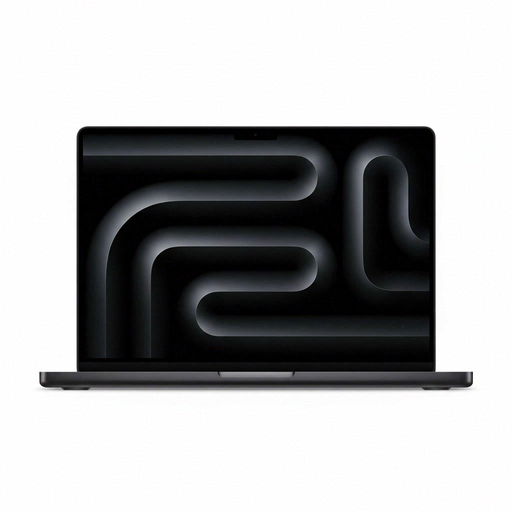 No image available
Apple MacBook Pro 14.2-inch M5 Pro, 24GB/2TB, Space Black
Consider this configuration if your desktop app and test tools support the MacBook Pro platform; confirm the complete workflow before choosing it.
The product name identifies an M5 Pro with a 15-core CPU and 16-core GPU, 24GB memory and 2TB storage.
For window-side use, check the exact display finish and viewing conditions rather than assuming that brightness alone will control reflections.
View on Joybuy
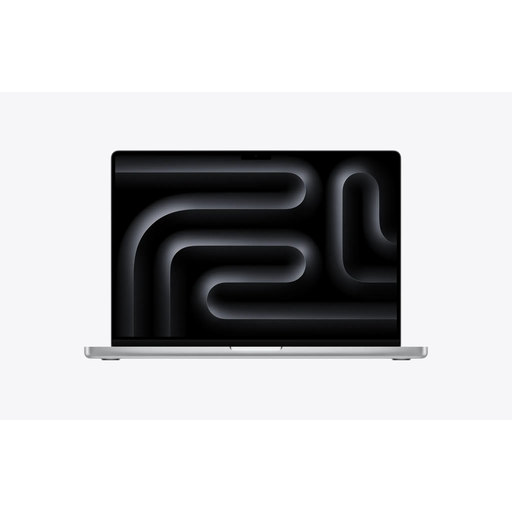 No image available
Apple MacBook Pro 16.2-inch M5 Max, 36GB/2TB, Silver
Consider the larger MacBook Pro configuration if it matches your Apple-platform test workflow and the space needed for tools you run together.
The product name identifies an M5 Max with an 18-core CPU and 32-core GPU, 36GB memory and 2TB storage.
Confirm app and dependency compatibility, and assess reflections at the intended desk; a display brightness figure cannot settle the latter on its own.
View on Joybuy
 No image available
Lenovo LOQ Essential 15ARP11, Ryzen 7 170, 16GB/1TB
For a Windows desktop-app workflow, check that the app, tools and drivers work on this exact configuration before comparing its screen with your desk conditions.
The product name specifies a 15.6-inch FHD 144Hz display, 16GB RAM, a 1TB SSD and GeForce RTX 5050 graphics.
Check the exact panel's brightness and surface treatment for use beside your window.
View on Joybuy
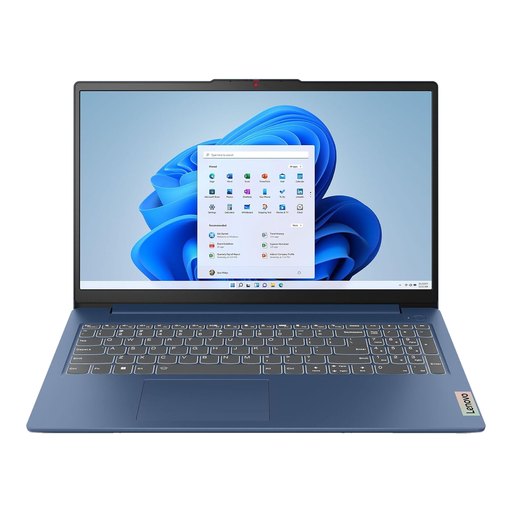 No image available
Lenovo IdeaPad 3 15IAU7 82RK0177UK, 16GB/512GB, Blue
Assess this configuration against your Windows app and toolchain requirements, then check whether its screen suits the window-side desk.
The product name specifies a 15.6-inch model with an Intel Core i7 processor, 16GB RAM and a 512GB SSD.
Confirm the exact panel's brightness, reflection treatment and external-display connections if those determine your setup.
View on Joybuy
Frequently asked questions
Is a 500-nit screen enough beside a bright window?
A 500-nit rating helps you compare specified screens, but it cannot guarantee readability at your desk. Lenovo UK lists 500-nit anti-glare and anti-reflection options for particular ThinkPad X1 Carbon Gen 13 configurations; check the panel on the laptop you choose and consider the angle of the window.
Can a Windows on Arm laptop test an existing x64 desktop app?
It may run the app through emulation, but that does not establish that the complete test workflow will work. Microsoft documents x64 emulation overhead and says kernel drivers need native Arm64 builds, so check the app, IDE, plug-ins, test hardware and drivers before choosing an Arm laptop.
Do I need a Mac for an Apple-platform version of my app?
If your workflow requires Xcode, choose a Mac compatible with the Xcode release you need. Apple Developer identifies Xcode as its Apple-platform development and testing tool and publishes supported macOS versions for each release; also check your app's own requirements.
What if a laptop bought from a UK trader is faulty?
Contact the seller and describe the fault: the Consumer Rights Act 2015 covers faulty goods bought by consumers from traders in the UK. Statutory remedies are distinct from a retailer's change-of-mind return policy, so keep your order details and assess the remedy that applies to the fault.


