Start with the software needed for the review, then compare 13- and 14-inch laptops against the space available on your desk. A 16GB memory and 512GB SSD configuration is a useful preference for documents, browser research and local files where your budget allows, but screen shape, ports and operating-system compatibility may matter more than those figures. Check specialist apps and peripheral drivers particularly carefully before choosing a Windows on Arm laptop.
Who this is for
Editors working at small desks
If a printed book, notebook or mouse shares your desk with the laptop, compare the machine’s width and depth as well as its screen. A 13-inch display with a taller shape and a 14-inch display offer different ways to balance document space against the room left beside the laptop.
Reviewers who depend on Windows tools
If a publisher’s template, older program or peripheral is essential to your review workflow, establish that it works on the laptop you choose. This is particularly important for Windows on Arm: Microsoft says most apps run, while driver-dependent devices need compatible drivers.
Writers who sometimes use a monitor
A compact laptop can serve as your everyday screen while a monitor provides room for a manuscript and sources. Check the exact model’s display-output support and count the wired devices you want connected at once before deciding whether you need a dock.
What matters when choosing
Choose the operating system around your essential writing and reference tools; then decide how much screen and connection space your desk can accommodate.
Compact macOS laptop
Consider it when: your editor, citation tools and file-sharing workflow work on macOS, and you want a compact laptop that can also drive an external display.
Trade-off: Apple lists two Thunderbolt 4/USB-C ports on the 13-inch MacBook Air M5, so several wired accessories may call for an adapter or dock.
Windows on Arm laptop
Consider it when: a compact Windows laptop suits your desk and you have checked every essential app and peripheral against its Arm-based platform.
Trade-off: Microsoft says most Windows apps run natively or through emulation, but native Arm apps offer the strongest performance and driver-dependent devices require compatible drivers.
Conventional Windows laptop
Consider it when: your review depends on Windows software or peripherals and a 14-inch model fits the available desk space.
Trade-off: check the exact chassis and screen finish, not just the display size; Lenovo lists a glossy, non-touch OLED panel for one Yoga Slim 7i Aura Edition Gen 10 configuration.
| Concern | What to check | Who this matters to |
|---|
| Desk space and document view |
Measure the laptop’s width and depth against your desk. Compare display shape and resolution rather than screen diagonal alone. |
I need room beside the laptop for a printed book while keeping enough review text in view; roughly 42% of consumers put that balance first. |
| Memory and local storage |
Check the exact configuration; consider 16GB memory and a 512GB SSD where your budget allows. |
With drafts, notes and research files open during a writing session, I want a configuration that suits that workflow; around 33% of consumers make this their primary concern. |
| Software and peripherals |
Confirm your required editor, citation tools and accessory drivers on the chosen operating system and processor platform. |
If a publisher’s tool or a connected device is essential, I cannot choose by screen specifications alone; approximately 17% of consumers prioritise compatibility. |
| Monitor and wired connections |
Check display-output support and count the ports needed for devices used simultaneously. |
I sometimes move my review onto a monitor and want my other devices connected too; about 8% of consumers place that flexibility first. |
Common buying mistakes
-
Choosing by screen diagonal alone
A screen’s shape changes the document view, while the laptop’s physical dimensions determine how much desk space remains for books or notes.
Measure the available desk area, compare the exact chassis dimensions and, if possible, view a typical manuscript alongside a research page before deciding.
-
Assuming every Windows app works the same way on Arm
Microsoft says most Windows apps can run on Arm-based PCs, but native versions offer the strongest performance and driver-dependent devices need Arm-compatible drivers.
Check the developer’s requirements for essential software and the driver support for any printer, scanner or other device you must use.
-
Treating a laptop range as one fixed specification
Memory, storage and screen options can differ within a model family. The configuration in a product title matters more than a specification seen elsewhere for the range.
Confirm the exact model code, installed memory, SSD capacity, display and keyboard layout on the product page before ordering.
-
Overlooking the ports you need at the same time
Apple lists two Thunderbolt 4/USB-C ports on the 13-inch MacBook Air M5; Microsoft lists two USB-C ports and a USB-A port on the Surface Laptop 13-inch. Your accessory mix determines whether either layout is sufficient.
List the monitor and wired devices you plan to connect simultaneously, then check the laptop’s ports and any adapter requirements.
A compatible hub or dock may be needed if the laptop cannot connect all those devices directly.
Relevant laptop brands
Apple
The 13-inch MacBook Air M5 is a macOS option for a compact review-editing setup. Apple lists a 13.6-inch display, 16GB unified memory and 512GB SSD in its specified configuration.
- Apple specifies support for up to two external displays.
- Its two Thunderbolt 4/USB-C ports may require an adapter or dock for several wired devices; check that your writing tools support macOS.
Microsoft Surface
Microsoft lists a Surface Laptop 13-inch with a 3:2 touchscreen and both USB-C and USB-A connections for a compact Windows setup.
- Microsoft describes the taller screen as showing more document and webpage content without scrolling.
- Its Windows on Arm platform calls for checks on specialist applications and peripheral drivers.
Lenovo
Lenovo lists a Yoga Slim 7i Aura Edition Gen 10 configuration with Windows 11, 16GB memory, a 512GB SSD and a 14-inch 1920 × 1200 OLED screen.
- The listed 14-inch configuration gives buyers another screen size to compare with compact 13-inch models.
- That OLED panel is glossy and non-touch; check the exact configuration and how the screen will sit relative to desk lighting.
Joybuy product choices
These 13- and 14-inch choices cover several approaches to editing on a small desk, including macOS, Windows and a Chromebook. Match the operating system to your required tools, then check each laptop’s dimensions and connections against your desk and accessories.
 No image available
ASUS Vivobook 14 X1407QA-LY003W, Snapdragon X, 16GB, 512GB SSD, Quiet Blue
Consider this 14-inch option if it fits your desk and your essential writing tools work on its Snapdragon-based platform.
The named configuration has 16GB memory and a 512GB SSD. Check Windows on Arm support for specialist apps and driver-dependent accessories before buying.
View on Joybuy
 No image available
Apple MacBook Air 13-inch (2026) M5, 10-core CPU, 10-core GPU, 16GB, 1TB SSD, Sky Blue
This macOS option suits review editing if your document, citation and file-sharing tools run on macOS and the laptop fits your desk.
This variant has 16GB memory and a 1TB SSD. Apple lists a 13.6-inch display and two Thunderbolt 4/USB-C ports for the 13-inch M5 model; several wired devices may require an adapter or dock.
View on Joybuy
 No image available
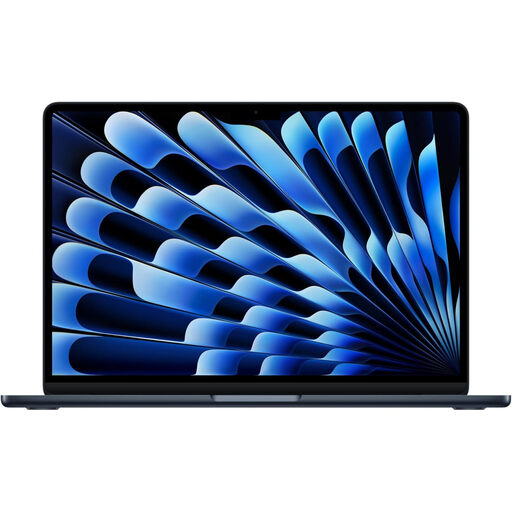
Apple MacBook Air 13-inch (2026) M5, 10-core CPU, 8-core GPU, 16GB, 512GB SSD, Midnight
This 13-inch macOS variant is worth considering when your review workflow works on macOS and a compact laptop suits the desk.
It has 16GB memory and a 512GB SSD, distinguishing it from the 1TB variant above. Apple lists two Thunderbolt 4/USB-C ports for the M5 model, so check connections for your monitor and wired accessories.
View on Joybuy
 No image available
HP OmniBook Ultra Flip 14-fh0006na 2-in-1, 16GB, 1TB SSD, Windows 11 Home
Consider the 2-in-1 format if you want a different way to work with a review document and can accommodate this model on your desk.
The named configuration has 16GB memory, a 1TB SSD and Windows 11 Home. Confirm the exact hardware configuration and chassis dimensions before ordering.
View on Joybuy
 No image available
Acer Chromebook Plus 514 CB514-5H, Core 5 120U, 8GB, 512GB SSD, Iron
This Chromebook is an option for a review workflow whose required writing and publisher tools work on ChromeOS; check those tools before choosing it instead of a macOS or Windows laptop.
Its named configuration has a 14-inch 1920 × 1200 display, 8GB memory and a 512GB SSD. The memory is below the 16GB configuration preference discussed above.
View on Joybuy
Frequently asked questions
Is a 13-inch laptop too small for editing a book review?
Not necessarily: a 13-inch laptop can leave useful desk space if its document view works for you. Microsoft describes the Surface Laptop 13-inch’s 3:2 screen as showing more document content without scrolling, while Apple lists a 13.6-inch display for the 13-inch MacBook Air M5. If you routinely need a manuscript and several sources visible together, compare a 14-inch model or check external-monitor support.
Can I use a Windows on Arm laptop for Word and web research?
Yes, provided your complete workflow and connected devices are compatible. Microsoft says most Windows apps run on Windows 11 Arm-based PCs, though native Arm apps offer the strongest performance and driver-dependent peripherals need compatible drivers. Check any specialist editing or citation software separately.
Will I need a dock for a compact laptop?
You need a dock only if the laptop’s connections cannot accommodate the devices you use together. Apple lists two Thunderbolt 4/USB-C ports on the 13-inch MacBook Air M5, while Microsoft lists two USB-C ports and USB-A on the Surface Laptop 13-inch. Count your monitor and wired accessories, then check the exact laptop’s ports and display-output support.
What can I do with an old laptop in the UK?
Ask the retailer about its electrical-equipment take-back arrangements or check local recycling options. GOV.UK guidance says retailers providing in-store take-back must offer that service free, allow customers at least 28 days to bring back an item and accept types of electrical equipment they sell; check the retailer’s applicable route before travelling.


