For extended book-review writing at a standing desk, choose a laptop that fits the whole workstation rather than judging its built-in keyboard alone. The Health and Safety Executive advises using a separate keyboard and mouse when the laptop screen is raised. If you also write away from the desk, weigh screen size against portability, then check the connections and software compatibility your setup requires.
Who this is for
Long-session standing-desk writers
If you draft and research for extended periods at an adjustable desk, plan for a raised screen and separate input devices rather than typing on a raised laptop keyboard. This follows Health and Safety Executive laptop-positioning advice.
Writers who work in several places
If the laptop travels between your standing desk and other writing locations, consider the screen space you need alongside its size and the charging arrangement you will carry.
Reviewers with specific software needs
If your work depends on a citation manager, accessibility app, institutional tool or peripheral, check that it works with your chosen operating system. Microsoft advises checking application compatibility in particular when considering Windows on Arm.
What matters when choosing
Decide whether you will mostly write at a fully equipped desk or carry the laptop elsewhere; then check that the screen arrangement and your writing tools work with that choice.
| Concern | What to check | Who this matters to |
|---|
| Screen and input position |
Check that your riser, separate keyboard and mouse fit the desk; confirm the connections needed for any monitor or dock. |
When I raise the screen for a long writing session, I need to keep the keyboard and mouse at a comfortable working height. Around 50% of consumers put workstation fit first. |
| Portability and screen space |
Compare the exact laptop’s size and weight with the built-in screen space you need for a draft and source material. |
If I write both at the desk and elsewhere, I need a laptop I can move without giving up the document view I use. Portability is the primary concern for around 30% of consumers. |
| Workflow compatibility |
Check your writing and citation apps, accessibility tools and peripherals against the exact operating system and model. |
When my review depends on particular software or devices, I need those tools to work before screen size becomes the deciding factor. Around 20% of consumers place compatibility first. |
Buying pitfalls
-
Raising the laptop but still using its keyboard
Lifting the screen also lifts the built-in keyboard. For prolonged laptop use, the Health and Safety Executive advises a separate keyboard and mouse so the screen can sit on a riser or similar support.
Plan where the laptop, keyboard and mouse will sit before choosing a riser, and check the desk space and connections the arrangement needs.
-
Assuming all Windows software behaves the same on Arm
Microsoft says most Windows apps run on Windows 11 Arm-based PCs, but native Arm apps offer the strongest platform fit. A specialist app or peripheral still calls for an exact compatibility check.
Ask the relevant vendors about your writing and citation tools, accessibility software and connected devices before choosing a Snapdragon-based laptop.
-
Choosing by screen size alone
A larger built-in display does not resolve the separate question of where the screen and input devices will sit at a standing desk.
Decide whether you will mainly use the built-in display or a separate monitor, then check the exact laptop’s display-output and charging connections.
A monitor-based arrangement may also require a compatible dock, cable or power adapter.
Relevant brands to consider
Apple
MacBook Air is a compact macOS route if your writing, research and citation tools work on that platform. Apple lists 13-inch and 15-inch variants.
- Apple lists two Thunderbolt 4 ports and external-display support for the current MacBook Air line, relevant to a desk with a separate display.
- Check the exact configuration and confirm that any institutional software, plug-ins and peripherals work on macOS.
Lenovo
The ThinkPad X1 Carbon Gen 13 Aura Edition is a 14-inch Windows business-laptop route for writing at a desk and elsewhere.
- A Lenovo UK configuration lists Windows 11 Pro, USB-C charging and a UK keyboard.
- Display, memory and support options vary by configuration; check the build you intend to buy rather than relying on the product-family name.
ASUS
The Zenbook A14 UX3407 is a 14-inch Windows-on-Arm option to consider if your required applications and peripherals are compatible.
- ASUS lists 16:10 OLED configurations and USB4 connections with display and power-delivery support for this line.
- Check the exact configuration and the support status of specialist apps and devices. Microsoft says most Windows apps run on Arm PCs, while native Arm apps perform best.
Joybuy laptops for this setup
These laptops offer different built-in screen sizes and operating-system routes for writing a book review. Choose the desk arrangement and required software first, then check each model against them.
 No image available
ASUS Vivobook 14 X1407QA-LY003W, Snapdragon X, 16GB/512GB, Quiet Blue
Consider this 14-inch laptop if you want to move between writing locations and your required apps and peripherals work with its Snapdragon X platform.
The product name specifies 16GB RAM and a 512GB SSD. Check the exact monitor and dock connections you need before buying.
View on Joybuy
 No image available
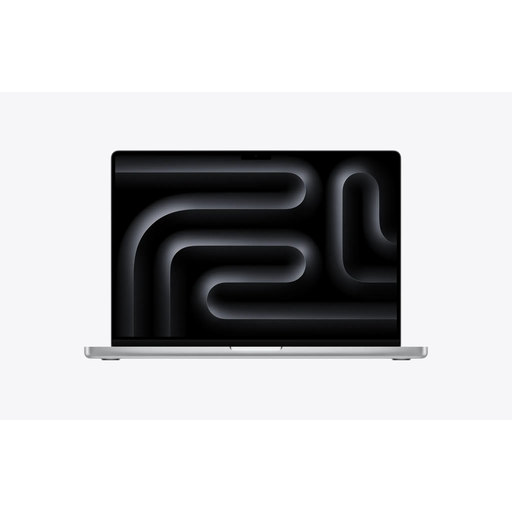
Apple MacBook Pro 16.2-inch M5 Max, 36GB/2TB, Silver
Consider the larger built-in screen if you expect to work mainly at the desk; check its size and weight if you will carry it regularly.
This variant’s name specifies an M5 Max with an 18-core CPU and 32-core GPU, 36GB memory and 2TB storage. Confirm that your writing tools and peripherals work with macOS.
View on Joybuy
 No image available
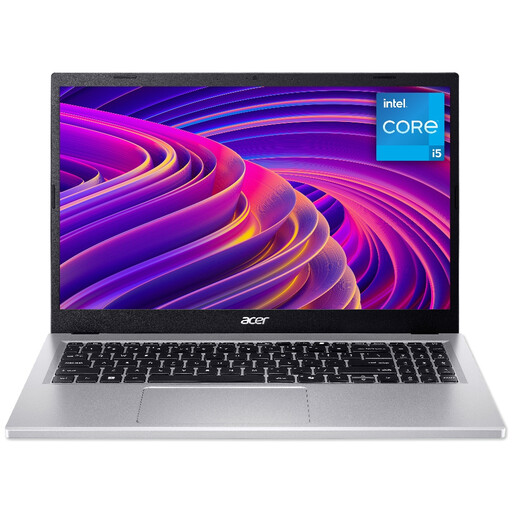
Acer Aspire Go AG15-71P, 15.6-inch, Core i5-13420H, 8GB/512GB, Silver
Its 15.6-inch built-in display is an option if you want more screen area while drafting than a smaller laptop provides; decide separately how you will position it at the standing desk.
The product name specifies a Full HD (1920 × 1080) display, 8GB RAM and a 512GB SSD. Check whether the memory and connections suit your intended workload and monitor arrangement.
View on Joybuy
 No image available
Lenovo IdeaPad 1 15-inch, Ryzen 3 7320U, 8GB/128GB, Cloud Grey
Consider this 15-inch laptop for a built-in writing screen, but establish whether your standing-desk setup needs a separate monitor before choosing it.
The product name specifies a Full HD display, 8GB RAM, a 128GB SSD and Windows 11 Home in S Mode. Check that your required apps work in S Mode and confirm display connectivity if you plan to use a monitor.
View on Joybuy
 No image available
HP OmniBook X Flip 16-as0004na, Core Ultra 5 226V, 16GB/512GB
This 16-inch two-in-one gives you a larger built-in touchscreen for desk-based drafting; check its weight if you will regularly move it.
The product name specifies 16GB RAM, a 512GB SSD and Windows 11 Home. Confirm the ports and dock compatibility for any external display you intend to use.
View on Joybuy
Frequently asked questions
Is a laptop alone suitable for long writing sessions at a standing desk?
A laptop alone is not the arrangement the Health and Safety Executive advises when you raise its screen for prolonged use. Use a separate keyboard and mouse so you can position the screen on a riser without also raising the typing surface.
Should I choose a 13-inch, 14-inch or larger laptop for a book review?
A 13- or 14-inch model is worth considering if you often move between writing locations; a larger built-in display may matter more if you work mainly at the desk. If you regularly view a source and draft together, decide whether the laptop screen gives you enough room or whether you will use a separate monitor. Either choice still needs appropriate screen and keyboard positioning.
Can a Windows-on-Arm laptop handle writing and research?
Microsoft says most Windows apps can run on Windows 11 Arm-based PCs, including native Microsoft 365 apps. Before choosing one, confirm support for the exact citation manager, accessibility tools, printer utilities and other specialist software your review workflow requires.


