Who this is for

Browser-extension beginners

Students writing and loading extensions locally while keeping an editor, browser and documentation open. Chrome for Developers describes extensions built with HTML, CSS and JavaScript; that starting workflow does not call for a gaming graphics card.

Students using Windows course tools

Students whose coursework, collaborators or peripherals make Windows a practical choice. Visual Studio Code supports Windows and macOS, so check the operating-system requirements of any other software your course requires before choosing.

Students expecting larger projects

Students beginning with an extension but planning to add browser profiles, repositories or local containers. Visual Studio Code’s Dev Containers workflow runs a server in the container as well as the desktop client, making future memory and storage needs worth considering.

What matters when choosing

Compact macOS laptop

Choose when: Your course tools work on macOS and you want a compact machine for coding and coursework.

Trade-off: Apple’s MacBook Air M5 has two Thunderbolt 4 ports, and its memory and storage are chosen at purchase; existing USB-A, HDMI or Ethernet accessories may need an adapter.

Windows laptop with mixed ports

Choose when: Your tools favour Windows and you want to connect existing USB-A or HDMI equipment directly. ASUS lists those connections for the Zenbook 14 UX3480.

Trade-off: The documented UX3480 configuration has onboard 16GB memory, so confirm that the exact variant will meet your longer-term needs.

Upgradeable Windows laptop

Choose when: You expect to expand local projects or tools and want the option to revisit memory and storage later.

Trade-off: Lenovo describes upgradeable memory and storage for the ThinkPad E14 Gen 6 product line; check the slots, fitted components and terms for the exact configuration you buy.

ConcernWhat to checkWho this matters to
Everyday coding and testing Check that your course software, preferred browser and editor run on the installed operating system. Consider the keyboard and display you will use for sustained work. If I am building an extension alongside coursework, I want to move between code, browser tests and documentation without struggling to work. Around 40% of consumers put everyday coding and testing first.
Room for projects to grow Compare the exact memory and storage configuration with your plans for local tools and files; check whether either can be expanded. When I expect to add containers, browser profiles or larger projects, I care about capacity beyond the work I do today. Roughly 30% of consumers make growth headroom their primary concern.
Portability and desk setup Check the size and weight, native ports and whether a proposed hub supports your display and charging arrangement. I need a laptop that fits my desk and can travel to classes, without making my monitor or accessories awkward to connect. Around 20% of consumers prioritise portability and desk fit.
Publishing and purchase decisions If you plan to publish, check Chrome Web Store registration requirements. Before ordering, confirm the configuration and how you would handle a return. I want to avoid choosing a machine that clashes with my plans or overlooking the separate steps needed to publish. Approximately 10% of consumers put publishing and purchase considerations first.

Buying pitfalls

  • Treating the editor’s requirements as a complete laptop specification

    Visual Studio Code publishes a modest base hardware recommendation, but extension work can also involve browser tabs, developer tools and coursework. Its editor requirements do not establish what will feel comfortable with those tasks open together.

    Choose memory and storage for your whole workflow, particularly if you expect to add local development tools.

  • Assuming a thin laptop has expandable memory

    ASUS specifies onboard memory for the Zenbook 14 UX3480, while Lenovo describes upgradeable memory and storage for the ThinkPad E14 Gen 6 product line. Neither statement settles the configuration of a different model.

    Check the precise model number, fitted components, available slots and applicable terms before relying on a later upgrade.

  • Planning the desk around ports the laptop does not have

    Apple lists two Thunderbolt 4 ports on the MacBook Air M5, whereas the cited ASUS Zenbook 14 UX3480 specification includes USB-A and HDMI as well as USB-C connections. Your existing monitor and peripherals determine whether an adapter is needed.

    List what you will connect at the same time, then check the laptop and any proposed hub for matching display, data and charging support.

  • Confusing local testing with publication

    Chrome for Developers says you can load an unpacked extension for your own use. Publishing through the Chrome Web Store is a separate process requiring developer registration.

    Test locally with code you trust, and check the current Web Store requirements before making publication part of your project plan.

Brands to consider for these laptop routes

Apple

The MacBook Air M5 is a macOS option for a compact coding setup, provided your required tools run on macOS.

  • Apple’s UK specifications list a 16GB unified-memory and 512GB SSD configuration with two Thunderbolt 4 ports.
  • Choose memory and storage at purchase, and check whether your desk accessories need adapters.

ASUS

The Zenbook 14 UX3480 is a Windows route for students who want several types of native desk connection.

  • ASUS UK lists a configuration with 16GB memory, a 512GB SSD, Thunderbolt 4, USB-A and HDMI.
  • The specified memory is onboard; confirm the exact retailer variant rather than applying these details to other Zenbook models.

Lenovo

The ThinkPad E14 Gen 6 product line is worth examining if future memory or storage expansion matters to your plans.

  • Lenovo describes the product line as having upgradeable memory and storage.
  • Check the fitted components and available upgrade options for the exact model; the product-line description does not establish every retail configuration.

Joybuy product choices

These laptops offer macOS and Windows options for browser-extension work, ranging from compact machines to larger or dual-screen setups. Compare each exact model’s configuration with your course software, desk connections and plans for future projects.

ASUS Zenbook DUO UX8406CA-QL135W dual-screen laptop

ASUS Zenbook DUO UX8406CA-QL135W 14-inch Dual OLED, Core Ultra 7 255H, 16GB, 1TB

Consider the dual-screen layout if you want separate workspaces for coding and reference material at your desk.

The product name specifies an Intel Core Ultra 7 255H, 16GB LPDDR5X memory and a 1TB SSD. Confirm the exact screen resolution before choosing this variant.

View on Joybuy

Lenovo IdeaPad Slim 3 83K7009MUK laptop

Lenovo IdeaPad Slim 3 83K7009MUK 15.3-inch, Ryzen 5 7535HS, 24GB, 512GB

This Windows configuration is an option if you expect to keep an editor, browser and study materials open together.

The product name specifies 24GB DDR5 memory, a 512GB PCIe SSD, a 15.3-inch WUXGA display and Windows 11 Home. Check its ports and memory-upgrade options if either will affect your setup.

View on Joybuy
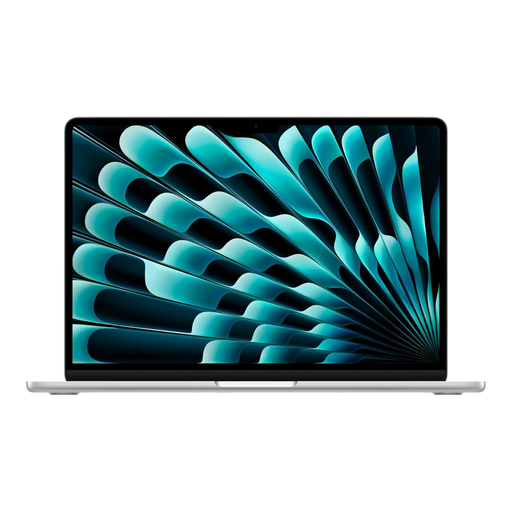
Silver Apple 13-inch MacBook Air with M5 chip

Apple 13-inch MacBook Air M5 (2026), 10-core CPU, 8-core GPU, 16GB, 512GB, Silver

Choose this compact macOS option if your course tools are compatible and you are comfortable connecting desk accessories through Thunderbolt ports or adapters.

The product name specifies 16GB memory and a 512GB SSD. Apple lists two Thunderbolt 4 ports for the MacBook Air M5; decide on memory and storage at purchase.

View on Joybuy

HP OmniBook Ultra Flip 14-fh0006na two-in-one laptop

HP OmniBook Ultra Flip 14-fh0006na 2-in-1, 16GB, 1TB

The two-in-one format is worth considering if you want a Windows laptop that can change how its screen is positioned during study.

The product name specifies 16GB memory, a 1TB SSD and Windows 11 Home. Confirm the exact display configuration before ordering.

View on Joybuy

HP OmniBook X Flip 16-as0004na 16-inch laptop

HP OmniBook X Flip 16-as0004na 16-inch 2-in-1, Core Ultra 5 226V, 16GB, 512GB

Consider the larger touchscreen if your extension work and coursework will mainly share one desk.

The product name specifies an Intel Core Ultra 5 226V, 16GB memory, a 512GB SSD and Windows 11 Home. Check its weight and ports if you will carry it regularly or connect a monitor.

View on Joybuy

Frequently asked questions

Do I need a gaming laptop to build a browser extension?

A typical HTML, CSS and JavaScript extension does not, by itself, call for a gaming laptop. Chrome for Developers describes a web-technology workflow; choose additional capacity if your own coursework also involves demanding local tools or larger projects.

Can I test a Chrome extension without publishing it?

Yes. Chrome for Developers says you can load an unpacked extension for your own use, so local development is separate from Web Store publication. Load only code you trust.

What should I check before planning to publish?

Check the current Chrome Web Store developer registration and publication requirements. Chrome for Developers distinguishes that process from loading an unpacked extension locally.

Can I cancel an unsuitable laptop order placed online in the UK?

For an order from a trader, GOV.UK guidance says customers generally have 14 days after receiving an item to notify the seller that they want to cancel, subject to the applicable conditions. Check the steps for returning it; a fault or misdescription raises separate consumer-rights questions rather than simply being a change-of-mind return.

What should I check when the laptop arrives?

Check that the delivered model and configuration match your order, then try the keyboard, display, ports, browser, editor and your extension’s local-loading workflow promptly. This helps you identify a compatibility concern or a problem with the delivered machine while you can still act on it.